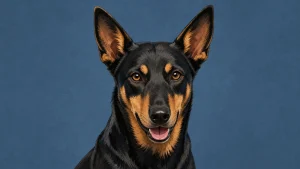
Azawakh Training Profile
Breed Group
Hound Dogs
Country of Origin
Mali
Breed Size
Large
AKC Recognition
Yes, recognized in 2019
FCI Recognition
Yes, recognized in 1954
Mental stimulation needs
Below Average4 / 10
Trainability
3 / 10
Picky eater
Picky Eater3 / 10
Easy to train
Independent4 / 10
Training stubbornness
Somewhat Stubborn4 / 10
Puppy training
Below Average4 / 10
Training FAQ
Are Azawakh easy to train?
Azawakhs are highly intelligent but possess an independent, sighthound nature that can make training a unique challenge. While they are capable of learning quickly, they are somewhat stubborn and may not blindly follow commands without proper motivation. Success requires a confident owner who uses gentle, consistent positive reinforcement and high-value rewards, as these sensitive dogs do not respond well to harsh methods or repetitive drills.
Easy to train: 4 / 10
Are Azawakh stubborn to train?
Azawakhs are highly intelligent and loyal, yet they possess a deeply independent and prideful nature that can manifest as stubbornness. They are independent thinkers who do not blindly follow commands and may prioritize their own judgment or environmental distractions over a handler's request. To succeed, owners must establish a partnership based on trust and consistency, using positive reinforcement and high-value rewards to motivate them while avoiding harsh methods.
Training stubbornness: 4 / 10
How do you train a Azawakh puppy?
Train your Azawakh puppy using gentle, consistent, and reward-based methods. These independent, sensitive sighthounds respond best to positive reinforcement. Prioritize early, extensive socialization to manage their natural aloofness toward strangers. Keep training sessions short and engaging to respect their intelligent but independent nature and high energy levels.
Puppy training: 4 / 10
How difficult is potty training in Azawakh?
Potty training an Azawakh can be demanding, often taking six months or more. Their independent nature and sensitive temperament require a patient, consistent approach. Success depends on a strict outdoor schedule, crate training, and gentle positive reinforcement to overcome their occasional aloofness and establish reliable household habits.
Potty training difficulty: 4 / 10
How many walks does a Azawakh need?
Azawakhs require significant daily exercise, typically needing 1 to 2 hours of activity. This should include opportunities for high-speed running in a securely fenced area, as well as long walks or jogs. Due to their high prey drive, they must remain on a leash in unfenced areas. Their thin coats and lack of body fat make them very sensitive to the cold, so they require sweaters or coats during winter walks.
Walking need: 7 / 10
What is the best daily routine for a Azawakh?
An Azawakh's daily routine should focus on intense physical activity and climate comfort. Provide at least 30 to 60 minutes of high-speed exercise, such as running, jogging, or lure coursing, supplemented by two 30-minute walks. Feed adult Azawakhs two to three high-protein meals daily, monitoring intake closely to prevent obesity. Essential daily care includes short, gentle training sessions using positive reinforcement and providing warm sweaters or blankets during cooler hours due to their extreme sensitivity to cold.
Routine need: 8 / 10
Vet Insights
Azawakhs are intelligent but independent sighthounds that require patient, reward-based training and extensive early socialization. They possess high energy levels, needing at least 30 to 60 minutes of high-speed exercise daily. Potty training can be demanding, often taking over six months. Their thin coats make them sensitive to cold, requiring protective clothing during winter.