Bolognese Training Profile
The Bolognese is a low-energy toy breed that is highly adaptable and thrives on a relaxed lifestyle. While they have moderate training needs, their intelligent yet calm nature makes them agreeable companions. Focus on short, leisurely walks and gentle play to meet their activity requirements while maintaining a consistent routine for the best results.
TRAINABILITY
Average
5 out of 10
MENTAL STIMULATION NEEDS
Average Needs
5 out of 10
LOVE FOR GRUB
Moderate
5 out of 10
TRAINING FAQ
Are Bolognese easy to train?
Average
5 out of 10
Bolognese are generally easy to train thanks to their high intelligence and strong desire for human affection. They are quick learners that respond exceptionally well to positive reinforcement and gentle guidance. To keep these clever companions engaged, it is best to provide variety in their training sessions to prevent boredom with repetitive drills.
Are Bolognese stubborn?
Sometimes Stubborn
5 out of 10
Bolognese are highly intelligent and eager to please, making them generally easy to train and less stubborn than other toy breeds. However, they are sensitive souls and can occasionally show a small stubborn streak if they find training repetitive or if harsh methods are used. To succeed, owners should use consistent positive reinforcement, high-value rewards, and short, engaging sessions to maintain their interest and prevent them from becoming bored or anxious.
How to train a Bolognese puppy?
Moderate
5 out of 10
Training a Bolognese puppy requires patience and consistency, focusing on positive reinforcement and socialization. While they are intelligent and eager to please, they can be sensitive, so sessions should be kept short, fun, and gentle. Early exposure to various people, sounds, and environments is crucial to prevent them from becoming overly shy or anxious.
How difficult is to potty train a Bolognese puppy?
Average
6 out of 10
Potty training a Bolognese can be slow, time-consuming, and frustrating, as they are prone to being easily distracted or stubborn. Success requires consistent crate training, a strict schedule for outdoor breaks or potty pads, and positive reinforcement starting from a young age. Using a bell-ringing system or specialized indoor training devices can also help manage their needs and overcome their independent streak.
How many walks does a Bolognese need?
Extreme Needs
10 out of 10
Bolognese dogs are a low-energy toy breed that typically requires around 30 minutes of daily exercise. This is best achieved through one or two short, leisurely walks combined with gentle indoor play. They are highly adaptable companions that prefer a relaxed pace over vigorous activity.
What is the best daily routine for a Bolognese?
Very Low
3 out of 10
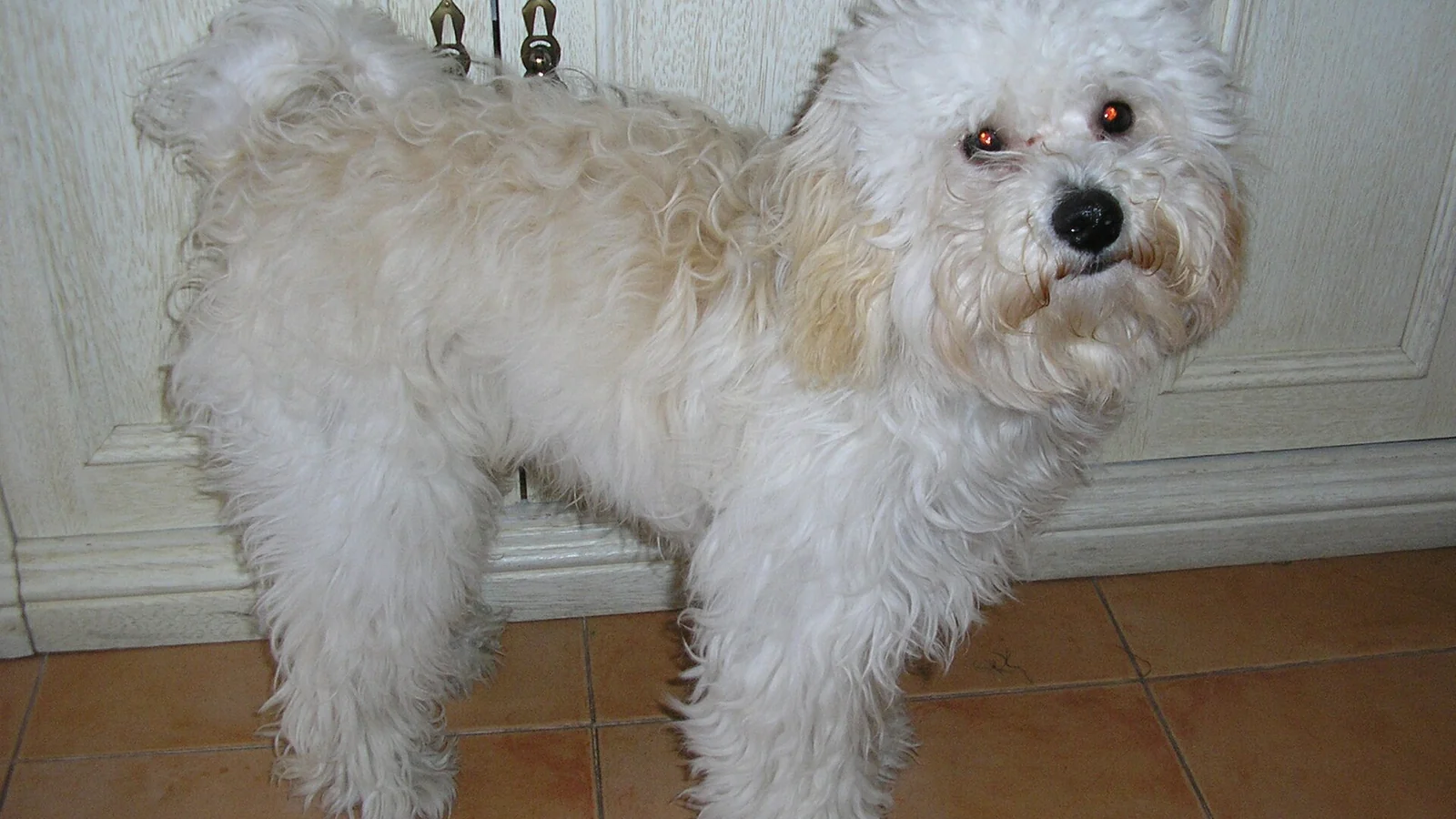
A Bolognese’s daily routine should center on companionship and gentle activity. Provide around 30 minutes of low-impact exercise through one or two short, leisurely walks and indoor play. Feed high-quality protein twice daily and maintain their luxurious white coat with daily brushing to prevent mats. Essential care includes cleaning around the eyes twice a day with a damp cloth to manage tear staining and keeping their minds engaged with short, positive reinforcement training sessions and puzzle toys. Because they are sensitive “velcro dogs” prone to separation anxiety, ensure they spend most of their day in the company of their family.


VET INSIGHTS
Bolognese are intelligent, sensitive companions with average training needs and a strong desire for affection. While eager to please, they can be occasionally stubborn, particularly during slow potty training. They require about 30 minutes of low-impact exercise and daily brushing of their white coats. These velcro dogs thrive on constant company and respond best to gentle, variety-filled positive reinforcement.

Reviewed by
Dr. Vojtech Gabriel
DVM · PhD · MBA
Veterinarian
Researcher
Dog breed specialist
✓
Verified