Skip to content

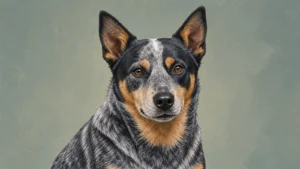
Australian Stumpy Tail Cattle Dog Training Profile

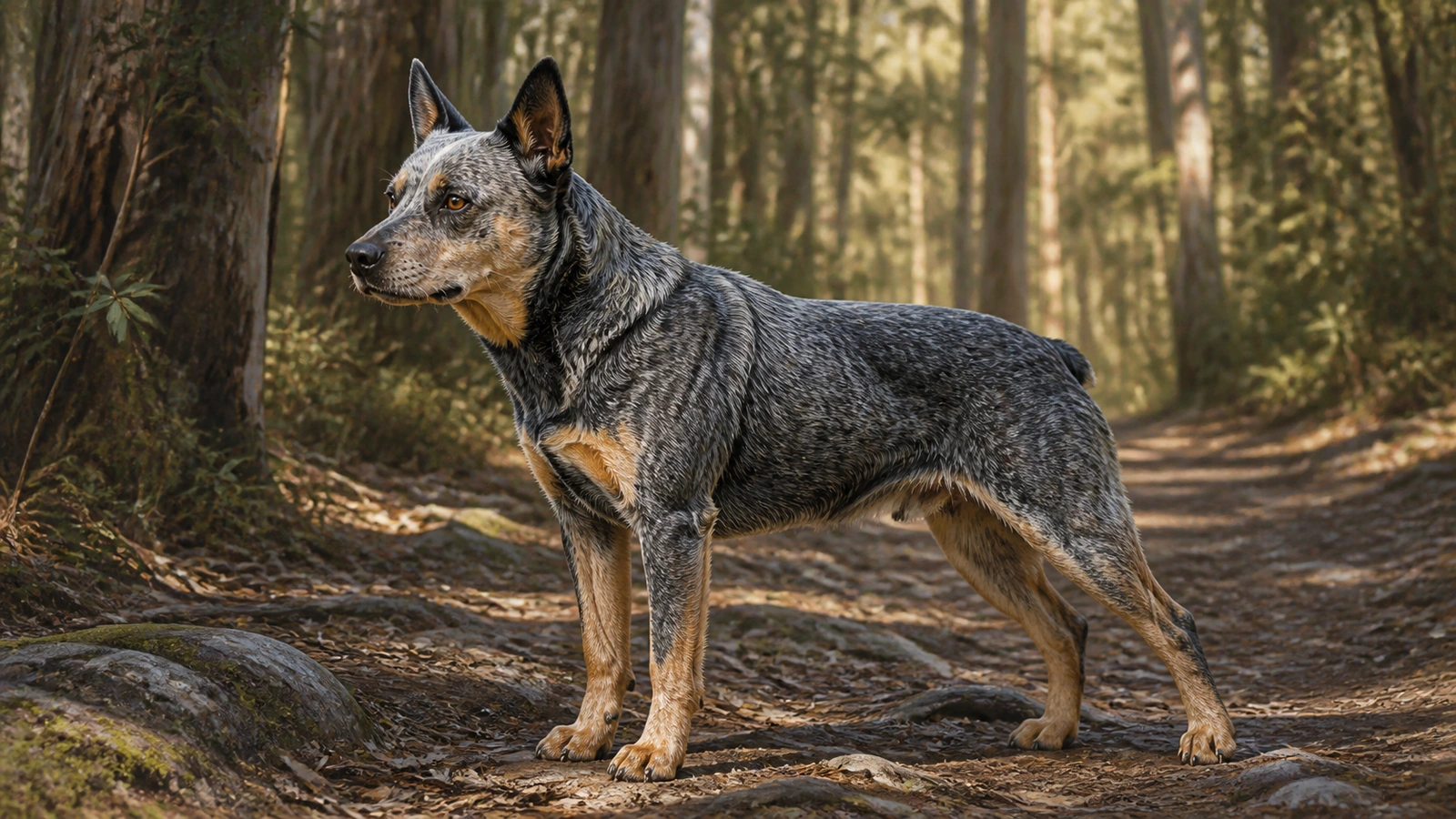
The Australian Stumpy Tail Cattle Dog is a highly intelligent, independent working breed that thrives on consistent, reward-based training. They require significant mental and physical stimulation to prevent destructive behaviors. While eager to learn, their independent nature demands clear leadership and early socialization to manage their protective instincts and inherent herding drives.

TRAINABILITY

Average

5 out of 10

MENTAL STIMULATION NEEDS

Moderate Needs

6 out of 10

LOVE FOR GRUB

Picky Eater

3 out of 10

TRAINING FAQ

Are Australian Stumpy Tail Cattle Dogs easy to train?

Independent

4 out of 10

Australian Stumpy Tail Cattle Dogs are intelligent and focused, making them quick learners when provided with structure and consistency. However, their independent nature and high energy mean they are best suited for confident owners who can provide firm leadership and plenty of mental stimulation. Using positive reinforcement, such as treats and praise, is most effective to manage their potential stubbornness and prevent them from testing boundaries.

Sometimes Stubborn

5 out of 10

Australian Stumpy Tail Cattle Dogs are highly intelligent and independent thinkers, which can often be mistaken for stubbornness. They were bred to work autonomously and make their own decisions in harsh conditions, meaning they may ignore commands if they do not see a clear purpose or benefit. To succeed, owners must provide consistent, firm leadership and use positive reinforcement. Their sharp minds require constant mental challenge and varied activities, as they quickly become bored with repetitive drills and may choose to follow their own agenda instead.
Moderate

5 out of 10

Train your Australian Stumpy Tail Cattle Dog puppy using positive reinforcement and short, varied sessions to prevent boredom. Focus on early socialization and consistent routines to manage their independent nature and strong herding instincts, which may include nipping at heels. Provide ample mental stimulation through puzzle toys and structured jobs alongside 60 to 90 minutes of daily exercise to ensure a well-behaved and loyal companion.
Demanding

4 out of 10

Potty training an Australian Stumpy Tail Cattle Dog typically takes several months, requiring consistent effort and patience. These intelligent dogs benefit from a strict routine, frequent outdoor breaks, and positive reinforcement. Using a crate can help manage their independent nature and prevent accidents indoors effectively.

Above Average

7 out of 10

Australian Stumpy Tail Cattle Dogs are high-energy working dogs that require at least 60 to 90 minutes of vigorous daily activity. They thrive on a combination of two brisk walks and high-intensity games like fetch, hiking, or agility training. Consistent physical and mental stimulation is essential to channel their work ethic and prevent destructive behaviors stemming from boredom.

Moderate

6 out of 10

An Australian Stumpy Tail Cattle Dog’s daily routine should prioritize substantial physical activity and mental challenges to satisfy their working drive. Provide 60 to 120 minutes of vigorous exercise, such as running, hiking, or games of fetch and frisbee, split into morning and evening sessions. Incorporate 15 to 20 minutes of structured training or puzzle games daily to prevent boredom and destructive behaviors. Feed adults twice daily and ensure they have a secure space to roam, as they are not suited for sedentary or apartment living. Consistent socialization and the use of a crate can help manage their independent nature and teach them to settle indoors.

VET INSIGHTS

Australian Stumpy Tail Cattle Dogs are intelligent, independent working dogs requiring consistent reward-based training and clear leadership. They need 60 to 120 minutes of vigorous daily exercise and mental stimulation to prevent destructive behaviors. Potty training demands patience and routine. Their active nature makes them unsuitable for apartment living, thriving best with structured jobs and outdoor activities.

Photo
Reviewed by
Dr. Vojtech Gabriel
DVM · PhD · MBA
Veterinarian Researcher Dog breed specialist
Verified

Explore Other Breed TRAINING PROFILES