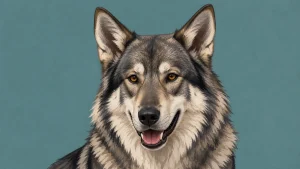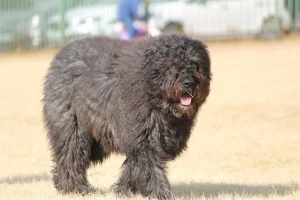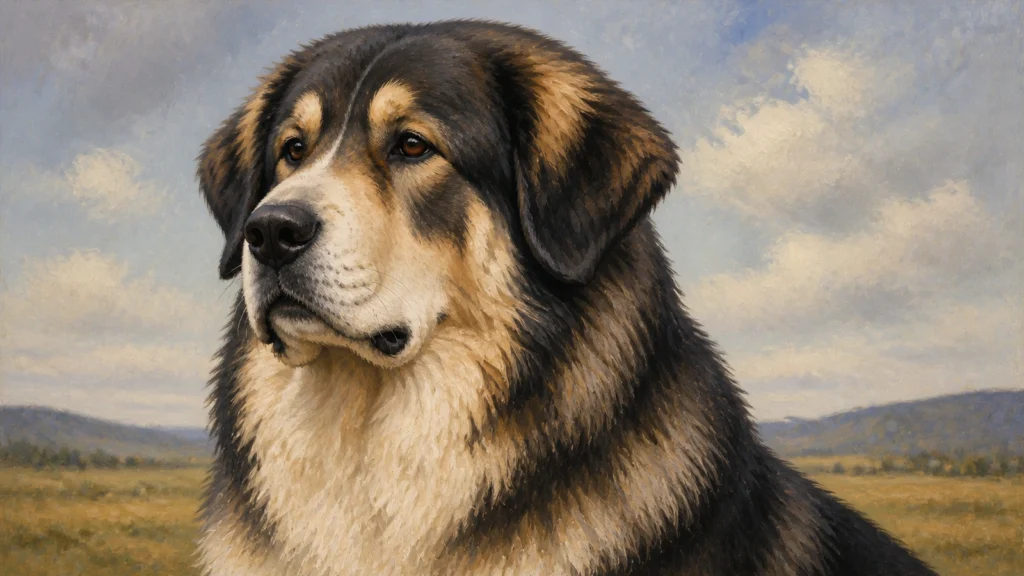
Buryat-Mongolian Wolfhound Training Profile
Breed Group
Rare Dogs
Country of Origin
Russia
Breed Size
Giant
AKC Recognition
No
FCI Recognition
Yes, recognized in 1954
Mental stimulation needs
Above Average7 / 10
Trainability
5 / 10
Picky eater
Good Eater7 / 10
Easy to train
Average5 / 10
Training stubbornness
Sometimes Stubborn5 / 10
Puppy training
Moderate5 / 10
Training FAQ
Are Buryat-Mongolian Wolfhound easy to train?
Buryat-Mongolian Wolfhounds are intelligent and loyal but possess a strong, independent nature typical of ancient guardian breeds. They require a confident owner who uses firm, consistent leadership and positive reinforcement. Early socialization and patience are key, as they are protective and often think for themselves.
Easy to train: 5 / 10
Are Buryat-Mongolian Wolfhound stubborn to train?
Buryat-Mongolian Wolfhounds can be moderately stubborn due to their independent nature as an ancient guardian breed. While loyal and intelligent, they are independent thinkers who may test boundaries or choose to ignore commands if they don't see a clear purpose. Success requires a confident owner who provides firm, consistent leadership and uses positive reinforcement to keep them engaged and cooperative.
Training stubbornness: 5 / 10
How do you train a Buryat-Mongolian Wolfhound puppy?
Buryat-Mongolian Wolfhounds are intelligent and loyal but possess a strong, independent nature typical of ancient guardian breeds. They require a confident owner who uses firm, consistent leadership and positive reinforcement. Early socialization and patience are key, as they are protective and often think for themselves.
Puppy training: 5 / 10
How difficult is potty training in Buryat-Mongolian Wolfhound?
Potty training a Buryat-Mongolian Wolfhound typically takes 4 to 6 months. While intelligent and loyal, their strong, independent nature as an ancient guardian breed requires a patient and consistent approach. Success relies on firm leadership and positive reinforcement to help this protective breed understand housebreaking expectations while managing their tendency to think for themselves.
Potty training difficulty: 5 / 10
How many walks does a Buryat-Mongolian Wolfhound need?
Buryat-Mongolian Wolfhounds have moderate exercise needs, typically requiring at least one to two brisk daily walks to maintain their physical health. As a large, steady guardian breed, they benefit from consistent movement and outdoor exploration to satisfy their stamina without needing the extreme activity levels of high-energy sporting dogs.
Walking need: 5 / 10
What is the best daily routine for a Buryat-Mongolian Wolfhound?
A Buryat-Mongolian Wolfhound's daily routine should focus on consistent movement and its role as a guardian. Provide at least one to two brisk daily walks, totaling 45 to 60 minutes, to satisfy their stamina and physical health. Feed adults twice daily and puppies three to four times, prioritizing a high-protein diet while monitoring portions to prevent obesity. Essential daily care includes short training sessions with firm, consistent leadership, regular socialization to manage their protective instincts, and weekly brushing of their thick coat. Ensure they have a quiet rest zone, as these large dogs need ample sleep when not on duty.
Routine need: 9 / 10
Vet Insights
Buryat-Mongolian Wolfhounds are intelligent, loyal guardians with an independent nature requiring firm, consistent leadership and positive reinforcement. They have moderate exercise needs, benefiting from daily walks and structured routines. While they are competent learners, their protective instincts and independent thinking make early socialization essential. Potty training requires patience, typically succeeding within four to six months of consistent effort.