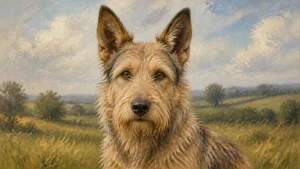
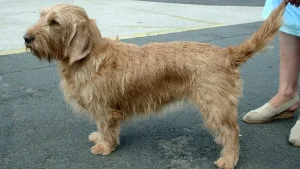
Griffon Fauve de Bretagne Training Profile
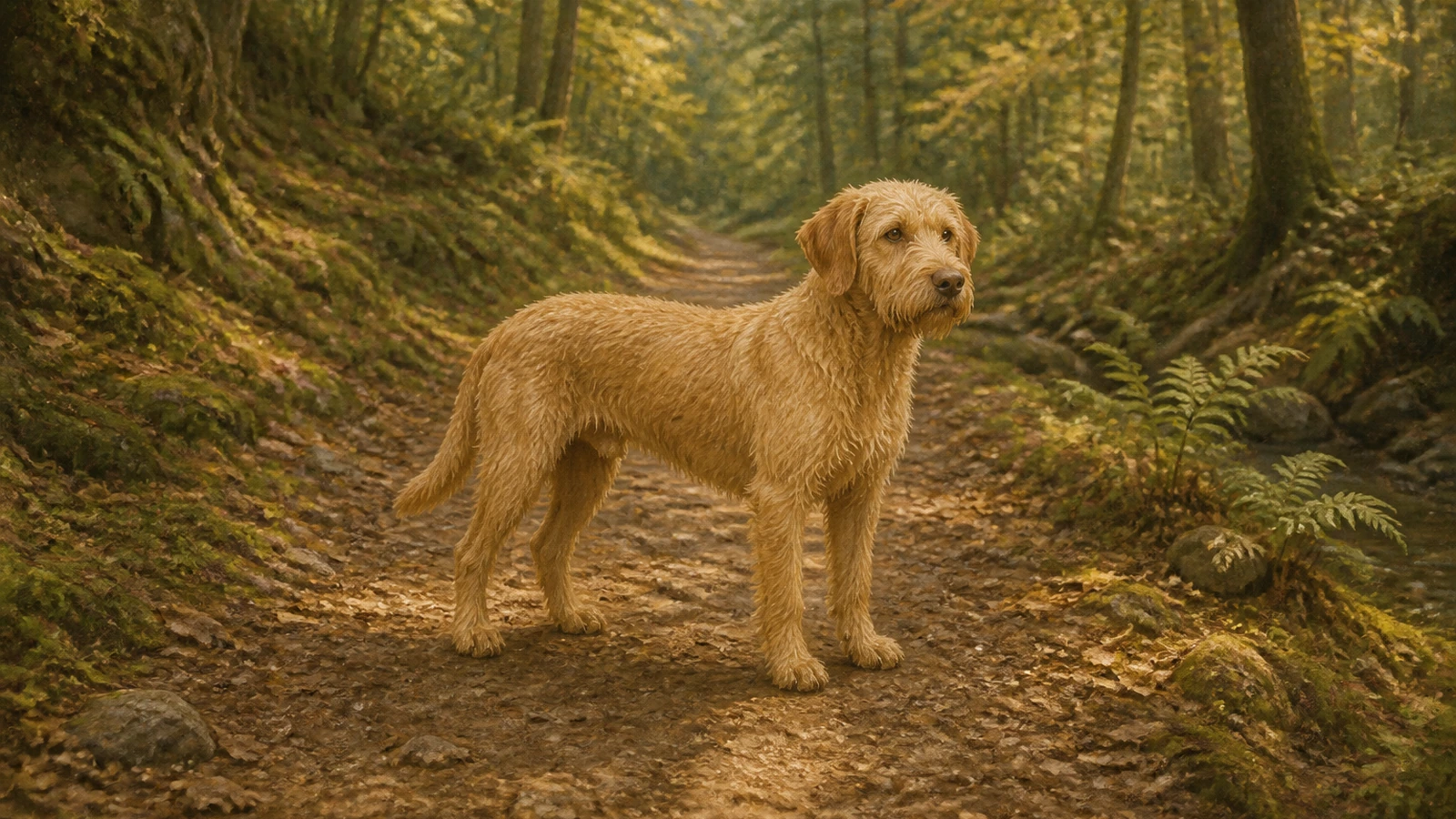
Griffon Fauve de Bretagnes are cooperative yet spirited scenthounds that respond well to positive, reward-based training. While intelligent and sociable, their independent hunting instincts and occasional stubbornness require patience and consistent leadership. Early socialization and short, engaging sessions are essential to managing their high energy and ensuring they develop into well-adjusted, motivated family companions.
TRAINABILITY
Cooperative
7 out of 10
MENTAL STIMULATION NEEDS
Average Needs
5 out of 10
LOVE FOR GRUB
Great Eater
8 out of 10
TRAINING FAQ
Are Griffon Fauve de Bretagnes easy to train?
Moderate
6 out of 10
Griffon Fauve de Bretagnes are generally cooperative and willing to please, making them moderately easy to train for owners who provide consistent leadership. While they possess an independent hunting spirit that can lead to distractions, they respond well to reward-based methods and positive reinforcement. Maintaining engaging, short sessions and focusing on early socialization helps channel their energy and intelligence effectively.
Are Griffon Fauve de Bretagnes stubborn?
Willing
7 out of 10
Griffon Fauve de Bretagnes are generally cooperative and enjoy training, but they possess a notable stubborn streak rooted in their independent hunting heritage. They are intelligent problem solvers who can be easily distracted by scents, sometimes choosing to ignore commands if they find a trail more interesting. To succeed, owners should use consistent, reward-based methods and start training early to manage their tenacious and spirited nature.
How to train a Griffon Fauve de Bretagne puppy?
Above Average
7 out of 10
Train your Griffon Fauve de Bretagne puppy using positive reinforcement and consistent, reward-based methods. Focus on early socialization to manage their hunting instincts and build confidence. Keep sessions short and engaging to match their cooperative but spirited nature, ensuring they develop into a well-adjusted, motivated companion.
How difficult is to potty train a Griffon Fauve de Bretagne puppy?
Average
6 out of 10
Potty training a Griffon Fauve de Bretagne typically takes 4 to 6 months. While generally cooperative, their spirited nature and hunting instincts require a consistent schedule and positive reinforcement. Establishing a firm routine early on, combined with frequent outdoor breaks, helps these motivated companions master housebreaking with average difficulty.
How many walks does a Griffon Fauve de Bretagne need?
Extreme Needs
10 out of 10
Griffon Fauve de Bretagnes are energetic hounds that require at least one hour of vigorous exercise daily, though they can happily handle up to two hours. They benefit from long, brisk walks or hikes that include plenty of sniffing opportunities to satisfy their strong scent-driven instincts. Because they have excellent stamina and a tendency to follow interesting trails, it is essential to keep them on a leash or within a secure, fenced area during outdoor activities.
What is the best daily routine for a Griffon Fauve de Bretagne?
Moderate High
7 out of 10
A Griffon Fauve de Bretagne’s daily routine should focus on high levels of physical activity and sensory engagement. Provide approximately two hours of exercise daily, including brisk walks and hiking in secure areas where they can explore scents. Feed adult dogs twice daily with high-quality, calorie-rich food to support their energy levels. Essential care includes weekly brushing of their wiry coat, regular ear checks to prevent infections, and short, engaging training sessions using positive reinforcement. Ensure they have a secure, fenced outdoor area for play and interactive toys to keep them occupied and prevent mischievous behavior.
VET INSIGHTS
Griffon Fauve de Bretagnes are spirited, cooperative scenthounds with strong hunting instincts. They require consistent, reward-based training and early socialization to manage their independent nature. These active dogs need approximately two hours of daily vigorous exercise, including sniffing opportunities. Their care routine involves weekly brushing, ear maintenance, and a predictable schedule to ensure a well-adjusted, motivated companion.

Reviewed by
Dr. Vojtech Gabriel

DVM · PhD · MBA
Veterinarian
Researcher
Dog breed specialist
✓
Verified