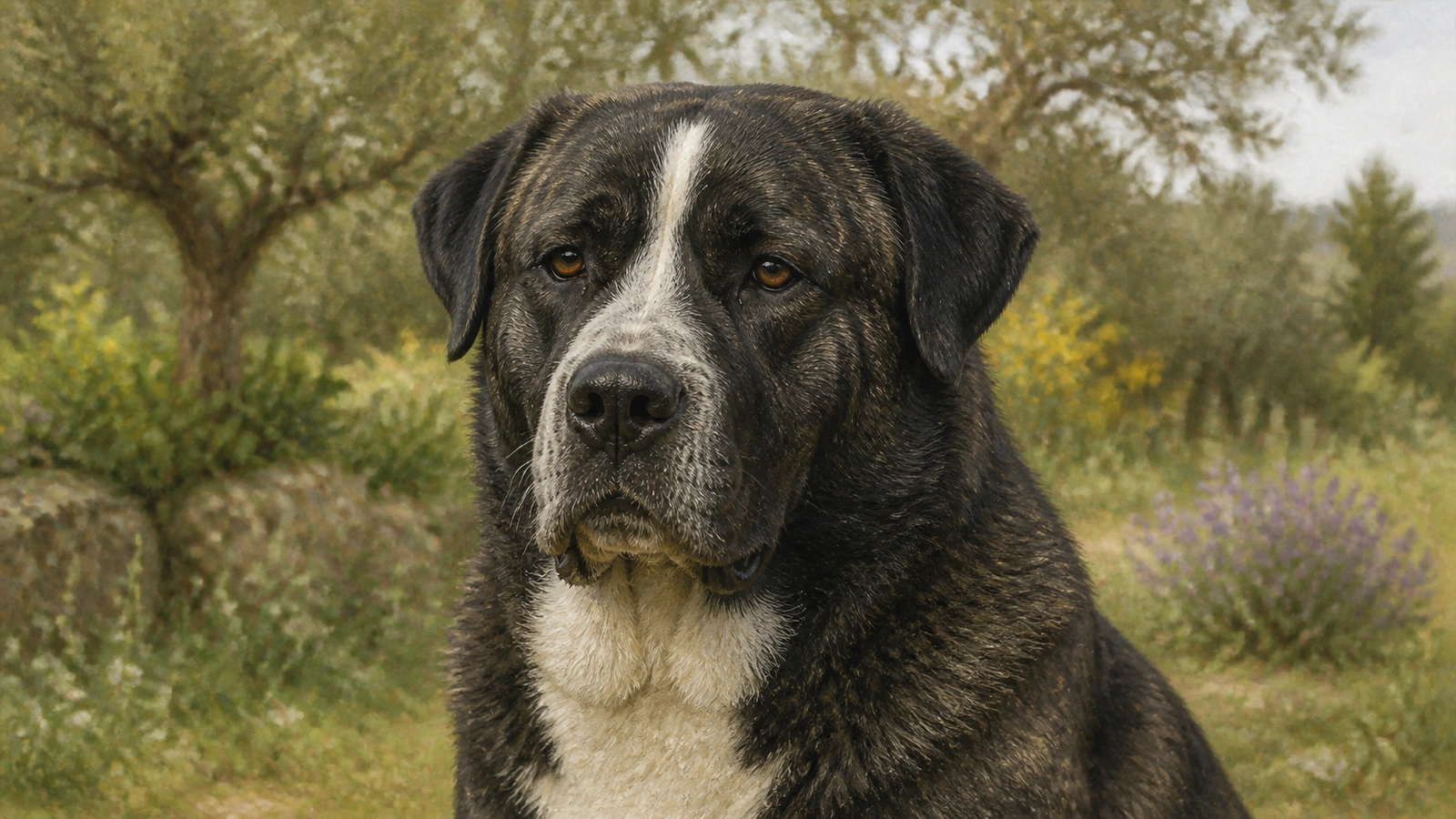
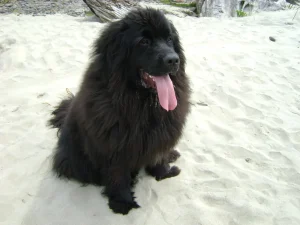
Rafeiro do Alentejo Grooming Profile
COAT TYPE
Double Coat
SHEDDING
Moderate
GROOMING SKILL
Minimal
TRAINING FAQ
Are Rafeiro do Alentejos hypoallergenic?
Fair
Rafeiro do Alentejo are considered to have moderate allergy-friendly tendencies. They possess a double coat coat that has moderate shedding. Their grooming needs are minimal.

Do Rafeiro do Alentejos shed a lot?
Moderate
Rafeiro do Alentejo have a double coat coat with moderate shedding. Overall, their shedding level is considered moderate. Regular grooming is recommended to manage loose hair.
How often should you groom your Rafeiro do Alentejo?
15 mins/week
To maintain the Rafeiro do Alentejo’s dense double coat, brush them at least once a week to remove loose hair and debris. While they are low-maintenance, they experience heavy seasonal shedding twice a year, requiring daily brushing. Regular nail trims and ear cleanings are also essential.
Are Rafeiro do Alentejos low maintenance dogs?
Moderate
Rafeiro do Alentejo are considered moderate to maintain. With minimal grooming needs and moderate shedding, prospective owners should be prepared for this level of commitment.
How big do Rafeiro do Alentejos get?
Giant
The Rafeiro do Alentejo is a giant breed. They typically weigh 151+ lbs and stand 28-29 in tall when fully grown.
When do Rafeiro do Alentejos usually stop growing?
4-5 years
Rafeiro do Alentejos typically reach their full adult size by 4-5 years. While they may stop growing taller, they can continue to fill out and gain muscle mass.
How much should a Rafeiro do Alentejo eat?
6+ cups
Adult Rafeiro do Alentejos typically require 1,200 to 1,400 calories daily, depending on their activity level and weight. To prevent bloat, a common risk for large breeds, divide this into two measured meals. Prioritize high-quality protein and joint-supporting nutrients to maintain their heavy frame and overall health.
How often should a Rafeiro do Alentejo eat?
2-3 meals/day
Rafeiro do Alentejo puppies require frequent, small meals to support their slow maturation and large-breed growth. Generally, feed them three to four times daily until six months of age. Transitioning to two meals daily thereafter helps maintain steady energy and prevents health risks like bloat.