Skip to content

Norwegian Elkhound - MAIN HUB

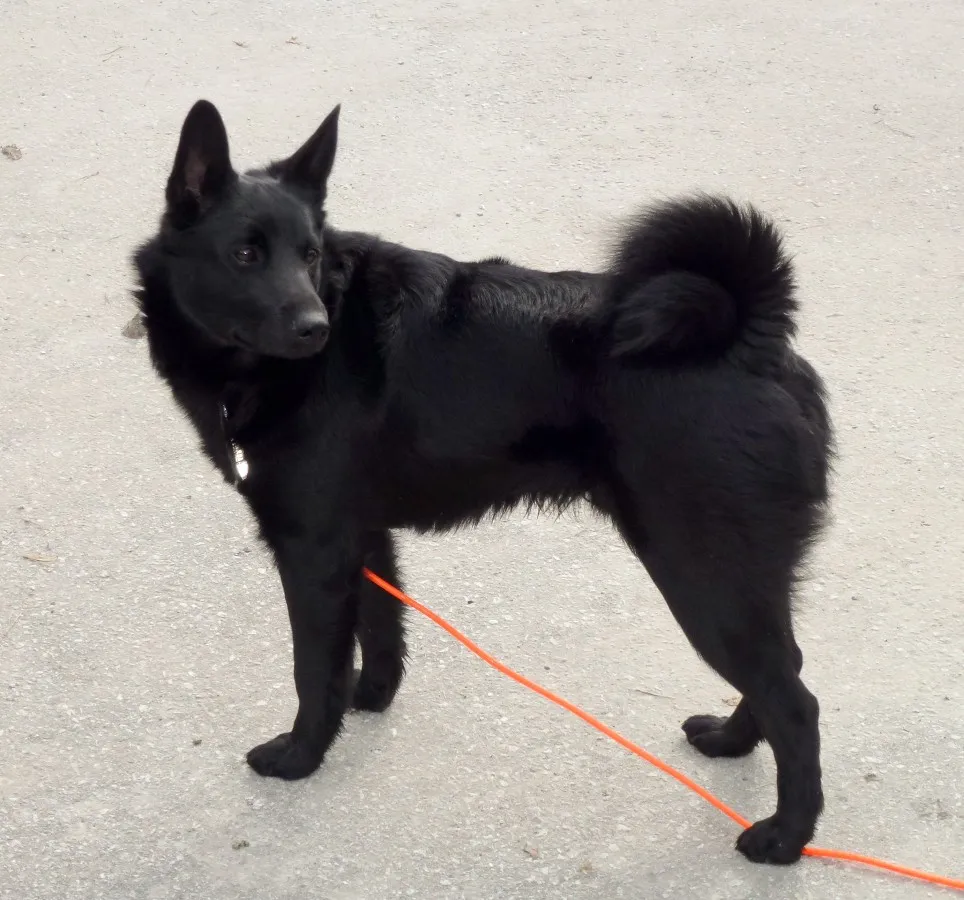
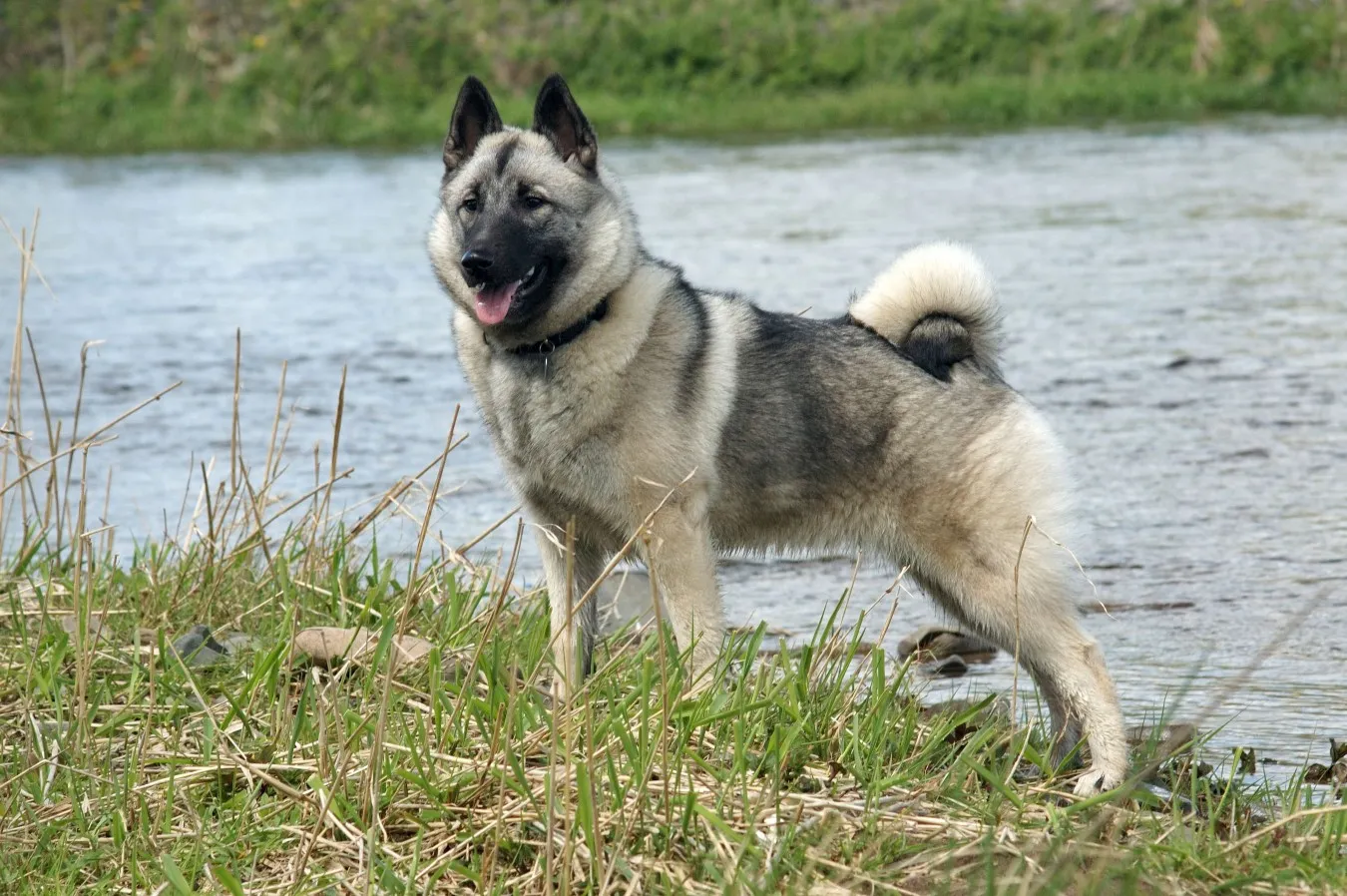
Embrace your inner Viking with a Norwegian Elkhound! This loyal, silver-gray companion is energetic, vocal, and ready for every outdoor adventure.

BREED GROUP

Spitz Dogs

Country of origin

Norway

BREED SIZE

Medium

BREED HEIGHT

18 -

21 IN

46 -

53 cm

BREED WEIGHT

48 -

55 LB

22 -

25 KG

WHAT YOU NEED TO KNOW

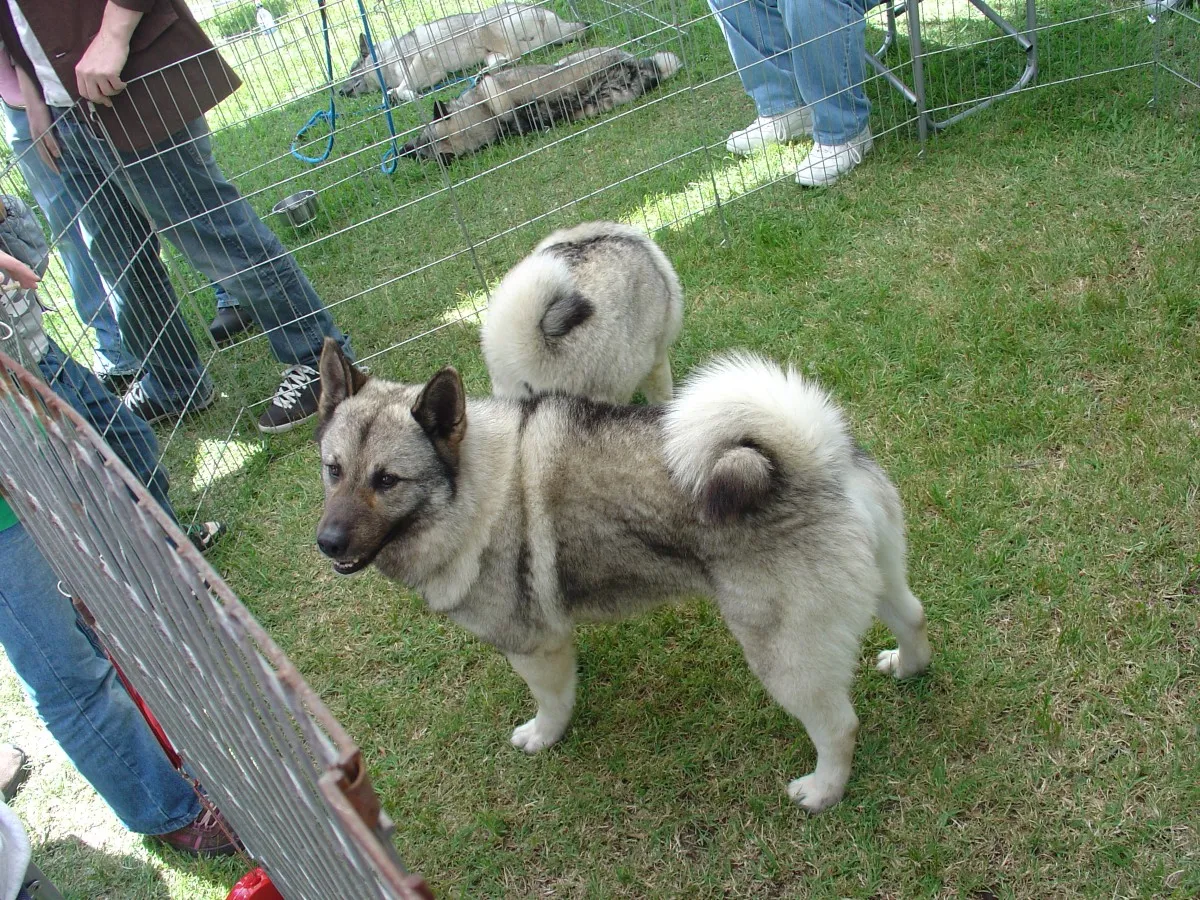
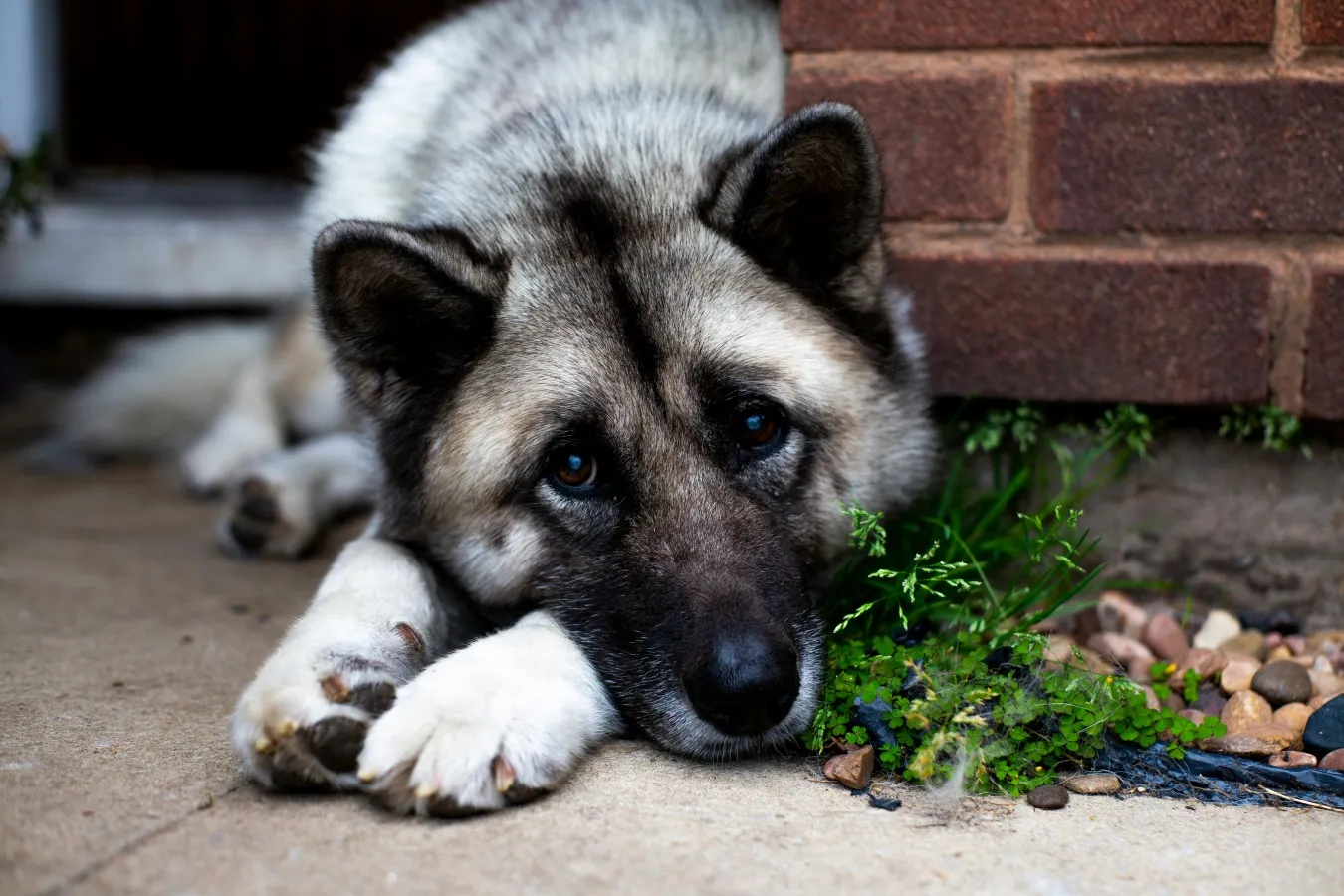
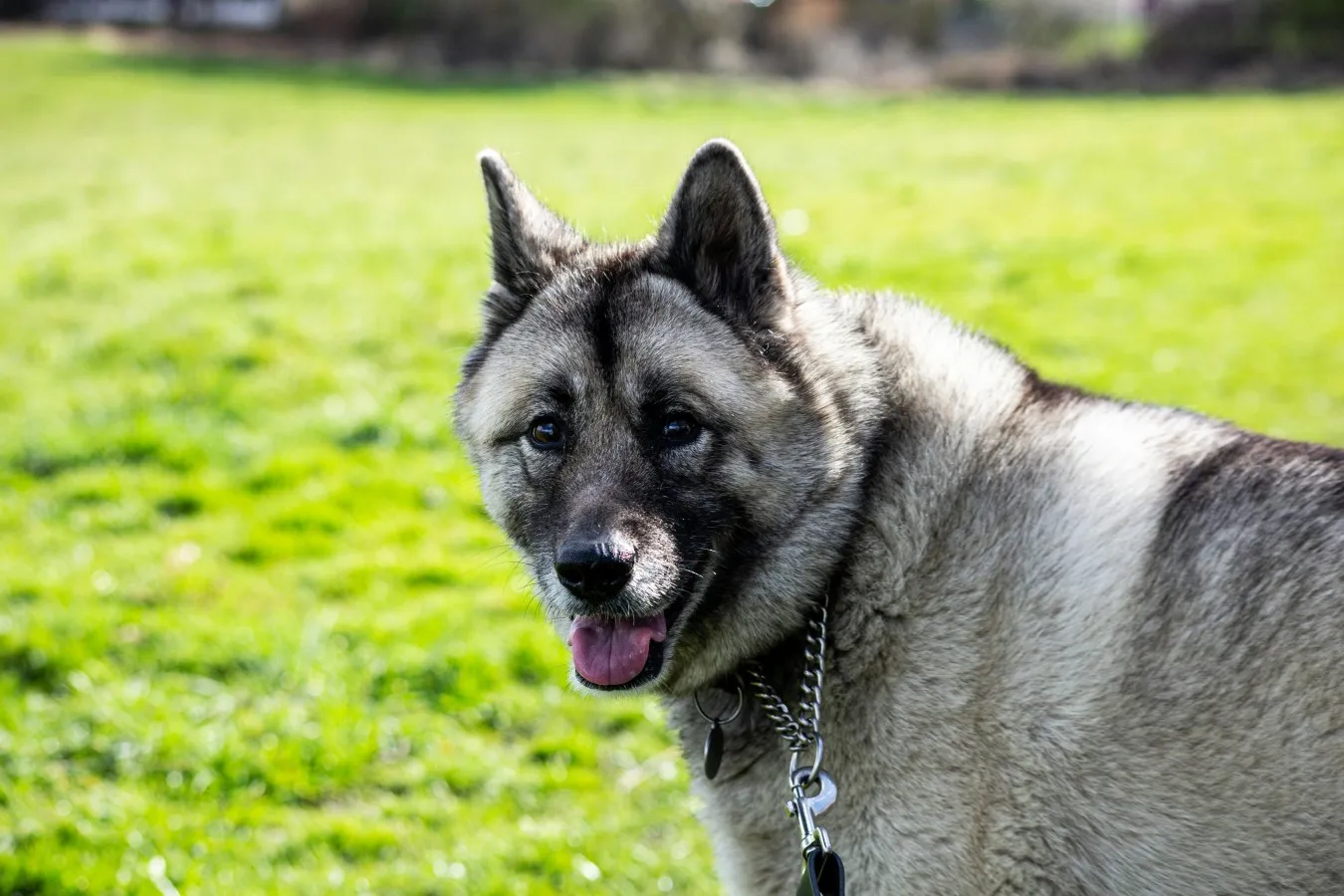
The Norwegian Elkhound is an ancient, hardy Spitz-type breed and the national dog of Norway. Prized by Vikings as versatile hunters, guardians, and companions, they are known for their striking silver-gray double coats and distinctive curled tails. Owners should expect an energetic, loyal, and independent dog that requires at least one hour of daily exercise and mental stimulation to prevent boredom. While friendly and good with children, they possess a strong prey drive and a natural tendency to bark, making them excellent but vocal watchdogs.
american kennel club (AKC) recognition

Yes

Breed was recognized in 1913.

International Canine Federation (FCI) recognition

Yes

Breed was recognized in 1963.
WHAT DO OWNERS WANT TO KNOW?

Are Norwegian Elkhounds good family dogs?

Good

7 out of 10

Norwegian Elkhounds make loyal and friendly family companions that are generally good with children, especially in active households. Their high energy levels require significant daily exercise and mental stimulation to prevent boredom and destructive behaviors. While they are devoted protectors, their strong prey drive and natural tendency to bark should be considered by potential owners.

Good

7 out of 10

Norwegian Elkhounds are generally excellent with children, known for their friendly, playful, and protective nature. They possess strong maternal instincts and are typically patient and tolerant playmates. Because they are energetic and athletic, their exuberant play may be too much for toddlers, so they are often better suited for active families with older children. Supervision is always recommended to ensure safe and respectful interactions.

Fair

7 out of 10

Norwegian Elkhounds are suitable for first-time owners who are prepared for a high-energy, independent breed that requires consistent training and significant daily exercise. While their loyalty and friendly nature make them rewarding companions, novices must be ready to manage their loud barking, strong prey drive, and stubborn streak. Success for a first-time owner depends on a commitment to early socialization and providing ample mental stimulation to prevent destructive behaviors.

Average

5 out of 10

Norwegian Elkhounds are not ideal for apartment living due to their boisterous nature and tendency to bark loudly and persistently. While they can adapt if their significant physical and mental exercise needs are met, their vocalization can be a major nuisance for neighbors. Potential owners in apartments must be prepared for intensive training to manage their barking and commit to at least 1.5 to 2 hours of daily vigorous activity outside the home.

Strictly Required

1 out of 10

Norwegian Elkhounds are high-energy dogs that thrive with a large, securely fenced yard where they can run and play safely. While they can adapt to apartment living if their significant physical and mental exercise needs are met, a yard is highly recommended to accommodate their athletic nature and tendency to roam. Access to an outdoor space helps prevent boredom and the destructive behaviors that can result from insufficient activity.

Poor

2 out of 10

Norwegian Elkhounds are highly social and loyal dogs that thrive on human companionship, making them prone to separation anxiety if left alone for long periods. While they possess an independent streak, prolonged isolation often leads to vocal barking and destructive behaviors. They are best suited for households where they can participate in daily activities and receive consistent mental and physical stimulation.

Good

6 out of 10

Norwegian Elkhounds generally coexist well with cats, especially when raised together from a young age or properly socialized. While their history as hunters of large game means they possess a strong prey drive and may chase unfamiliar or fast-moving cats, they are often gentle and protective of feline siblings they consider part of their pack. Introductions should be slow and supervised to manage their natural instincts and ensure a harmonious environment.

Calm

8 out of 10

Norwegian Elkhounds are not inherently aggressive but are highly alert and protective watchdogs. While they are deeply loyal to their families, they can be reserved or cautious around strangers until properly introduced. Early socialization and consistent training are essential to manage their independent nature and protective instincts, ensuring they remain dependable companions who alert rather than attack.

Energetic

7 out of 10

Norwegian Elkhounds are exceptionally high-energy dogs that require substantial daily exercise and mental stimulation to thrive. Originally bred as hardy hunters capable of tracking large game for days, they possess remarkable stamina and need at least 60 to 90 minutes of vigorous activity, such as hiking, running, or scent work. Without a consistent outlet for their energy, they can become bored, vocal, and destructive, making them best suited for active owners who enjoy the outdoors.

~105 min a day

9 out of 10

Norwegian Elkhounds require approximately 1.5 to 2 hours of vigorous daily exercise to satisfy their high energy levels and prevent boredom-induced behaviors. As an athletic and hardy breed, they thrive on active outdoor adventures like hiking, long walks, and free play in a secure area. Consistent physical activity combined with mental stimulation is essential for their overall well-being and to prevent obesity.

Danger

1 out of 10

Norwegian Elkhounds are prone to overheating due to their thick, weather-resistant double coats and are better suited for colder climates. While they can adapt to warmer weather with proper care, owners must provide constant access to shade, fresh water, and air conditioning. It is vital to avoid vigorous activity during peak heat hours, instead opting for exercise during the cooler morning or evening to prevent heat exhaustion.

Danger

1 out of 10

Norwegian Elkhounds are prone to overheating due to their thick, weather-resistant double coats and are better suited for colder climates. While they can adapt to warmer weather with proper care, owners must provide constant access to shade, fresh water, and air conditioning. It is vital to avoid vigorous activity during peak heat hours, instead opting for exercise during the cooler morning or evening to prevent heat exhaustion.

Sometimes Restricted

5 out of 10

Norwegian Elkhounds are rarely restricted by breed-specific apartment bans, as they are not typically classified as aggressive. However, their loud and persistent barking can lead to noise complaints, and their high energy levels may conflict with common rental weight limits or activity restrictions. Owners should check local policies regarding vocal breeds and size limits.

WHAT DO OWNERS WANT TO KNOW?


Photo
Reviewed by
Dr. Vojtech Gabriel
DVM · PhD · MBA
Veterinarian Researcher Dog breed specialist
Verified

"Norwegian Elkhounds are hardy and loyal companions, but proactive health management is essential for their longevity. As a veterinarian, I strongly recommend annual screenings for hip dysplasia and Fanconi syndrome, a hereditary kidney disorder. This breed is also predisposed to progressive retinal atrophy (PRA) and hypothyroidism, making regular eye exams and blood work necessary. Because of their thick double coats and food-motivated nature, they are highly prone to overheating and obesity; strict portion control and at least one hour of vigorous daily exercise are vital for their well-being. With consistent dental care and routine veterinary exams, these robust dogs typically live 12-15 years."


Other Spitz Dogs