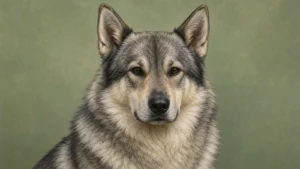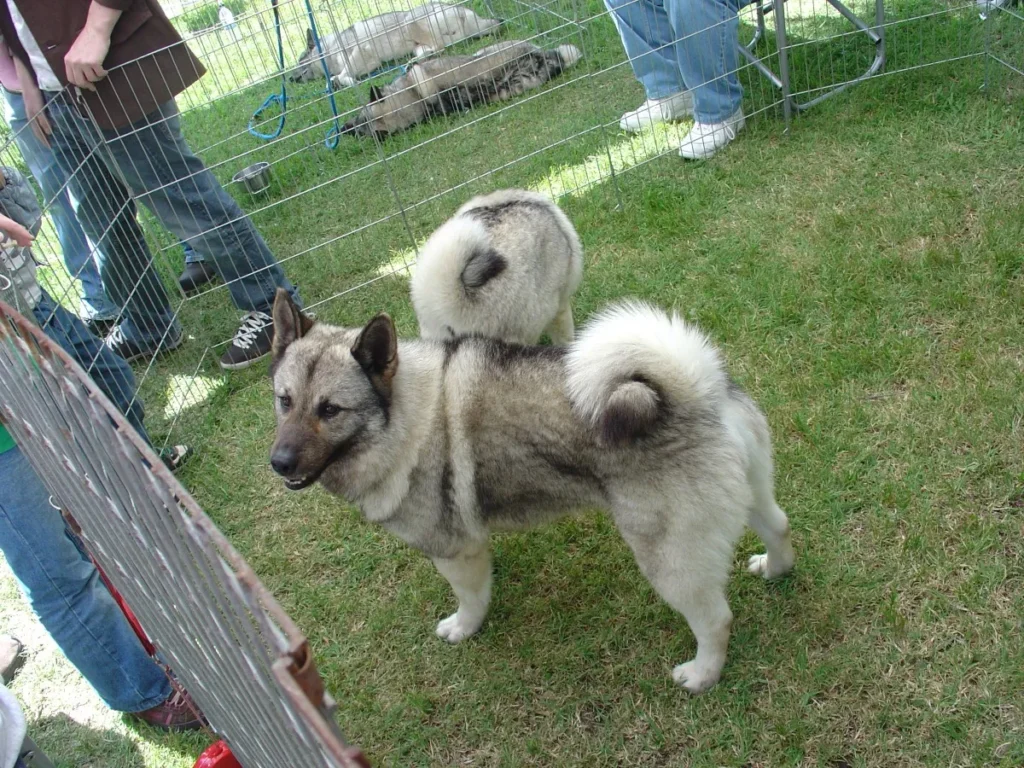
Norwegian Elkhound Training Profile
Breed Group
Spitz Dogs
Country of Origin
Norway
Breed Size
Medium
AKC Recognition
Yes, recognized in 1913
FCI Recognition
Yes, recognized in 1963
Mental stimulation needs
Above Average7 / 10
Trainability
3 / 10
Picky eater
Average6 / 10
Easy to train
Independent4 / 10
Training stubbornness
Stubborn3 / 10
Puppy training
Average6 / 10
Training FAQ
Are Norwegian Elkhound easy to train?
Norwegian Elkhounds are intelligent and loyal, but their history as independent hunters gives them a strong-willed, self-reliant streak that makes training challenging. They are capable of learning quickly, yet they often prioritize their own interests or scents over commands, requiring owners to use consistent leadership and high-value rewards. Success with this independent breed depends on maintaining patience and keeping training sessions short and engaging to prevent boredom.
Easy to train: 4 / 10
Are Norwegian Elkhound stubborn to train?
Norwegian Elkhounds are famously independent and strong-willed, a result of their history as self-reliant hunters. They often prioritize their own interests over commands, especially if they find tasks repetitive. Success requires extreme patience, high-value rewards, and short, engaging training sessions to manage their natural stubbornness.
Training stubbornness: 3 / 10
How do you train a Norwegian Elkhound puppy?
Train your Norwegian Elkhound puppy using positive reinforcement and high-value treats to manage their independent, food-motivated nature. Focus on early socialization and consistent obedience training. Keep sessions short, fun, and varied to prevent boredom, and ensure they receive plenty of daily exercise to maintain a calm temperament.
Puppy training: 6 / 10
How difficult is potty training in Norwegian Elkhound?
Potty training a Norwegian Elkhound typically takes several weeks to a few months with consistent effort. While highly intelligent, their independent and stubborn nature means success relies on a strict routine, crate training, and frequent outdoor breaks. Using high-value rewards and positive reinforcement is essential to overcome their strong-willed tendencies and ensure they master housebreaking effectively.
Potty training difficulty: 3 / 10
How many walks does a Norwegian Elkhound need?
Norwegian Elkhounds are high-energy dogs that require at least 60 to 90 minutes of vigorous daily exercise. They benefit from long walks, jogs, or hikes, and should always be kept on a lead or in a securely fenced area due to their strong hunting instincts and tendency to follow scents.
Walking need: 7 / 10
What is the best daily routine for a Norwegian Elkhound?
A Norwegian Elkhound's daily routine should focus on high physical activity and mental engagement to satisfy their hunting instincts. Provide at least 60 to 90 minutes of vigorous exercise, such as long hikes, brisk walks, or jogging, ideally in rugged terrain or cool weather. Feed adults twice daily and incorporate short, 5-10 minute training sessions using positive reinforcement to manage their independent nature. Essential care includes weekly brushing to manage their thick coat and providing interactive puzzle toys or scent games to prevent boredom-driven destructive behaviors.
Routine need: 8 / 10
Vet Insights
Norwegian Elkhounds are loyal but independent hunters, requiring patient, reward-based training to manage their strong-willed nature. They need 60 to 90 minutes of vigorous daily exercise to satisfy high energy levels. While potty training is challenging, a strict routine ensures success. Weekly grooming and mental stimulation through scent games are essential for this active, independent breed.