Skip to content

Greyhound - MAIN HUB

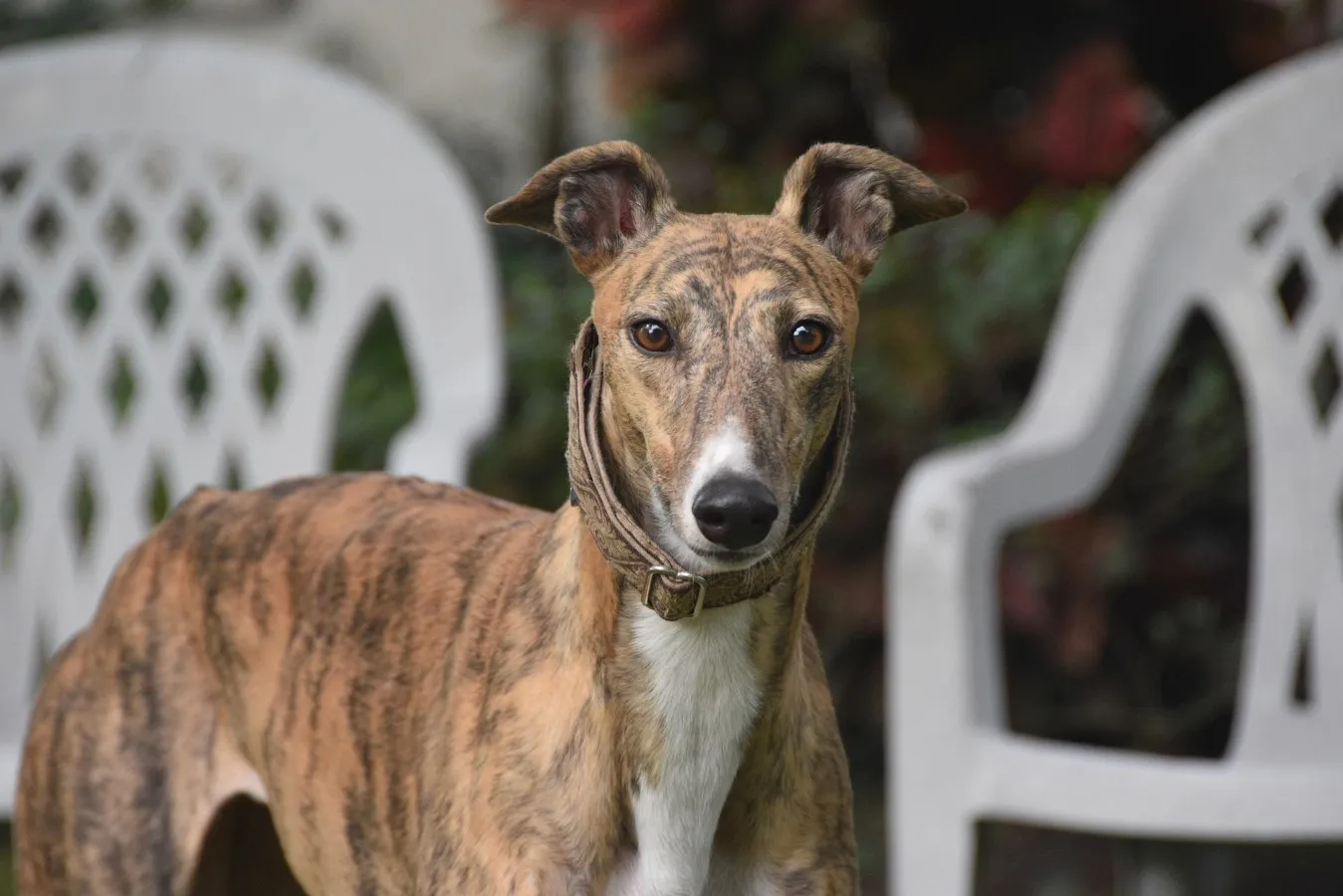
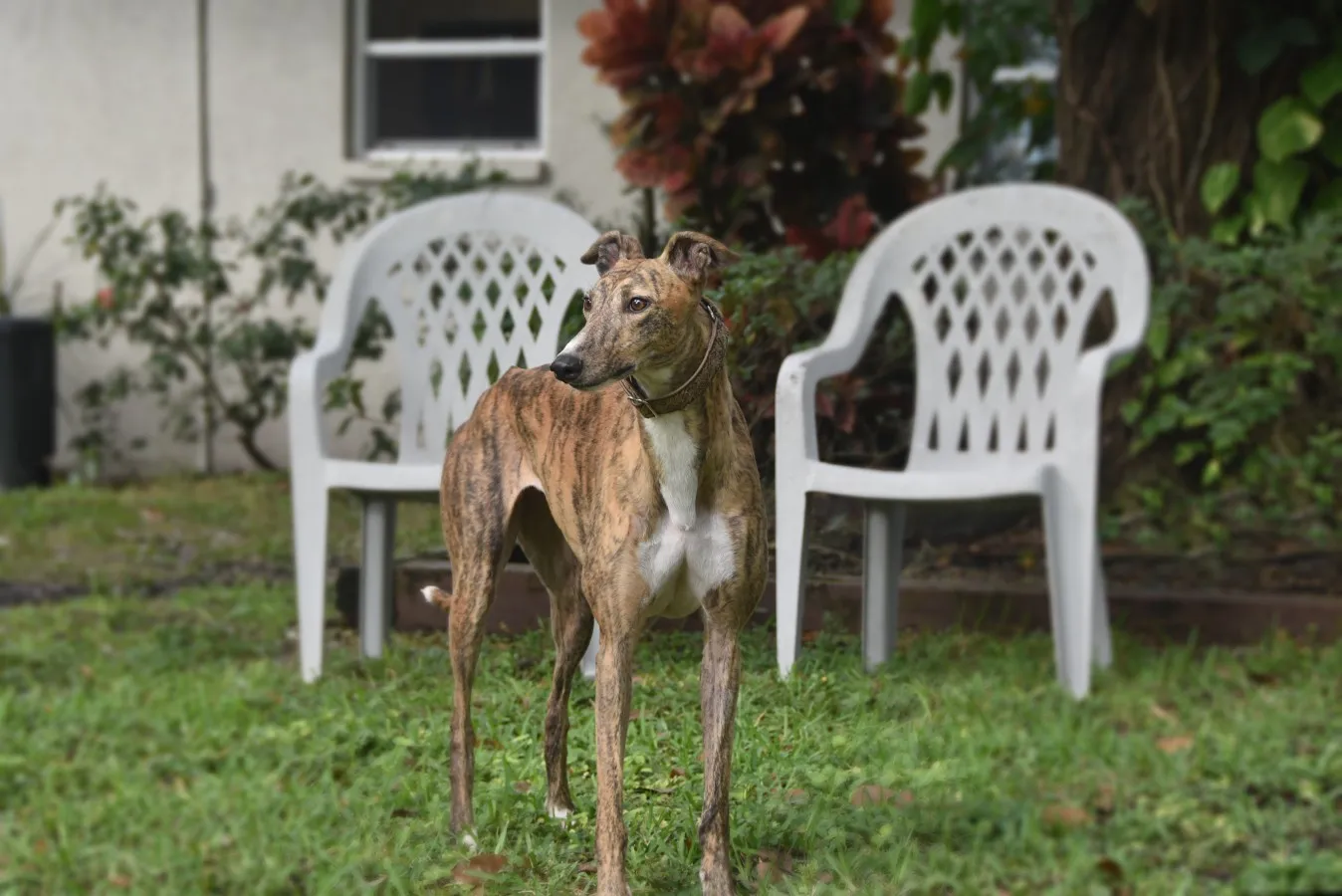
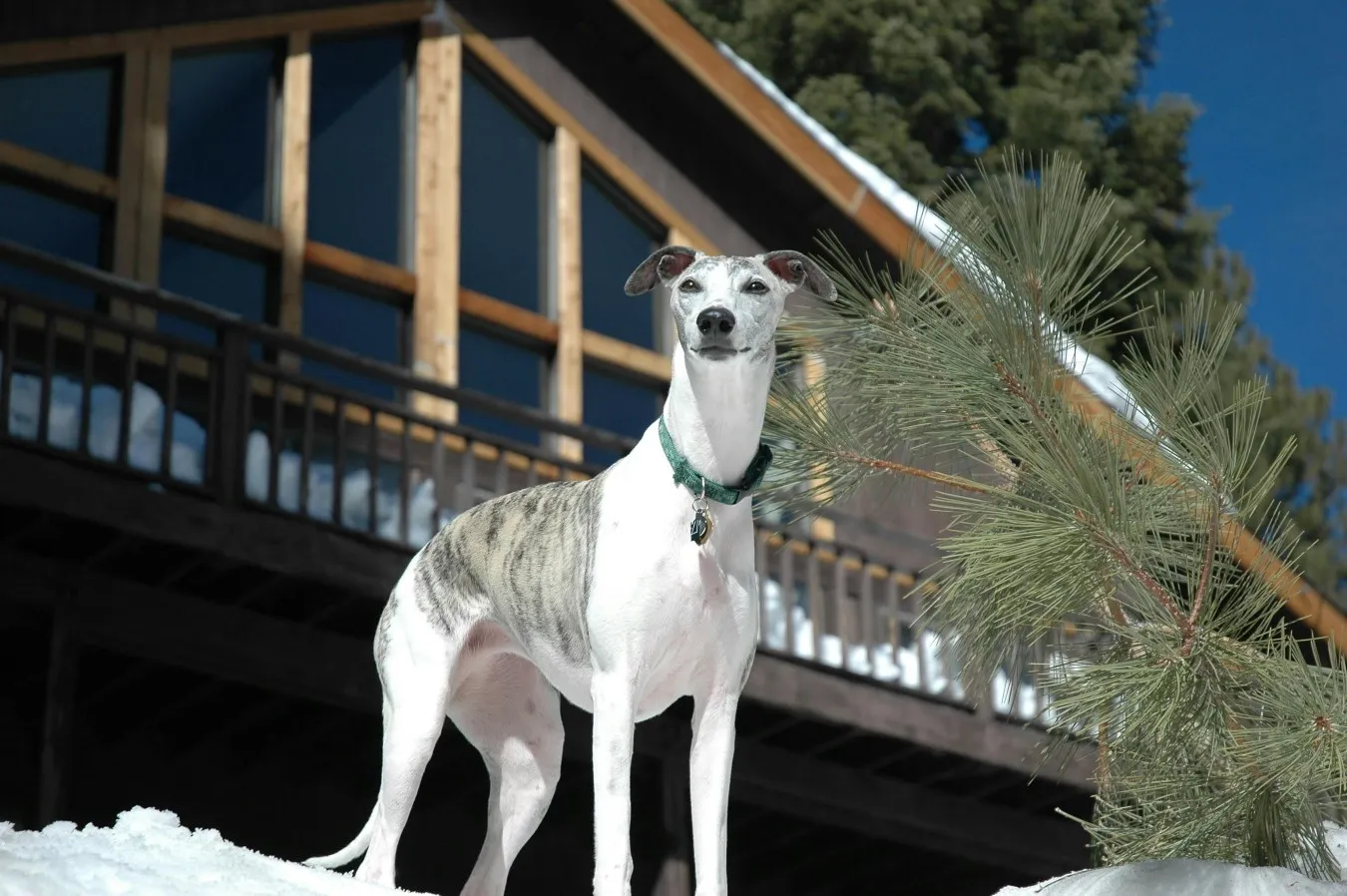
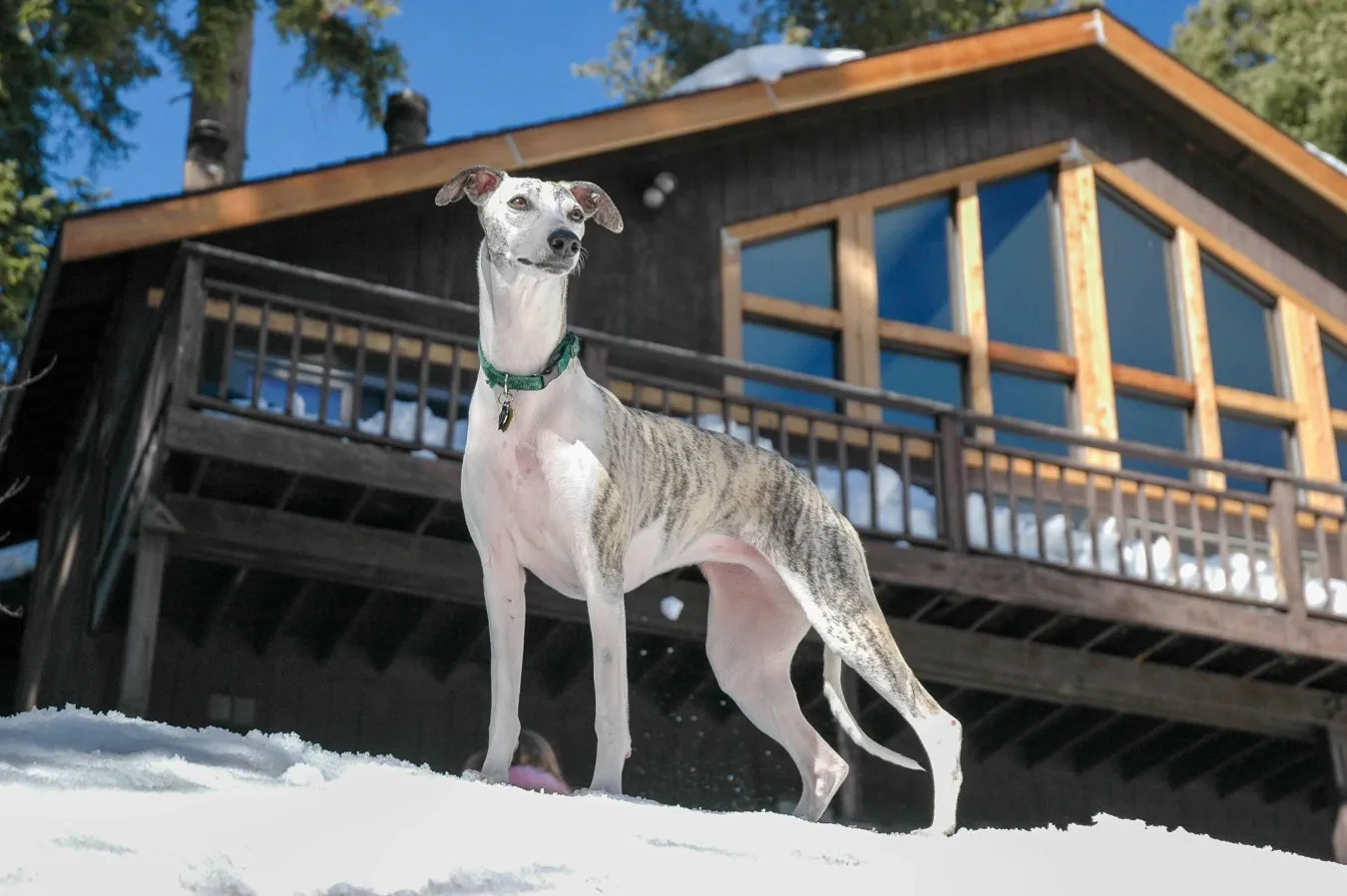
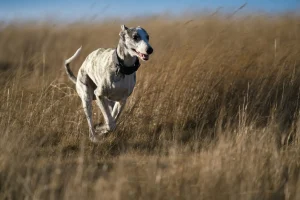
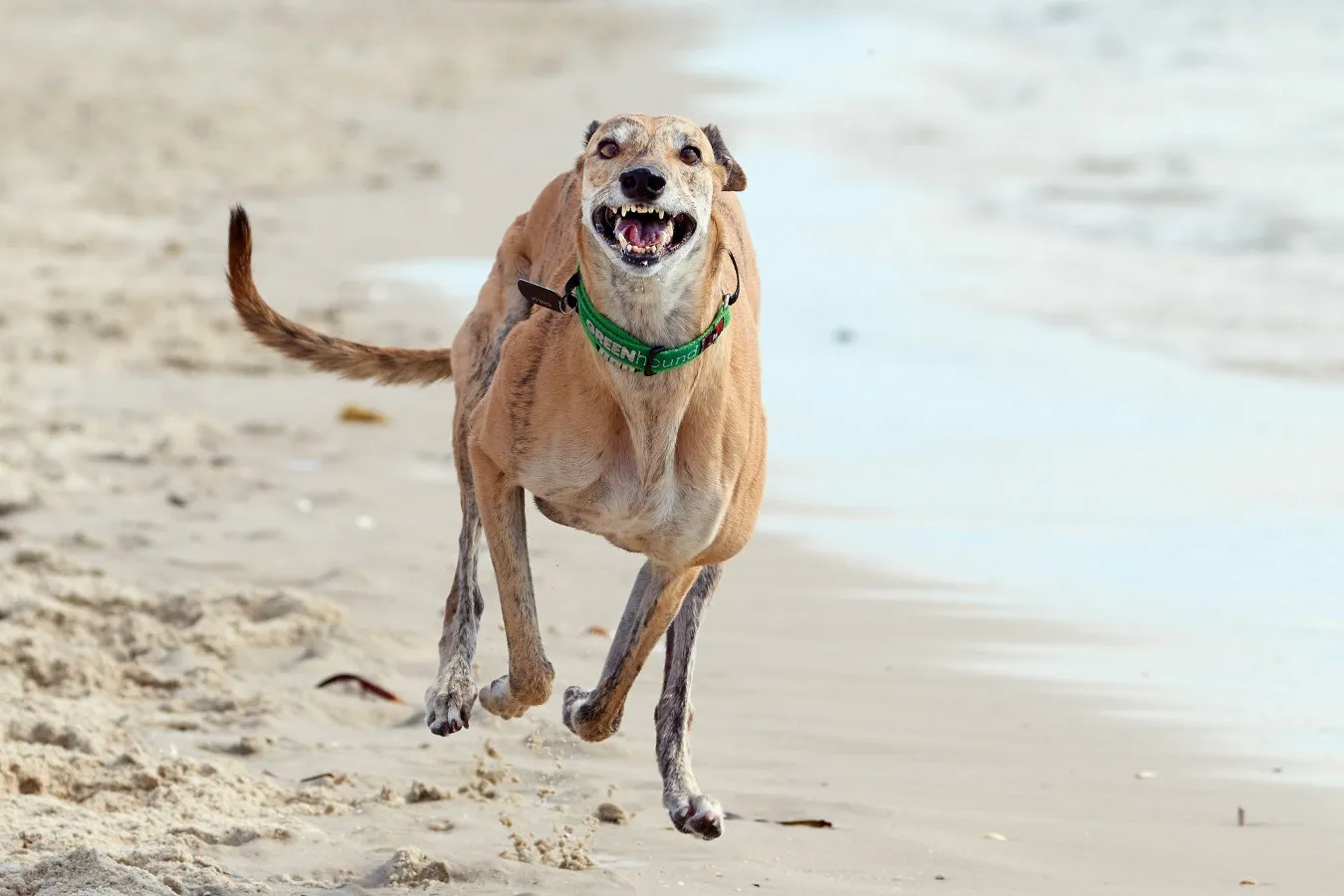
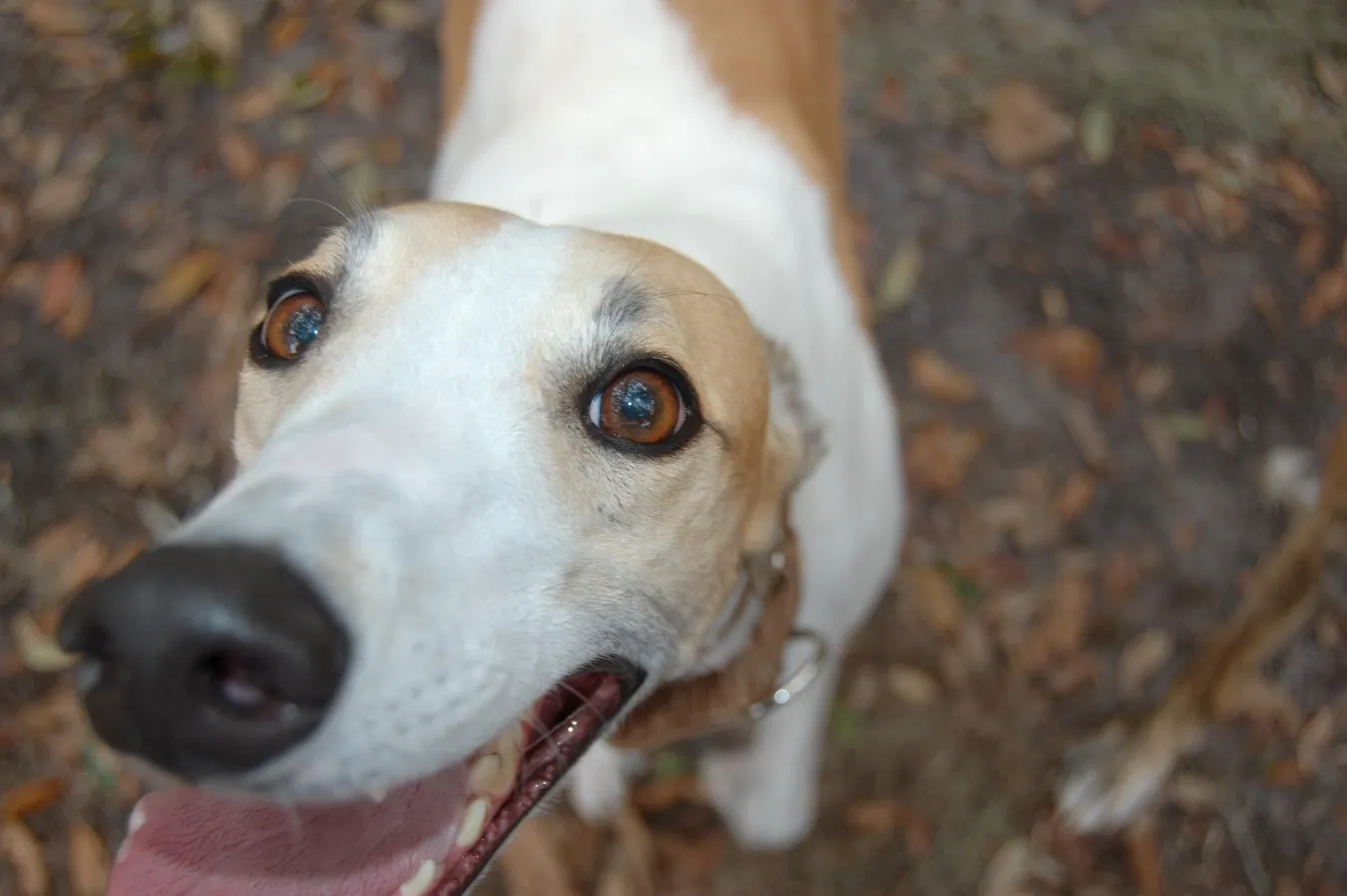
Meet the Greyhound: an elegant “40-mph couch potato” who loves sprinting as much as snuggling. Gentle, quiet, and low-maintenance, they’re pure joy.

BREED GROUP

Hound Dogs

Country of origin

United Kingdom

BREED SIZE

Giant

BREED HEIGHT

27 -

30 IN

69 -

76 cm

BREED WEIGHT

60 -

70 LB

27 -

32 KG

WHAT YOU NEED TO KNOW

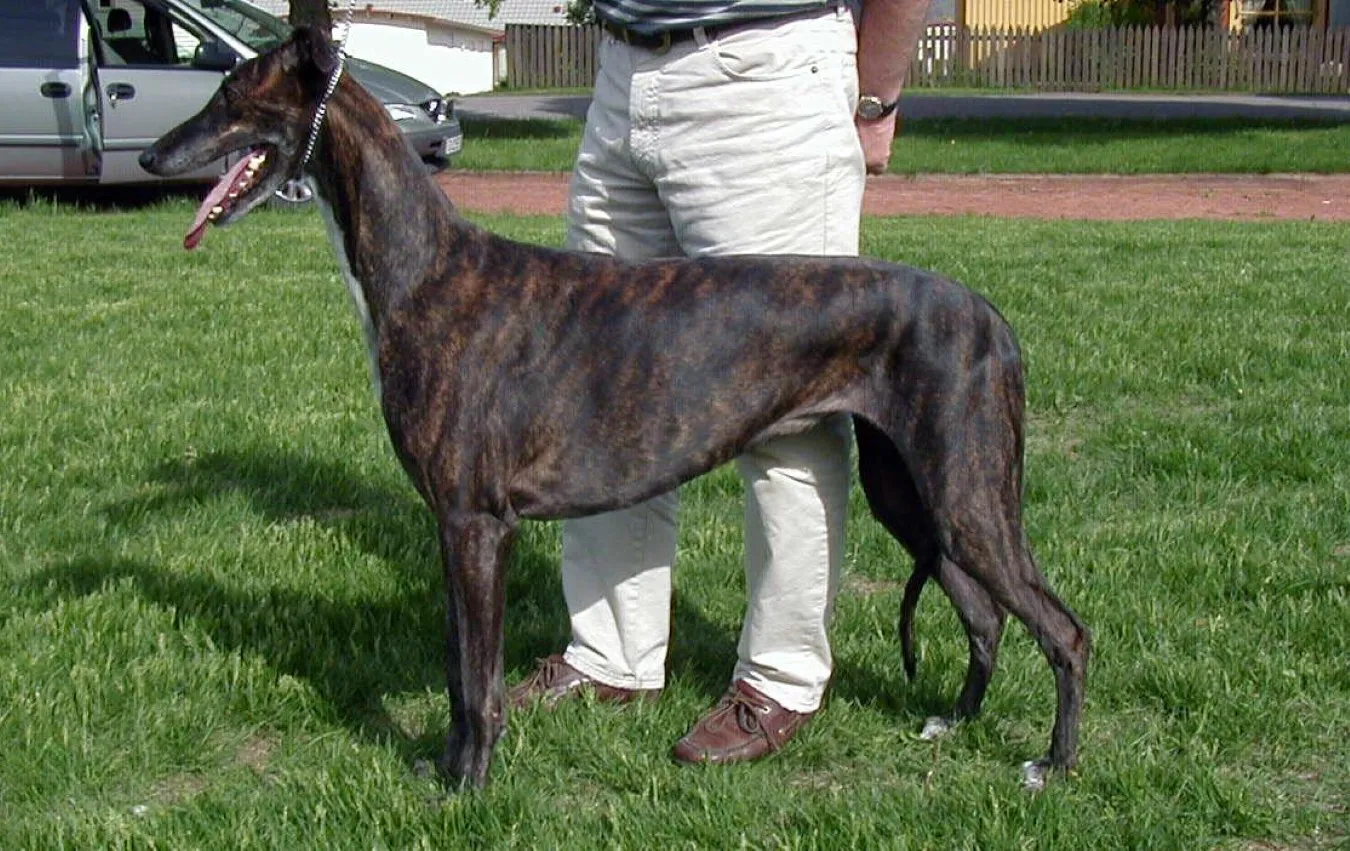
The Greyhound is a noble, ancient sighthound known for its incredible sprinting speed and calm, "couch potato" personality. Despite reaching speeds of 40 mph, they are docile indoor companions that typically enjoy lounging for most of the day. They are gentle, affectionate, and generally good with children, though their high prey drive requires caution around small pets. With a short, easy-to-maintain coat and moderate exercise needs of about 40-60 minutes daily, they adapt well to various households, including apartments. Owners should monitor for health issues like bloat and dental disease.
american kennel club (AKC) recognition

Yes

Breed was recognized in 1885.

International Canine Federation (FCI) recognition

Yes

Breed was recognized in 1955.
WHAT DO OWNERS WANT TO KNOW?

Are Greyhounds good family dogs?

Excellent

10 out of 10

Greyhounds are excellent family dogs known for being gentle, affectionate, and generally good with children. They are docile indoor companions that adapt well to various households, although their high prey drive requires caution around small pets.

Excellent

10 out of 10

Greyhounds are generally excellent with children, known for being calm, patient, and tolerant companions. While they are docile and often walk away from annoyance rather than snapping, their thin skin and sensitive nature make them best suited for homes with older or respectful children who handle them gently. Consistent supervision with toddlers is recommended to ensure the safety of both the child and the dog.

Excellent

9 out of 10

Greyhounds are generally suitable for first-time owners due to their calm, low-maintenance nature and adaptability to various living environments. While their high prey drive requires consistent leash use in open spaces, their gentle "couch potato" personality makes them easygoing companions. Prospective owners should be mindful of their sensitivity to extreme temperatures and their requirement for soft bedding to protect their lean bodies.

Exceptional

10 out of 10

Greyhounds are excellent apartment dogs due to their calm and docile indoor nature, often being described as couch potatoes. While they are large, their moderate exercise needs can be met with 40-60 minutes of daily activity or short walks. Owners should be mindful of their high prey drive and provide soft bedding for their lean bodies.

Not Required

2 out of 10

A yard is not strictly required for a Greyhound, as they are surprisingly calm indoors and adapt well to apartment living. While a securely fenced yard is ideal for occasional sprints, their moderate exercise needs of 40 to 60 minutes daily can be easily met through regular walks and indoor relaxation.

Fair

4 out of 10

Greyhounds can be left alone for moderate periods, typically between 4 and 6 hours, due to their calm and independent nature. While they are often described as "couch potatoes" who enjoy lounging, they are also social pack animals that can develop separation anxiety if isolated for too long. Providing vigorous exercise before departures, consistent routines, and mental stimulation like puzzle toys can help ensure they remain relaxed and comfortable while home alone.

Fair

4 out of 10

Greyhounds can often live peacefully with indoor cats if properly tested and introduced, though their high prey drive means not all individuals are compatible. Owners should use muzzles and leashes during slow, supervised introductions and maintain strict separation outdoors, where their natural hunting instincts are most likely to be triggered.

Very Gentle

10 out of 10

Greyhounds are not naturally aggressive; they are famously gentle, docile, and even-tempered companions. While they possess a high prey drive that can lead to chasing small animals, they are typically friendly toward humans and other dogs. Any perceived aggression in racing environments is usually competitive nipping rather than true malice, and they generally prefer to walk away from conflict.

Couch Potato

1 out of 10

Greyhounds are famously known as 40-mph couch potatoes because they are surprisingly low-energy indoors and spend most of their day lounging. While they are world-class sprinters, they have little endurance and typically only require 30 to 60 minutes of daily exercise, such as brisk walks or short sprints in a secure area. This unique combination of athletic bursts and a calm, lazy disposition makes them gentle and adaptable household companions.

~60 min a day

5 out of 10

Greyhounds require moderate daily exercise, typically 40 to 60 minutes, which can be met through brisk walks or short sprints in a securely fenced area. Known as 40-mph couch potatoes, they are docile indoors and spend a significant portion of their day lounging. Due to their high prey drive, they should always be kept on a leash during walks to ensure their safety.

Danger

1 out of 10

Greyhounds are highly sensitive to hot weather due to their lean bodies, thin skin, and lack of insulating body fat. They are prone to heatstroke and can easily suffer from sunburn or burnt paw pads on hot pavement. Owners should provide constant access to shade and fresh water, limit outdoor activities to early mornings or late evenings, and consider using cooling vests or mats to keep them safe.

Danger

1 out of 10

Greyhounds are highly sensitive to hot weather due to their lean bodies, thin skin, and lack of insulating body fat. They are prone to heatstroke and can easily suffer from sunburn or burnt paw pads on hot pavement. Owners should provide constant access to shade and fresh water, limit outdoor activities to early mornings or late evenings, and consider using cooling vests or mats to keep them safe.

Never Banned

10 out of 10

Greyhounds are rarely subject to breed bans because they are famously gentle, quiet, and docile indoor companions. Their calm nature makes them excellent apartment dogs, although their large size may conflict with properties that enforce strict pet weight limits. Always confirm individual landlord policies and weight restrictions to ensure compliance with rental agreements.

WHAT DO OWNERS WANT TO KNOW?


Photo
Reviewed by
Dr. Vojtech Gabriel
DVM · PhD · MBA
Veterinarian Researcher Dog breed specialist
Verified

"Greyhounds are gentle and elegant companions, but their unique physiology requires specific veterinary attention. As a veterinarian, I prioritize monitoring for Gastric Dilation-Volvulus (GDV or bloat), a life-threatening emergency common in deep-chested breeds; I often recommend prophylactic gastropexy and feeding multiple small meals daily to reduce this risk. This breed is also notably sensitive to certain anesthetic drugs due to a cytochrome p450 enzyme deficiency, making specialized anesthesia protocols essential for any procedure. Owners should also be vigilant for delayed postoperative bleeding and Greyhound polyneuropathy. Because of their lean bodies and thin skin, providing soft bedding and monitoring for dental disease is crucial. Given these specific needs, it is vital to work with a veterinarian familiar with sighthound medicine and maintain a consistent health screening schedule."


Other Hound Dogs