Skip to content

Skye Terrier - MAIN HUB

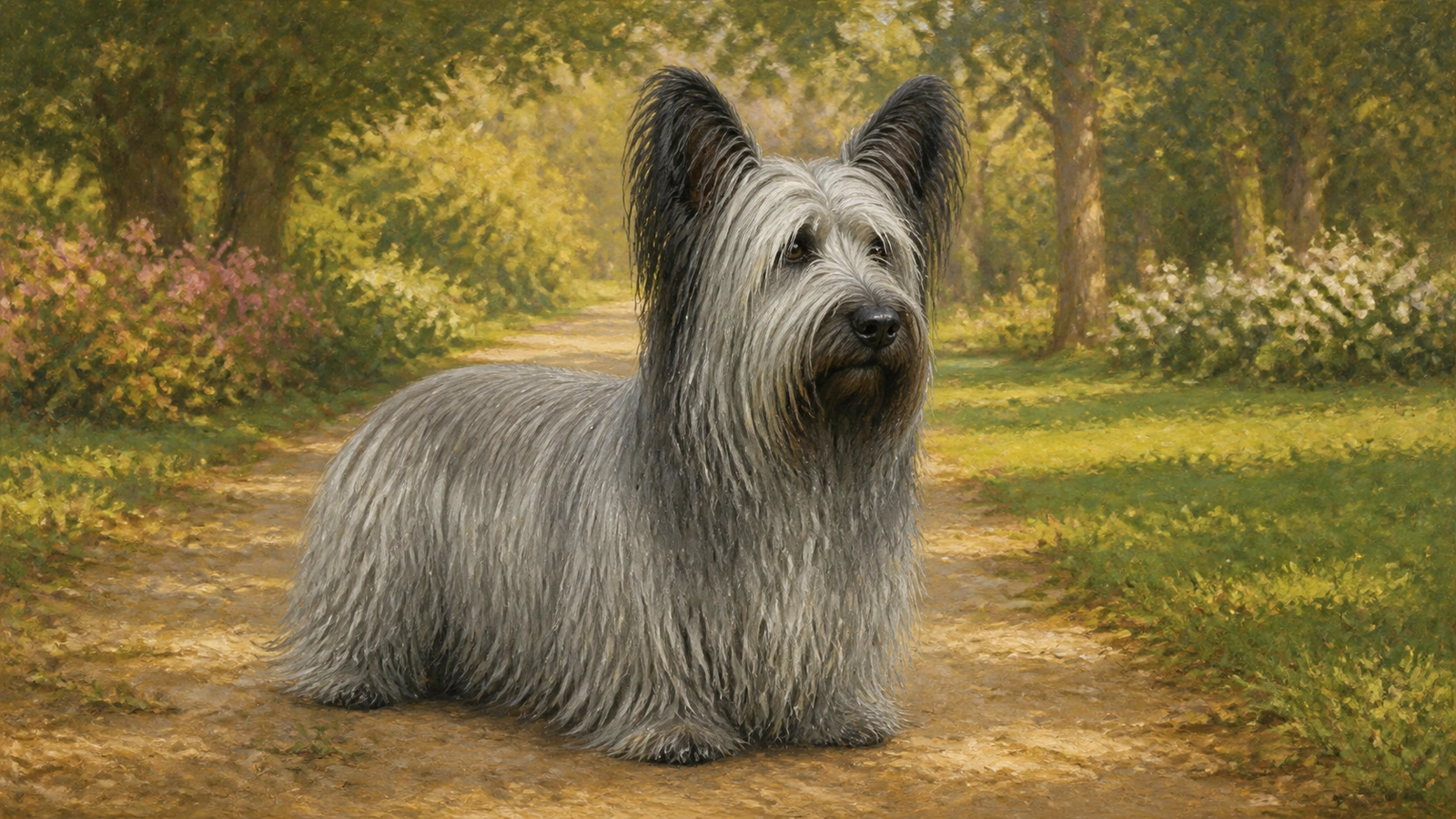
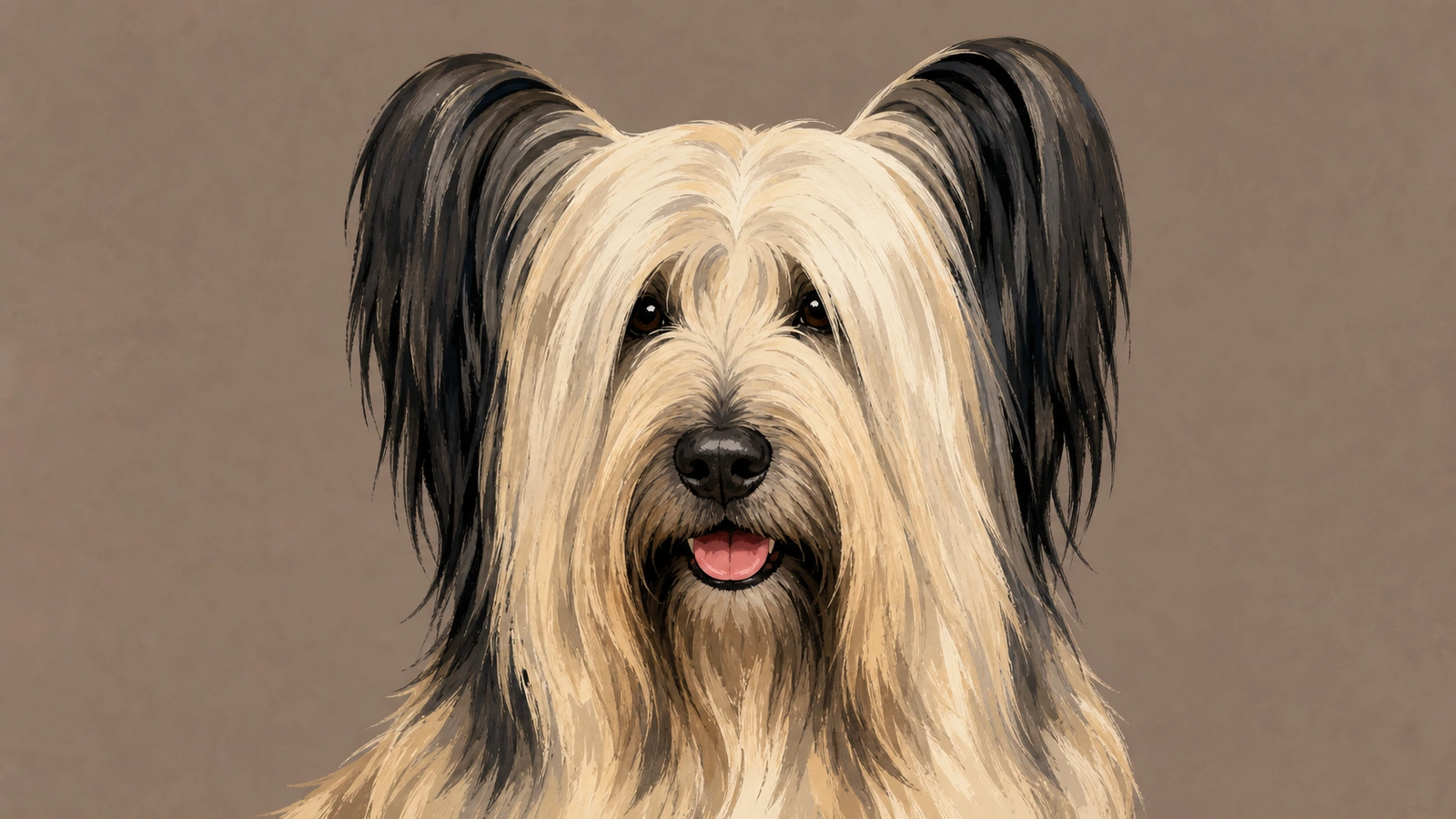
Elegant and fiercely loyal, the Skye Terrier is a rare Scottish gem with a plucky heart, iconic long silhouette, and a devoted, cuddly personality.

BREED GROUP

Terrier Dogs

Country of origin

United Kingdom

BREED SIZE

Small

BREED HEIGHT

9 -

10 IN

23 -

25 cm

BREED WEIGHT

25 -

40 LB

11 -

18 KG

WHAT YOU NEED TO KNOW

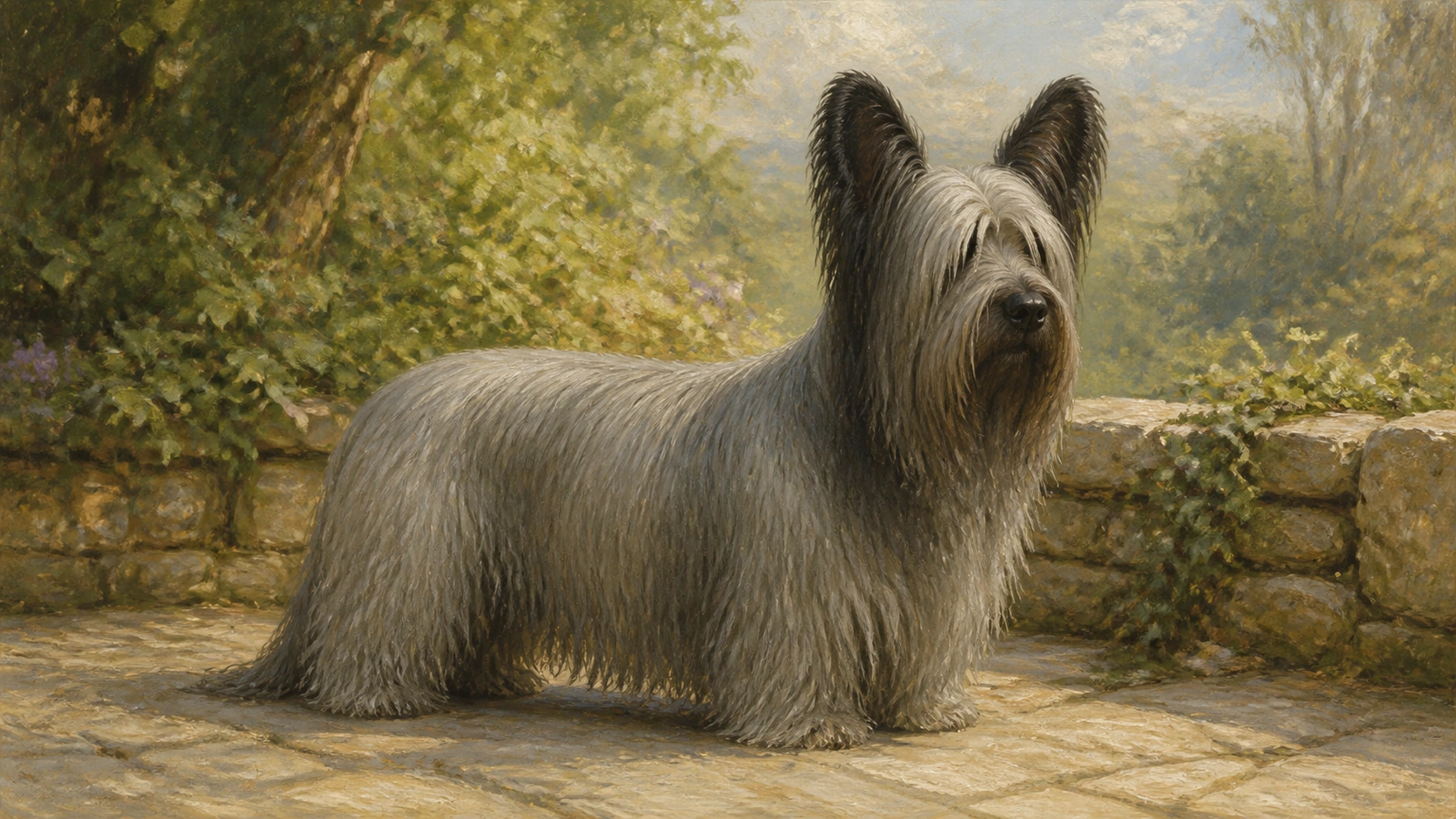
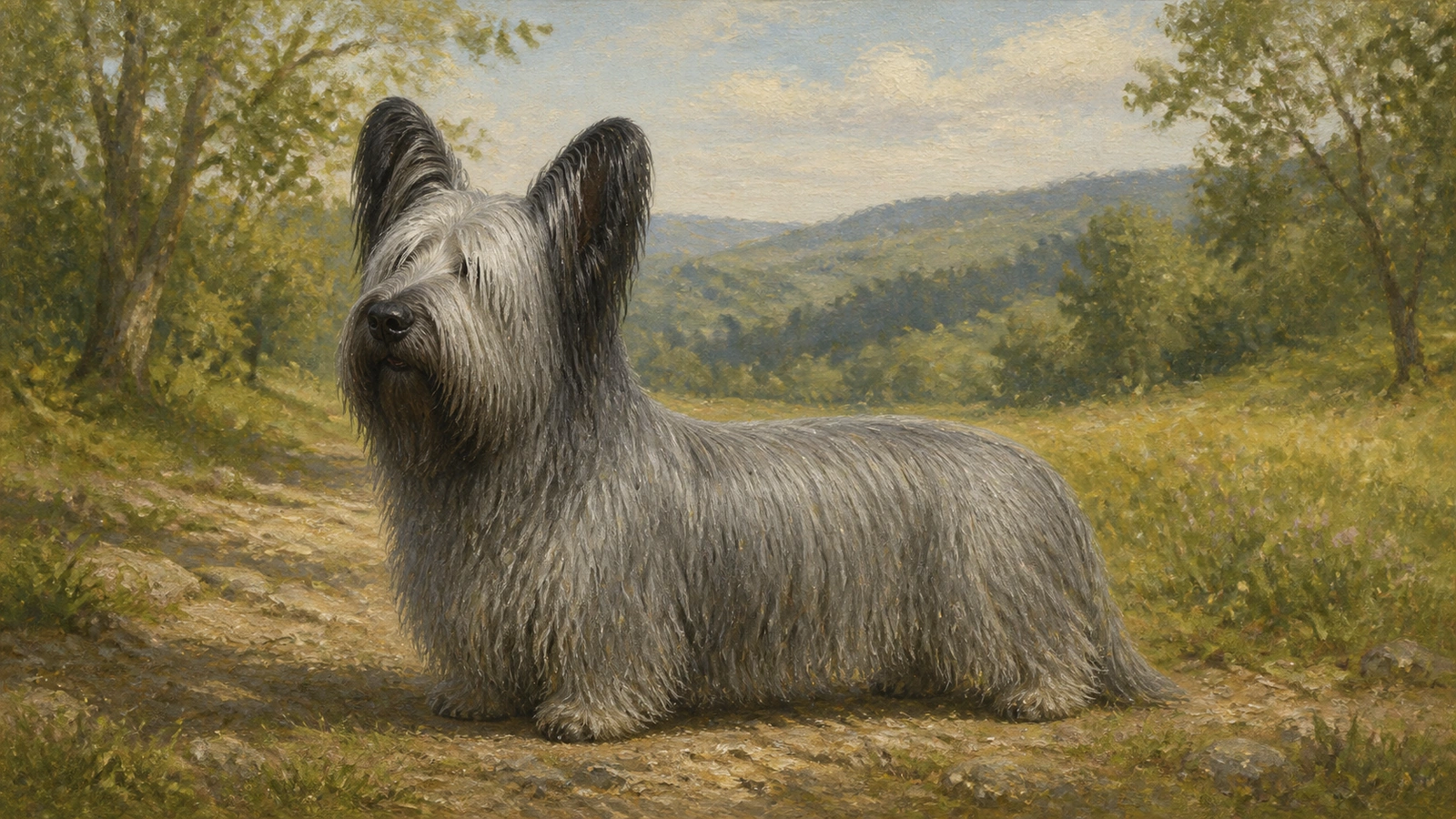
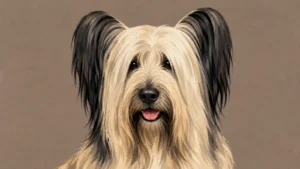
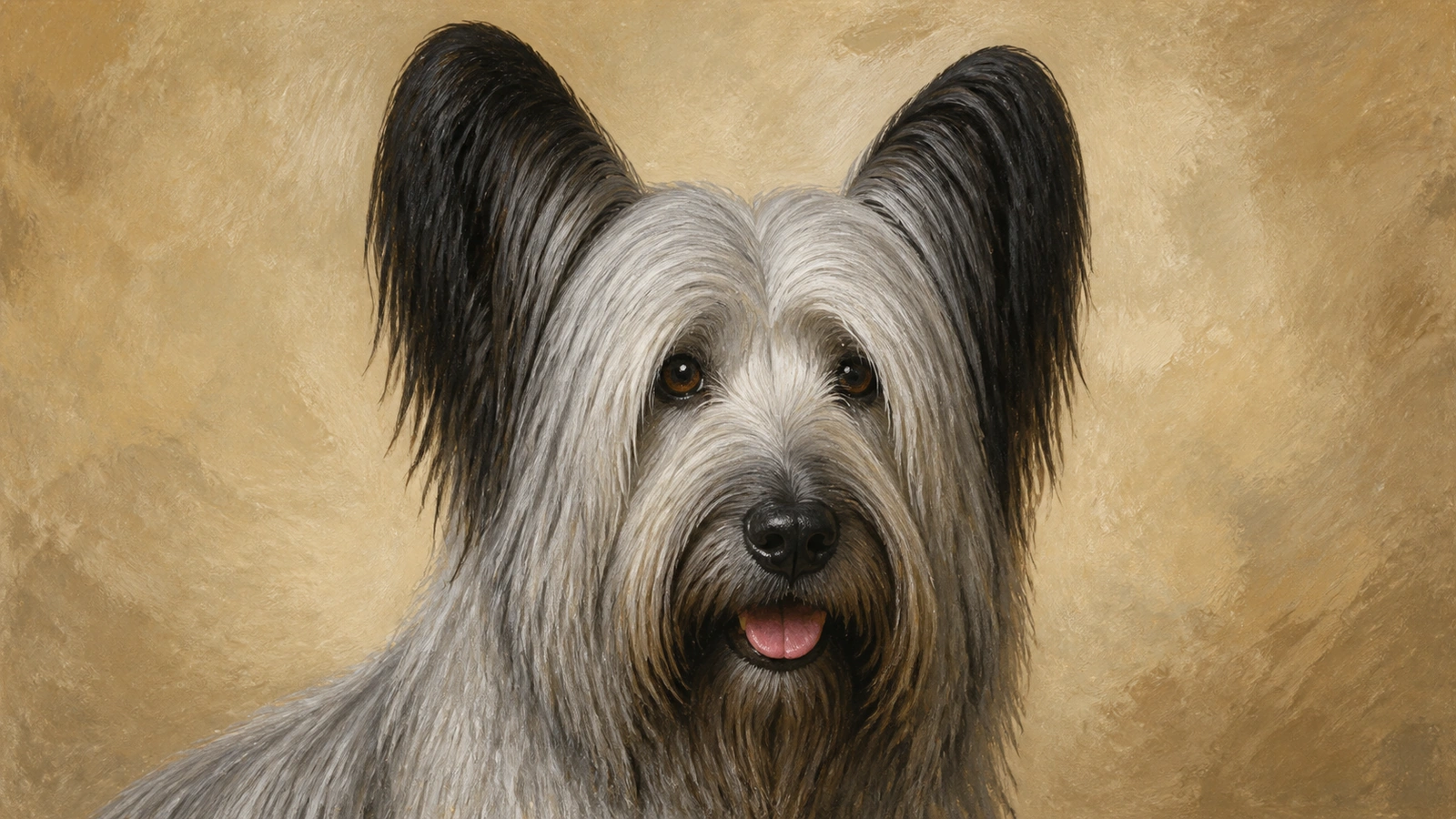
The Skye Terrier is a loyal, courageous, and elegant breed hailing from Scotland's Isle of Skye. Standing about 10 inches tall with a distinctive long, low silhouette, they are famous for their luxurious double coats and large ears. While affectionate and devoted to their families, they can be reserved with strangers and stubborn during training. Owners should provide moderate daily exercise and weekly brushing to prevent matting. Though once a favorite of British royalty, this intelligent and protective breed is now rare and endangered, making them unique companions.
american kennel club (AKC) recognition

Yes

Breed was recognized in 1887.

International Canine Federation (FCI) recognition

Yes

Breed was recognized in 1954.
WHAT DO OWNERS WANT TO KNOW?

Are Skye Terriers good family dogs?

Above Average

6 out of 10

Skye Terriers are affectionate and devoted to their families, making them loyal and protective household companions. However, their stubbornness during training and reserved nature with strangers suggest they are best suited for families that can provide consistent guidance. Their need for moderate exercise and regular grooming makes them a manageable but committed addition to the right home.

Average

6 out of 10

Skye Terriers are generally good with children, especially when socialized from an early age, but they are best suited for families with older, respectful kids. Due to their independent and sensitive nature, they have a lower tolerance for rough handling and may become reserved or wary. Supervision is always recommended to ensure interactions remain gentle and safe for both the dog and the child.

Good

6 out of 10

Skye Terriers are an excellent choice for first-time owners who are willing to commit the necessary time and energy to their training and care. While their intelligence makes them quick learners, they possess a stubborn and independent streak that requires a patient, consistent, and firm yet gentle hand. Provided novices are prepared for their significant grooming needs and preference for constant companionship, these loyal terriers reward their owners with deep devotion and a spunky, affectionate personality.

Good

6 out of 10

Skye Terriers are well-suited for apartment living due to their compact size and moderate exercise needs. While they adapt easily to smaller spaces, their tendency for vocal barking requires consistent training to ensure they remain considerate neighbors in close living environments.

Average

5 out of 10

A yard is not strictly required for a Skye Terrier, as they are relatively low-energy dogs that adapt well to apartment living or smaller homes. While a securely fenced yard is recommended to safely accommodate their strong instinct to chase small animals, daily walks and indoor play are typically sufficient to satisfy their moderate exercise needs.

Not Recommended

1 out of 10

Skye Terriers are deeply devoted to their families and can suffer from separation anxiety if left alone for long periods. While they can manage short intervals of solitude, prolonged isolation may lead to boredom, excessive barking, and destructive behaviors. They are happiest in households where they receive consistent companionship and are treated as integral members of the family.

Average

5 out of 10

Skye Terriers can coexist with cats if raised together from an early age or socialized correctly. However, as they were bred to hunt vermin, they possess a strong prey drive and may be inclined to chase felines. Consistent training and supervision during introductions are necessary to manage their natural terrier instincts and ensure a peaceful multi-pet household.

Reactive

2 out of 10

Skye Terriers are not naturally aggressive and are known for their courageous yet good-tempered nature. While they are loyal and affectionate with their families, they can be reserved or distrustful of strangers and may nip if they feel threatened or if their authority is challenged. Early socialization and consistent, positive reinforcement training are essential to prevent them from becoming overly wary or developing small dog syndrome.

Moderate

8 out of 10

Skye Terriers have moderate energy levels and are known for being calmer and more serious than many other terrier breeds. While they enjoy daily walks and interactive play sessions, they are not hyperactive and are generally content to relax at home with their families. They require about 30 to 60 minutes of daily activity to remain physically fit and mentally stimulated.

~30–60 min a day

4 out of 10

Skye Terriers require a moderate amount of daily exercise, typically ranging from 30 to 60 minutes. Because of their unique anatomy and elongated spines, they are prone to back and disc injuries, so high-impact activities like jumping or climbing stairs should be avoided, especially in puppies. A routine of short walks and gentle play sessions is usually sufficient to keep them physically fit and mentally stimulated without overexertion.

Poor

3 out of 10

Skye Terriers have a moderate tolerance for hot weather, but their long, thick double coats make them susceptible to overheating. They often seek out cool surfaces like tile floors to regulate their temperature during warm days. Owners should provide plenty of shade and water, limit outdoor activity during peak heat, and watch for signs of distress when temperatures rise above 80 degrees Fahrenheit.

Poor

3 out of 10

Skye Terriers have a moderate tolerance for hot weather, but their long, thick double coats make them susceptible to overheating. They often seek out cool surfaces like tile floors to regulate their temperature during warm days. Owners should provide plenty of shade and water, limit outdoor activity during peak heat, and watch for signs of distress when temperatures rise above 80 degrees Fahrenheit.

Moderate Risk

6 out of 10

Skye Terriers are rarely subject to breed-specific bans, as they are not typically classified as an aggressive breed. Their compact size often falls well within apartment weight limits; however, their tendency for vocal barking may require training to avoid noise complaints. Always verify specific landlord policies and rental insurance requirements, as some may have general restrictions based on size or vocalization.

WHAT DO OWNERS WANT TO KNOW?


Photo
Reviewed by
Dr. Vojtech Gabriel
DVM · PhD · MBA
Veterinarian Researcher Dog breed specialist
Verified

"Skye Terriers are a robust breed, but their unique physical structure requires specific health considerations. As a veterinarian, I prioritize monitoring for Intervertebral Disc Disease (IVDD) due to their elongated spines; it is critical to prevent puppies from jumping or climbing stairs to avoid permanent injury. They are also predisposed to orthopedic issues like hip and elbow dysplasia, as well as eye problems and skin allergies. Maintaining a lean weight is essential to reduce stress on their joints and back. Owners should also be aware of risks for autoimmune diseases and certain cancers, necessitating regular screenings and proactive veterinary care to ensure a healthy lifespan."
Other Terrier Dogs