Skip to content

Skye Terrier Training Profile

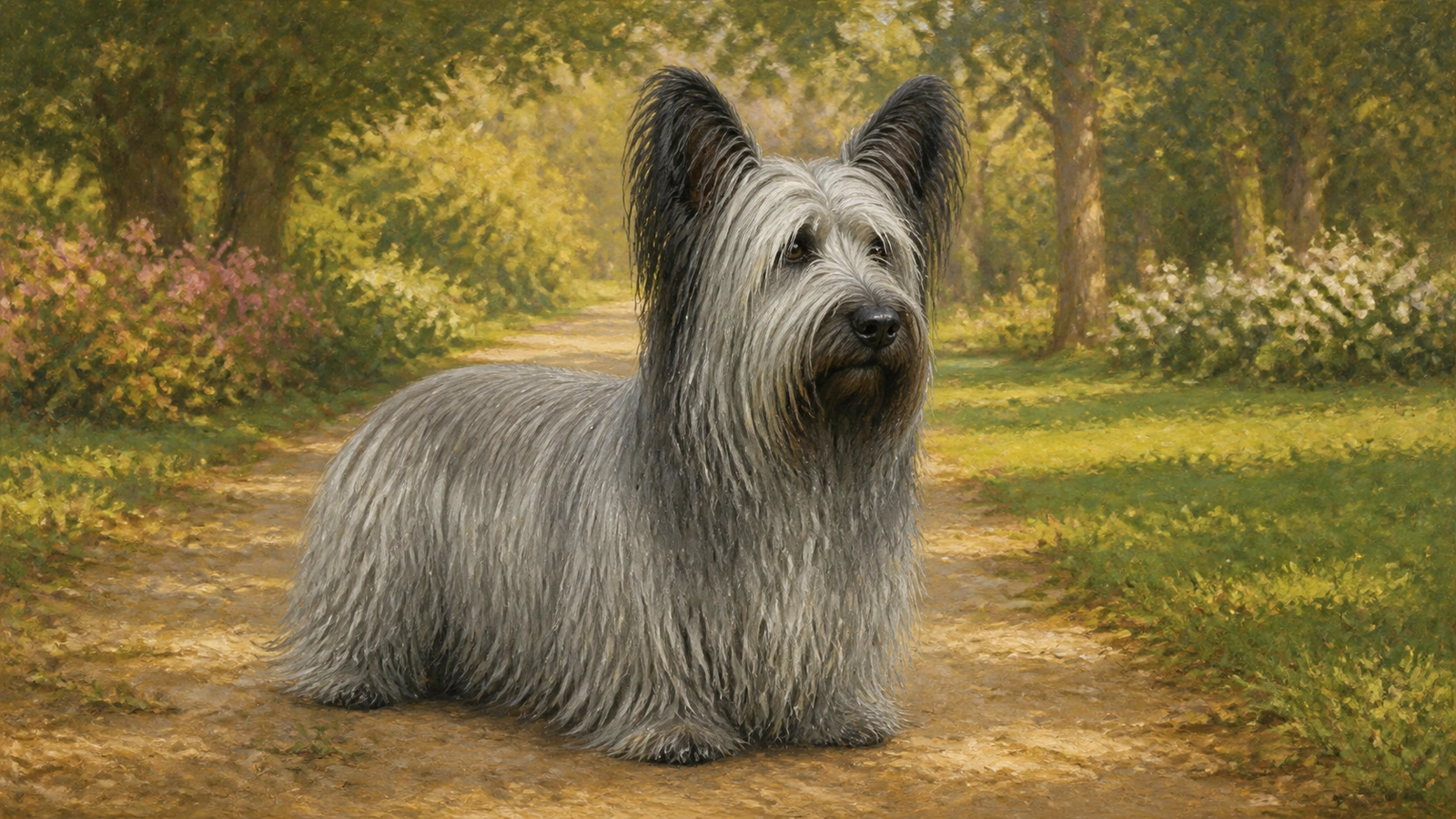
Skye Terriers are intelligent but famously stubborn, requiring patient owners and consistent, reward-based training. These independent thinkers respond best to gentle positive reinforcement and short, engaging sessions. Early socialization is crucial to manage their reserved nature. While they have moderate exercise needs, their sensitive spirit and “hardheaded” reputation require firm yet kind leadership.

TRAINABILITY

Hard

2 out of 10

MENTAL STIMULATION NEEDS

High Needs

8 out of 10

LOVE FOR GRUB

Moderate

5 out of 10

TRAINING FAQ

Are Skye Terriers easy to train?

Very Hard

1 out of 10

Skye Terriers are intelligent dogs that can master obedience, but their notable stubborn streak makes training a challenge. They are independent thinkers who require a patient owner using positive reinforcement and consistency. Early socialization is vital to manage their naturally reserved and spunky temperament.

Highly Stubborn

1 out of 10

Skye Terriers are highly intelligent but possess a famously independent and stubborn streak, often preferring to make their own decisions. They require firm, consistent leadership and respond best to gentle, positive reinforcement. Their sensitive nature means they may shut down if treated harshly, requiring patient owners.

Difficult

2 out of 10

Train your Skye Terrier puppy with short, engaging sessions using gentle positive reinforcement and high-value rewards. Since they are independent and notoriously stubborn, use firm yet kind leadership and maintain a consistent routine. Prioritize early socialization to manage their reserved nature. Avoid harsh corrections, as this sensitive breed may shut down, requiring extreme patience during their development.

Very Difficult

1 out of 10

Potty training a Skye Terrier typically takes 4 to 6 months, though their independent and stubborn nature can make the process very difficult. Success requires a consistent routine, frequent outdoor breaks, and positive reinforcement to overcome their “hardheaded” reputation. Using a crate and maintaining strict boundaries are essential for managing this sensitive breed throughout housebreaking.

Extreme Needs

10 out of 10

Skye Terriers require moderate daily exercise to stay healthy and happy, typically needing 30 minutes to one hour of activity. This should include several short walks and play sessions or exploring a secure area, which helps satisfy their natural hunting instincts. Due to their long spines and short legs, they can tire quickly and are prone to back injuries, so owners should avoid activities involving jumping or stairs, especially for puppies.

Moderate High

7 out of 10

A Skye Terrier’s daily routine should balance moderate physical activity with consistent mental engagement and intensive grooming. Provide 30 to 60 minutes of exercise daily, split into short, brisk walks and interactive play sessions, while being careful to avoid overexertion and activities that could strain their long spine, like jumping or climbing stairs. Feed adult Skye Terriers twice daily with high-quality protein and omega fatty acids to support their luxurious coat and joint health. Essential daily care includes short, positive reinforcement training sessions to manage their independent nature and thorough weekly brushing to prevent mats and tangles in their long double coat. Ensure they have plenty of companionship, as they thrive on close bonds and do not like being left alone for long periods.
VET INSIGHTS

Skye Terriers are intelligent but famously stubborn, requiring patient, reward-based training and early socialization. They have moderate exercise needs, typically 30 to 60 minutes daily, but require protection from spinal strain. Potty training is notably difficult due to their independent nature. Their routine emphasizes consistent mental engagement and thorough weekly grooming to maintain their luxurious double coat.
Photo
Reviewed by
Dr. Vojtech Gabriel
DVM · PhD · MBA
Veterinarian Researcher Dog breed specialist
Verified

Explore Other Breed TRAINING PROFILES