
Cardigan Welsh Corgi Health and Costs
Breed Group
Herding Dogs
Country of Origin
United Kingdom
Breed Size
Medium
AKC Recognition
Yes, recognized in 1935
FCI Recognition
Yes, recognized in 1963
Rarity
Very Common2 / 10
Purchase cost
Moderate to Expensive6 / 10
Life expectancy
Long Lifespan8 / 10
Health
Moderate health concerns4 / 10
Health problem risk
High health burden7 / 10
Maintenance cost
Moderate upkeep cost4 / 10
A Veterinarian's Guide
Cardigan Welsh Corgi Health Problems and Costs
The Cardigan Welsh Corgi has a long back, short legs, and a sturdy frame, and most of its health picture follows from that body plan. The spine takes the most strain, followed by the hips and the weight they carry. Knowing the usual trouble spots before you bring a puppy home, or while you already share your life with one, makes screening and vet visits much easier to plan.
In this guide

Why Is Disc Disease Such a Big Deal for Cardigans?
Intervertebral disc disease, or IVDD, happens when a cushioning disc between the spinal bones bulges or bursts into the spinal canal and presses on the spinal cord. The word intervertebral comes from the Latin inter, "between," and vertebra, "joint of the spine." Long-backed, short-legged breeds like the Cardigan are among those at higher risk of disc problems. The result can range from mild back pain to sudden weakness or paralysis of the hind legs, and VCA's guide to IVDD explains how vets grade and treat it.
- 01
Sudden hind-leg weakness
The back end wobbles, collapses, or cannot hold weight.
- 02
Dragging the back feet
The toes scuff or knuckle over while walking.
- 03
Crying out in pain
Yelping when picked up, moved, or touched along the back.
- 04
Hunched back or reluctance to jump
A stiff, tucked posture or refusing stairs and furniture.
Early signs such as a reluctance to jump, a hunched back, or crying out when picked up are warning signs, not quirks of personality. Prompt care before paralysis sets in generally gives a dog better odds of recovery.

Why Do Weight and Hips Matter So Much for a Corgi?
Extra weight on a Cardigan's frame raises the strain on the spine and adds load to the hips at the same time. That is not a cosmetic concern for a long-backed dog. Keeping a Cardigan lean, with ribs you can feel and a visible waist, is one of the most useful things an owner controls, and VCA's guide to obesity in dogs explains how to judge body condition.
Hip dysplasia is an inherited malformation in which the ball of the thigh bone does not fit snugly in the hip socket. The word comes from the Greek dys, "abnormal," and plasis, "formation." Owners may notice stiffness after rest or a bunny-hopping gait. A certified hip screening gives an objective picture, and VCA's overview of hip dysplasia explains how vets manage it.
What Are Degenerative Myelopathy and Retinal Atrophy?
Any new wobble, scuffing, or dragging of the back feet needs a prompt exam. Sudden spinal injury and slowly progressive disease can look alike at first, so the cause should be confirmed by a vet.
Degenerative myelopathy, or DM, is a progressive disease of the spinal cord in older dogs that causes slowly worsening hind-limb weakness. The word comes from the Greek myelos, "spinal cord," and pathos, "disease." A DNA test can identify dogs carrying the risk variant, and VCA explains how the test and the disease work. There is no cure, though rehabilitation and mobility support can help keep a dog comfortable.
Progressive retinal atrophy, or PRA, is a hereditary eye disease in which the light-sensing retina slowly deteriorates, often starting with poor vision in dim light. A DNA test exists for the form seen in this breed, and VCA's guide to PRA covers what owners can expect. Many dogs adapt well to vision loss when their surroundings stay consistent.
What Does Managing a Cardigan's Health Actually Cost?
| Condition or Need | Typical Cost Range | Notes |
|---|---|---|
| Routine wellness care | $200 to $400 a year | Exam and vaccines |
| IVDD, conservative care | $500 to $1,500 | Crate rest and medication |
| IVDD, surgery | $3,000 to $8,000 | Severe episodes, varies by region |
| Hip dysplasia workup and care | $300 to $1,500 | Depends on severity |
These ranges are rough estimates and vary by clinic and region. Because IVDD is the breed's biggest expense risk, pet insurance is worth pricing while your dog is young and healthy.
Questions to Ask a Breeder Before Buying a Puppy
The AKC lists recommended health tests for herding breeds, and for the Cardigan Welsh Corgi these are a hip evaluation, a DNA test for degenerative myelopathy, and a DNA test for progressive retinal atrophy. Ask to see written results for both parents, and ask about back problems in close relatives. A breeder who shares results openly is usually a better sign than one who brushes the questions aside.
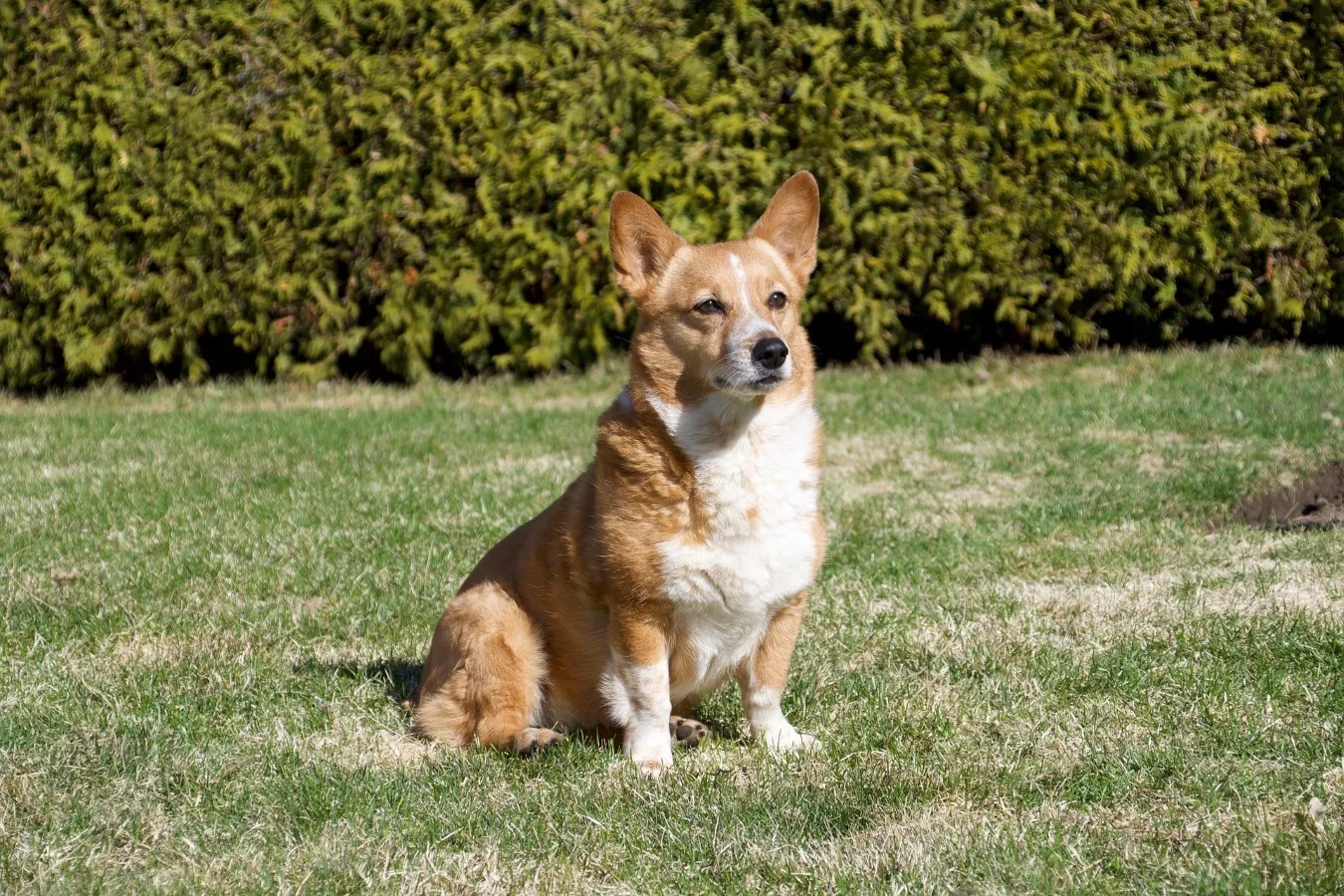
Daily Life With a Cardigan Welsh Corgi
Use ramps instead of letting your Cardigan jump on and off furniture or in and out of the car, and keep exercise steady rather than in sudden bursts after long rest. Discourage repeated stair use in growing puppies. The coat is covered in the grooming profile, and the personality profile describes the alert, loyal temperament. Clear, consistent training also helps, since a dog that comes when called does not need to leap off furniture to chase things.
Keeping Your Cardigan Healthy for the Long Run
Feed measured portions rather than free-feeding, and weigh your dog at vet visits so weight creep is caught early. Screen hips and ask about DM and PRA status before buying, and report any new back pain or hind-leg change without waiting. Many Cardigans live 12 to 15 years when the spine and joints hold up.
Final Thoughts From a Veterinarian
Cardigan Welsh Corgis often live long lives, but their spine is the main risk. Keep them lean, use ramps, and act fast on back pain or hind-leg weakness. Budget roughly $60 to $200 a month. Your veterinarian can tailor the plan.
Health & Costs FAQ
How much do Cardigan Welsh Corgi cost?
First-year cost estimate is $3,200-$6,350.
Purchase cost: 6 / 10
How long do Cardigan Welsh Corgi live?
Cardigan Welsh Corgis commonly live 12 to 15 years. Keeping them lean protects the spine and joints, and regular veterinary checkups help catch problems early.
Life expectancy: 8 / 10
Are Cardigan Welsh Corgi healthy dogs?
Cardigan Welsh Corgis have moderate health concerns. Their long backs make intervertebral disc disease the main risk, and they can also develop hip dysplasia, degenerative myelopathy, and progressive retinal atrophy. Breeder health testing and keeping the dog lean make the biggest difference.
Health: 4 / 10
What health problems do Cardigan Welsh Corgi have?
Intervertebral disc disease (IVDD) due to the long back is the main concern, along with hip dysplasia, degenerative myelopathy (DM), and progressive retinal atrophy (PRA). Weight control and ramps help protect the spine, and a DNA test exists for DM and PRA.
Health problem risk: 7 / 10
Are Cardigan Welsh Corgi expensive to maintain?
Cardigan Welsh Corgis have moderate upkeep costs. Owners should budget for quality food, routine veterinary care, and regular brushing during shedding seasons. The biggest cost risk is spinal or joint disease, so keeping the dog lean and using ramps is worthwhile.
Maintenance cost: 4 / 10
How much does it cost to own a Cardigan Welsh Corgi per month?
Monthly ownership costs are $60-$200.
Monthly ownership cost: 3 / 10
How much does pet insurance cost for a Cardigan Welsh Corgi?
Pet insurance for a Cardigan Welsh Corgi typically costs $40 to $60 per month, depending on coverage level and the dog's age.
Pet insurance cost: 3 / 10
Will homeowners insurance cover a Cardigan Welsh Corgi?
Yes, most homeowners insurance policies cover Cardigan Welsh Corgis, as they are generally not on restricted breed lists. Since every insurer has different guidelines, it is essential to disclose your pet to your provider and confirm that your policy includes adequate liability coverage.
Homeowners insurance difficulty: 9 / 10
Are Cardigan Welsh Corgi on insurance restricted breed lists?
No, Cardigan Welsh Corgis are not commonly found on insurance restricted-breed lists. These lists typically target breeds with perceived higher liability risks or histories of aggression. As a small to medium herding breed, they are generally treated as standard dogs by most insurers, though you should confirm with yours.
Insurance restriction risk: 2 / 10
Can you get renters insurance with a Cardigan Welsh Corgi?
Yes, you can typically get renters insurance with a Cardigan Welsh Corgi. They are rarely included on restricted breed lists, so coverage is likely. Their manageable size suits apartments, though you should always confirm coverage with your insurer and check your lease for pet rules.
Renters insurance difficulty: 8 / 10