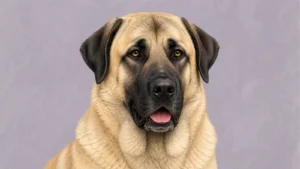
Macedonian Shepherd Dog Karaman Training Profile
Breed Group
Working Dogs
Country of Origin
North Macedonia
Breed Size
Giant
AKC Recognition
No
FCI Recognition
Yes, recognized in 2026
Mental stimulation needs
Average Needs5 / 10
Trainability
7 / 10
Picky eater
Great Eater8 / 10
Easy to train
Willing7 / 10
Training stubbornness
Willing7 / 10
Puppy training
Above Average7 / 10
Training FAQ
Are Macedonian Shepherd Dog Karaman easy to train?
Train your Macedonian Shepherd Dog Karaman puppy with firm, consistent leadership and early socialization. These independent livestock guardians require a confident owner to establish boundaries. Focus on positive reinforcement and patience, ensuring they are exposed to various people and animals to manage their protective instincts as they mature.
Easy to train: 7 / 10
Are Macedonian Shepherd Dog Karaman stubborn to train?
Macedonian Shepherd Dog Karamans are highly intelligent and independent livestock guardians, which can sometimes be mistaken for stubbornness. As independent thinkers bred to protect flocks without constant human direction, they may choose to ignore commands if they don't see a clear purpose. Successful training requires firm, consistent leadership and positive reinforcement to manage their strong-willed and protective nature.
Training stubbornness: 7 / 10
How do you train a Macedonian Shepherd Dog Karaman puppy?
Train your Macedonian Shepherd Dog Karaman puppy with firm, consistent leadership and early socialization. These independent livestock guardians require a confident owner to establish boundaries. Focus on positive reinforcement and patience, ensuring they are exposed to various people and animals to manage their protective instincts as they mature.
Puppy training: 7 / 10
How difficult is potty training in Macedonian Shepherd Dog Karaman?
Train your Macedonian Shepherd Dog Karaman puppy with firm, consistent leadership and early socialization. These independent livestock guardians require a confident owner to establish boundaries. Focus on positive reinforcement and patience, ensuring they are exposed to various people and animals to manage their protective instincts as they mature.
Potty training difficulty: 7 / 10
How many walks does a Macedonian Shepherd Dog Karaman need?
Train your Macedonian Shepherd Dog Karaman puppy with firm, consistent leadership and early socialization. These independent livestock guardians require a confident owner to establish boundaries. Focus on positive reinforcement and patience, ensuring they are exposed to various people and animals to manage their protective instincts as they mature.
Walking need: 1 / 10
What is the best daily routine for a Macedonian Shepherd Dog Karaman?
A Macedonian Shepherd Dog Karaman's daily routine should focus on firm leadership and managing their protective livestock-guardian instincts. Provide moderate physical activity through long walks or territory patrols to satisfy their working nature. Feed adult Karamans twice daily with high-quality food to maintain their large frames. Essential daily care includes early and consistent socialization sessions to expose them to various people and animals, helping them manage their natural suspicion of strangers. Incorporate short training sessions that emphasize clear boundaries and positive reinforcement to maintain their cooperation and respect.
Routine need: 8 / 10
Vet Insights
Macedonian Shepherd Dog Karamans are intelligent, independent livestock guardians requiring firm leadership and early socialization to manage their protective nature. They are loyal but strong-willed, responding best to positive reinforcement and clear boundaries. Their care involves moderate daily exercise like territory patrols, consistent twice-daily feedings, and patient training to ensure a stable, reliable, and cooperative companion.