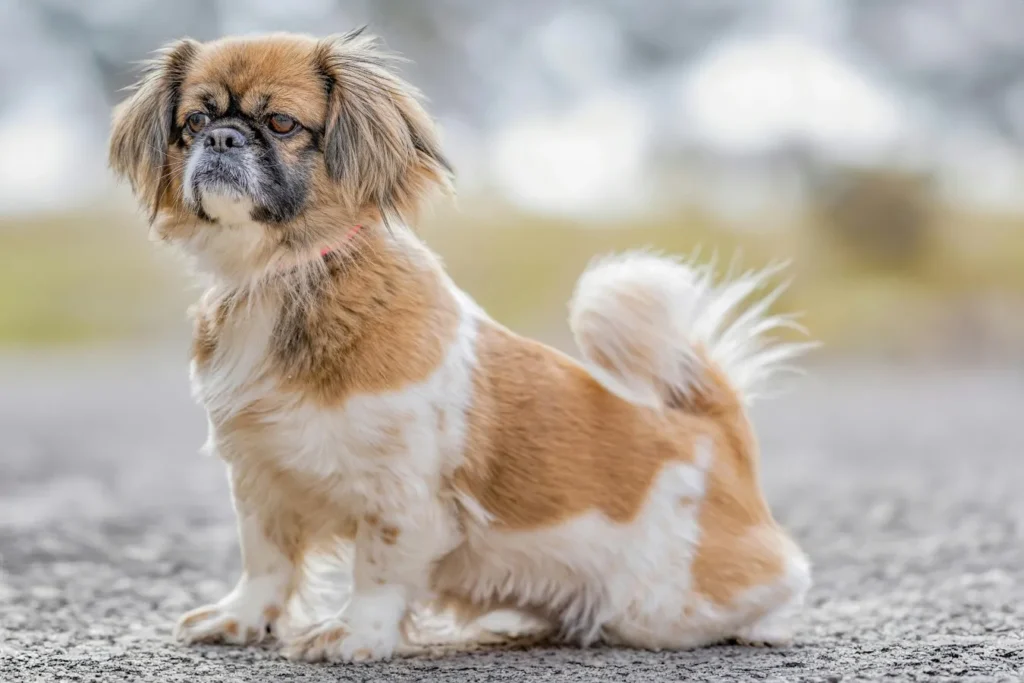
Pekingese Training Profile
Breed Group
Toy Dogs
Country of Origin
China
Breed Size
Toy
AKC Recognition
Yes, recognized in 1906
FCI Recognition
Yes, recognized in 1966
Mental stimulation needs
Very Low1 / 10
Trainability
2 / 10
Picky eater
Picky Eater3 / 10
Easy to train
Very Hard1 / 10
Training stubbornness
Highly Stubborn1 / 10
Puppy training
Needs Patience1 / 10
Training FAQ
Are Pekingese easy to train?
Pekingese are intelligent but notoriously stubborn and independent-minded, making training a challenge. They often prefer doing things on their terms rather than following commands. To succeed, owners must use consistent, positive reinforcement like high-value treats and keep sessions short and fun to maintain their interest.
Easy to train: 1 / 10
Are Pekingese stubborn to train?
Pekingese are highly stubborn and independent, often described as having a royal self-importance. They tend to ignore commands that do not suit them, making training a significant challenge. Success requires extreme patience, consistent leadership, and high-value rewards to motivate their independent spirits and overcome their natural tenacity.
Training stubbornness: 1 / 10
How do you train a Pekingese puppy?
Train your Pekingese puppy using short, engaging sessions and positive reinforcement like treats and praise. Focus on early socialization to manage their wary nature. Use a harness for walks and be patient with potty training, as their stubbornness and small bladders require consistent, reward-based routines.
Puppy training: 1 / 10
How difficult is potty training in Pekingese?
Potty training a Pekingese typically takes at least six months due to their stubborn nature and small bladders. Success requires extreme patience, a rigid schedule, and consistent positive reinforcement. Utilizing crate training and indoor puppy pads can help manage their independent streak and prevent accidents.
Potty training difficulty: 1 / 10
How many walks does a Pekingese need?
Pekingese are low-energy companions requiring about 30 to 60 minutes of daily exercise, primarily through short, leisurely walks. Due to their flat faces, they are highly prone to overheating; always exercise them during cooler hours and avoid overexertion to ensure their respiratory health and comfort.
Walking need: 2 / 10
What is the best daily routine for a Pekingese?
A Pekingese's daily routine should focus on gentle activity and meticulous grooming. Provide 30 to 60 minutes of low-impact exercise, such as two short 20-minute walks during the coolest parts of the day to avoid overheating. Feed adult dogs twice daily and puppies three to four times to prevent low blood sugar and maintain a healthy weight. Essential daily care includes cleaning facial wrinkles and eyes with a damp cloth to prevent infection, along with at least 15 minutes of brushing to manage their dense coat. Incorporate short training sessions with positive reinforcement and avoid allowing them to jump off furniture to protect their spine and joints.
Routine need: 1 / 10
Vet Insights
Pekingese are intelligent but notoriously stubborn, requiring extreme patience and positive reinforcement during training. This low-energy breed needs minimal exercise, typically 30 to 60 minutes of leisurely walking, while avoiding heat. Housebreaking is particularly challenging due to their independent nature. Daily care focuses on meticulous grooming, wrinkle cleaning, and spinal protection to maintain their regal health.