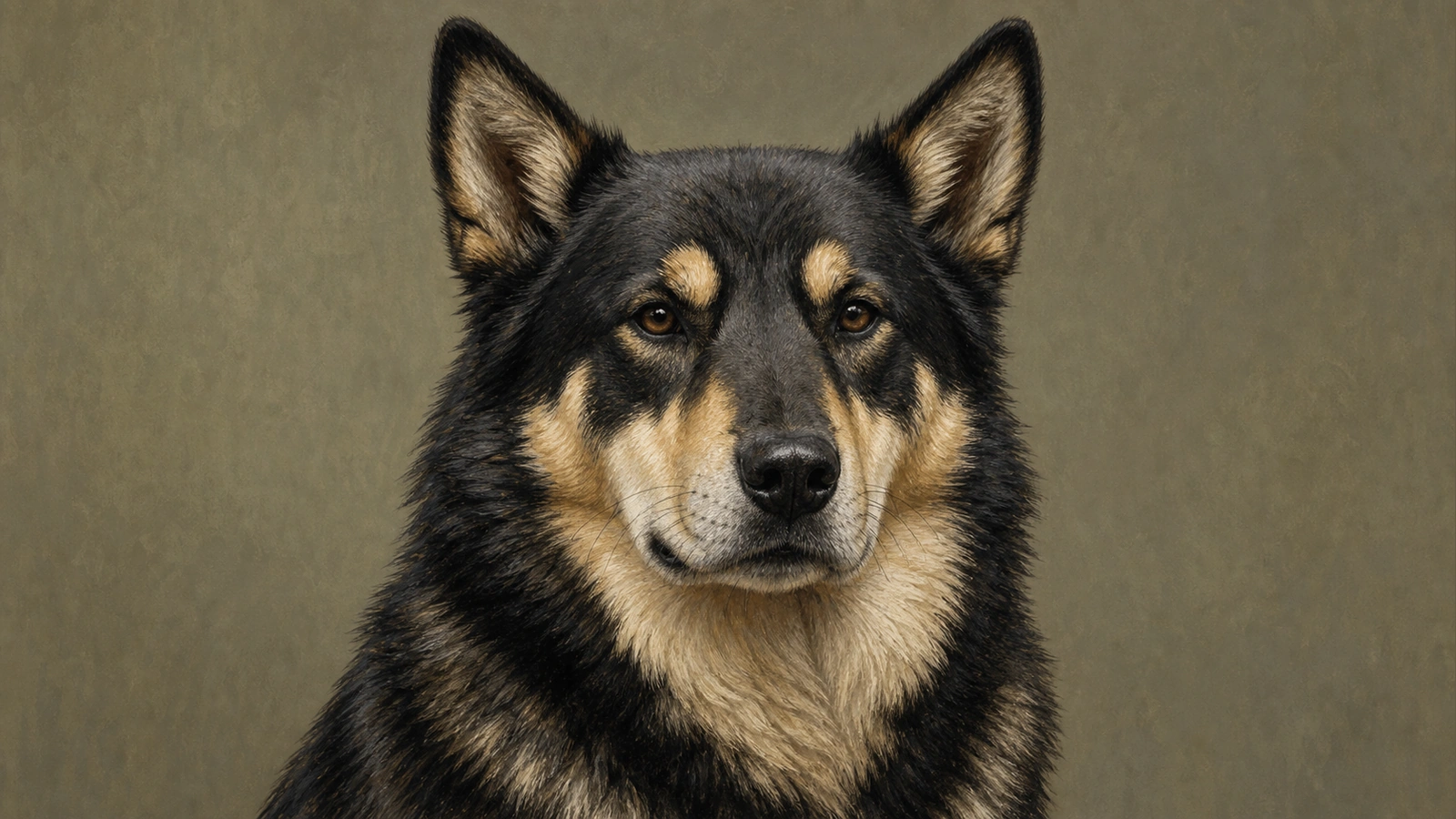
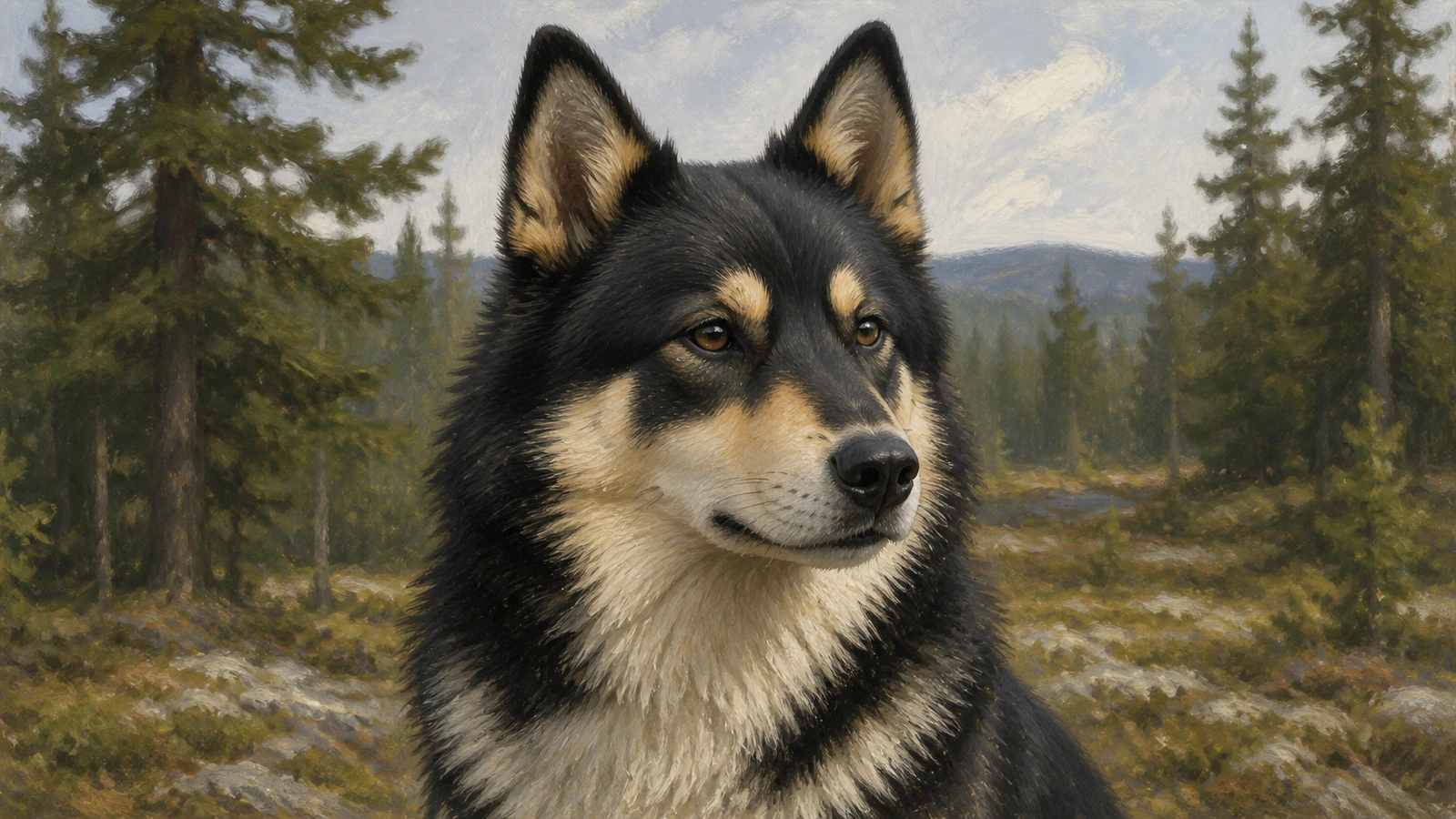
East Siberian Laika - MAIN HUB
BREED GROUP
Spitz Dogs
Country of origin
Russia
BREED SIZE
Large
BREED HEIGHT
21 -
26 IN
53 -
66 cm
BREED WEIGHT
40 -
77 LB
18 -
35 KG
WHAT YOU NEED TO KNOW
american kennel club (AKC) recognition
No
Breed was recognized in 0.

International Canine Federation (FCI) recognition
Yes
Breed was recognized in 1954.
WHAT DO OWNERS WANT TO KNOW?
Are East Siberian Laikas good family dogs?
Above Average
6 out of 10
The East Siberian Laika can be a loyal and protective family companion with a steady, balanced temperament. However, their high energy levels and strong hunting instincts mean they are best suited for active households that can provide significant daily exercise and consistent training.

Are East Siberian Laikas good with kids?
Average
6 out of 10
East Siberian Laikas are generally good with children, especially when raised with them from a young age. While their loyal and playful nature makes them affectionate companions, their large size and high energy require supervised play with younger kids. Proper socialization ensures they see children as part of their pack.
Are East Siberian Laikas good dogs for first time owners?
Not Recommended
6 out of 10
East Siberian Laikas can be a good choice for first-time owners who are active and committed to consistent training. Their loyal and balanced temperament makes them rewarding companions, but their high energy and independent hunting instincts require a significant time investment. Success for a novice owner depends on providing ample physical exercise and early socialization to manage their territorial nature.
Are East Siberian Laikas good apartment dogs?
Below Average
4 out of 10
East Siberian Laikas are generally not recommended for apartment living due to their large size, high energy levels, and vocal nature. While they can adapt to flat life if provided with significant daily exercise and mental stimulation, they thrive best in rural settings with plenty of outdoor space to roam and satisfy their strong hunting instincts. Owners in smaller living environments must commit to multiple long walks and active engagement to prevent boredom and potential destructive behavior.
Do East Siberian Laikas need a yard?
High
3 out of 10
A yard is highly recommended for an East Siberian Laika to accommodate their high energy levels and strong hunting instincts. While they can adapt to other living situations if provided with significant daily exercise and mental stimulation, a large, secure outdoor space allows them to roam safely and helps prevent boredom and destructive behavior.
Can East Siberian Laikas be left at home alone?
Average
5 out of 10
East Siberian Laikas are highly social within their pack and generally balanced in character, but they are independent and possess strong hunting instincts. While they can tolerate moderate periods of solitude if well-exercised, they thrive best in active environments where they have a job to do or consistent human companionship to prevent boredom and potential territorial behavior.
Do East Siberian Laikas tolerate cats well?
Good
6 out of 10
East Siberian Laikas can coexist with cats, especially when socialized with them from a young age. However, their strong hunting background and high prey drive mean they may naturally be inclined to chase smaller animals. Owners should ensure introductions are gradual and supervised, providing the cat with safe, elevated spaces to escape if needed.
Are East Siberian Laikas known to be aggressive?
Balanced
5 out of 10
East Siberian Laikas are not inherently aggressive but are naturally territorial and independent protectors. While generally friendly toward people, their strong hunting instincts and guarding nature mean they can be wary of strangers or other dogs. Early socialization and consistent, firm training are essential to ensure their balanced temperament and to prevent protective behaviors from escalating into aggression.
Do East Siberian Laikas have a lot of energy?
Active
6 out of 10
East Siberian Laikas are high-energy working dogs that require substantial daily exercise and mental stimulation to thrive. Originally bred for hunting and sledding in the Siberian taiga, they possess boundless stamina and need active outlets like long walks, hikes, or structured jobs to prevent boredom and destructive behaviors.
How much exercise do East Siberian Laikas need?
~120+ min a day
6 out of 10
East Siberian Laikas require at least 60 minutes of vigorous daily exercise, such as long walks, hikes, or jogging, to manage their high energy levels and stamina. As intelligent working dogs, they also need regular mental stimulation through scent games or structured tasks to prevent boredom-induced behaviors. Providing these active outlets ensures this hardy breed remains a balanced and loyal companion.
Do East Siberian Laikas tolerate hot weather well?
Very Poor
2 out of 10
East Siberian Laikas have a low tolerance for hot weather due to their thick double coats, which are designed for the harsh Siberian climate. They are prone to overheating in high temperatures, making it essential for owners to provide constant access to shade, fresh water, and a cool indoor environment. Exercise should be limited to the early morning or late evening hours to ensure their safety and comfort during warmer months.
Are East Siberian Laikas good with cold weather?
Very Poor
2 out of 10
East Siberian Laikas have a low tolerance for hot weather due to their thick double coats, which are designed for the harsh Siberian climate. They are prone to overheating in high temperatures, making it essential for owners to provide constant access to shade, fresh water, and a cool indoor environment. Exercise should be limited to the early morning or late evening hours to ensure their safety and comfort during warmer months.
Are East Siberian Laikas sometimes banned from rentals?
Often Restricted
4 out of 10
East Siberian Laikas are often subject to apartment breed bans due to their large size, high energy levels, and vocal nature. Many landlords and insurance companies classify them as high-risk or unsuitable for multi-family housing. Prospective owners should always check specific building policies and local regulations, as these restrictions are common for large, independent hunting breeds regardless of their individual temperament.
WHAT DO OWNERS WANT TO KNOW?