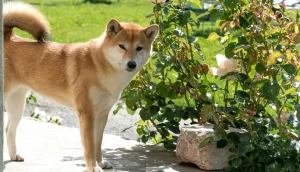
East Siberian Laika Training Profile
Breed Group
Spitz Dogs
Country of Origin
Russia
Breed Size
Large
AKC Recognition
No
FCI Recognition
Yes, recognized in 1954
Mental stimulation needs
Above Average7 / 10
Trainability
6 / 10
Picky eater
Average6 / 10
Easy to train
Moderate6 / 10
Training stubbornness
Moderate6 / 10
Puppy training
Average6 / 10
Training FAQ
Are East Siberian Laika easy to train?
East Siberian Laikas are moderately easy to train but possess a strong independent streak typical of hunting breeds. While intelligent and capable of learning complex tasks, they require consistent, firm leadership and positive reinforcement. They respond best to variety and meaningful work rather than repetitive, boring drills.
Easy to train: 6 / 10
Are East Siberian Laika stubborn to train?
East Siberian Laikas possess a notable independent streak and a strong-willed nature typical of primitive hunting breeds. While they are not inherently disobedient, they are independent thinkers who may choose to follow their own instincts over commands if they find a task repetitive or uninteresting. Successful training requires consistent, firm leadership and a variety of engaging, reward-based methods to overcome their natural inclination to work on their own terms.
Training stubbornness: 6 / 10
How do you train a East Siberian Laika puppy?
Train your East Siberian Laika puppy using consistent, firm leadership and positive reinforcement. Their moderate trainability means they learn well but possess an independent streak. Focus on early socialization and basic obedience to manage their hunting instincts. Keep sessions engaging and varied to maintain interest while building a strong bond.
Puppy training: 6 / 10
How difficult is potty training in East Siberian Laika?
Potty training an East Siberian Laika is generally straightforward, typically taking 4 to 6 months. While they are intelligent and primitive, their independent nature requires a consistent schedule and firm leadership. Using crate training and positive reinforcement will help these hardy dogs successfully master household rules.
Potty training difficulty: 7 / 10
How many walks does a East Siberian Laika need?
East Siberian Laikas are high-energy working dogs requiring significant daily activity to remain healthy. They benefit from at least 60 minutes of vigorous exercise, such as long hikes, runs, or pulling sports. Due to their strong hunting instincts and territorial nature, always keep them on a leash or within a secure, heavy-duty fence.
Walking need: 7 / 10
What is the best daily routine for a East Siberian Laika?
An East Siberian Laika's daily routine should focus on vigorous physical activity and consistent mental engagement. Provide at least 60 minutes of high-intensity exercise, such as long hikes, jogging, or pulling sports, while always ensuring they are in a securely fenced area or on a leash. Feed adults twice daily with high-quality, protein-rich food to maintain their athletic condition. Essential daily care includes brushing their dense double coat once or twice a week—increasing to daily during shedding seasons—plus short, varied training sessions using positive reinforcement to manage their independent nature. Given their strong hunting instincts, ensure they have a secure environment to prevent roaming and boredom-driven destruction.
Routine need: 9 / 10
Vet Insights
East Siberian Laikas are intelligent, independent hunters requiring firm leadership and varied, reward-based training. They have high mental stimulation and exercise needs, benefiting from vigorous activities like hiking or pulling sports. While potty training is straightforward, their strong hunting instincts and thick double coats necessitate a structured routine involving early socialization, consistent grooming, and secure environments to prevent roaming.