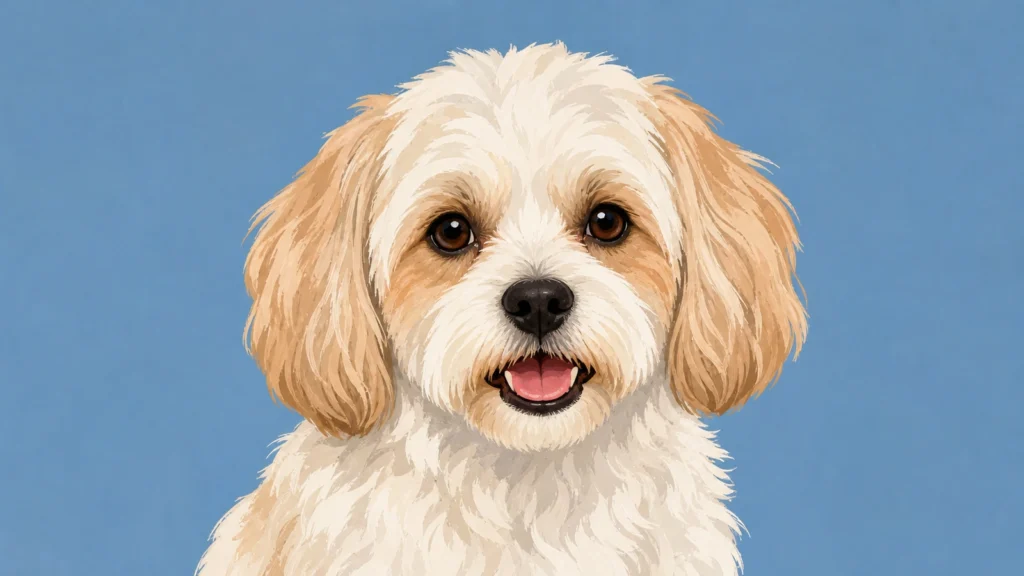
Teddy Bear (Shichon)
Breed Group
Hybrid Dogs
Country of Origin
United States
Breed Size
Small
AKC Recognition
No
FCI Recognition
No
Family dog
Above Average6 / 10
Good with kids
Average6 / 10
First-time owner
Good6 / 10
Apartment dog
Very Good7 / 10
Yard need
Low7 / 10
Can be left alone
Very Good8 / 10
What Do Owners Want to Know?
Are Shichon good family dogs?
The Teddy Bear is an excellent family dog due to its highly social and affectionate nature, thriving on the human interaction typical of a family setting. Their adaptability allows them to fit well into various household sizes and living situations, provided they receive regular companionship and daily stimulation.
Family dog: 6 / 10
Are Shichon good with kids?
Teddy Bears are excellent with children, known for their sweet, patient, and gentle personalities. They are playful companions that enjoy running around and bonding with kids of all ages. Due to their small size, they can be easily injured, so supervision is recommended to ensure children handle them gently and safely.
Good with kids: 6 / 10
Are Shichon good for first-time owners?
Schichons are an excellent choice for first-time owners because they are intelligent, eager to please, and relatively easy to train. Their sweet temperament and highly adaptable nature allow them to fit seamlessly into various households, from small apartments to busy family homes. While they require consistent positive reinforcement and regular grooming, their affectionate and social personality makes them rewarding and manageable companions for novice pet parents.
First-time owner: 6 / 10
Are Shichon good apartment dogs?
Teddy Bears are excellent for apartment living due to their compact size, quiet nature, and adaptable personalities. They thrive in smaller spaces and can easily satisfy their exercise needs with indoor play and short daily walks, making them ideal companions for city dwellers.
Apartment dog: 7 / 10
Do Shichon need a yard?
A yard is not strictly required for a Teddy Bear (Shichon), as they are small, adaptable dogs that can thrive in homes without a large backyard. While they are playful and enjoy running, their exercise needs can be met through daily walks and indoor play, making them well-suited for apartment living or smaller houses.
Yard need: 7 / 10
Can Shichon be left alone?
Teddy Bear (Shichon) dogs are highly social companions that bond intensely with their owners, making them prone to separation anxiety. While they can be trained to tolerate being alone for moderate periods of 4 to 6 hours, they thrive best in households where someone is frequently present to provide interaction and prevent boredom-induced behaviors like excessive barking.
Can be left alone: 8 / 10
Are Shichon good with cats?
Teddy Bear (Shichon) dogs generally coexist very well with cats due to their gentle, sociable, and patient temperaments. Because they have a low prey drive and are rarely aggressive, they typically form harmonious bonds with other pets, especially when socialized from a young age. Their playful yet affectionate nature makes them a sweet and non-threatening addition to multi-pet households.
Good with cats: 8 / 10
Are Shichon aggressive?
Teddy Bear (Shichon) dogs are renowned for their sweet, gentle, and happy-go-lucky personalities, making them unlikely to show aggression. They are highly social butterflies that generally get along well with everyone, including children and other pets. While they possess a calm and approachable demeanor, consistent early socialization is important to ensure they remain confident and well-behaved around unfamiliar people and environments.
Aggression tendency: 8 / 10
Are Shichon high-energy dogs?
Teddy Bear dogs have moderate energy levels, typically requiring around 30 to 60 minutes of daily activity. They are playful and lively, enjoying bursts of energy through short walks and indoor play sessions like fetch or tug-of-war. Despite their active spirit, they are also happy to relax and cuddle, making them adaptable companions that balance spirited playtime with periods of calm.
Energy level: 6 / 10
How much exercise does a Shichon need?
Teddy Bear (Shichon) dogs require moderate daily exercise, typically needing about 30 to 45 minutes of activity. A combination of short walks and interactive indoor play is ideal for meeting their physical and mental needs. Regular daily stimulation is essential to prevent boredom and ensure these small, social companions remain healthy and well-behaved.
Exercise need: 4 / 10
Can Shichon live in hot weather?
Teddy Bear dogs are highly sensitive to extreme heat due to their thick coats and small size, which can lead to rapid overheating. Owners should provide constant access to fresh water and shade, use air conditioning indoors, and limit outdoor activities to the cooler early morning or late evening hours to prevent heatstroke.
Hot weather tolerance: 2 / 10
Can Shichon live in cold weather?
Teddy Bear dogs have a moderate tolerance for cold but lack a dense insulating undercoat, making them sensitive to freezing temperatures. Owners should provide a warm sweater or coat for outdoor walks when temperatures drop below 45 degrees Fahrenheit and limit exposure during extreme cold to prevent hypothermia and frostbite. Ensuring their paws are dry and protected from ice and salt is also essential for their winter comfort.
Cold weather tolerance: 5 / 10
Are Shichon banned in apartments or rentals?
Teddy Bear dogs are generally at low risk for apartment breed bans because they are small, designer hybrids that typically fall well under standard weight limits. Their reputation as quiet, gentle companions makes them widely accepted by landlords and property managers. However, because they are not a standardized breed, owners should always confirm individual rental policies regarding pet weight, deposits, or specific insurance requirements for hybrid dogs.
Rental restriction risk: 7 / 10
Vet Insights
Schichons is a generally healthy and long-lived hybrid, but as a veterinarian, I focus on monitoring for conditions inherited from its Shih Tzu and Bichon Frise lineage. Small-breed concerns like patellar luxation, dental overcrowding, and periodontal disease are common, making daily teeth brushing essential. I also prioritize screening for hip dysplasia, hypothyroidism, and eye issues such as cataracts and tear staining. Owners should be vigilant about ear infections due to their floppy, hairy ears and monitor for signs of bladder stones or respiratory distress. Maintaining a lean body weight through controlled portions and regular 30-60 minute exercise sessions is critical to prevent joint strain and obesity. Given their social nature, early socialization and consistent positive reinforcement are recommended to manage potential stubbornness and separation anxiety.