Skip to content

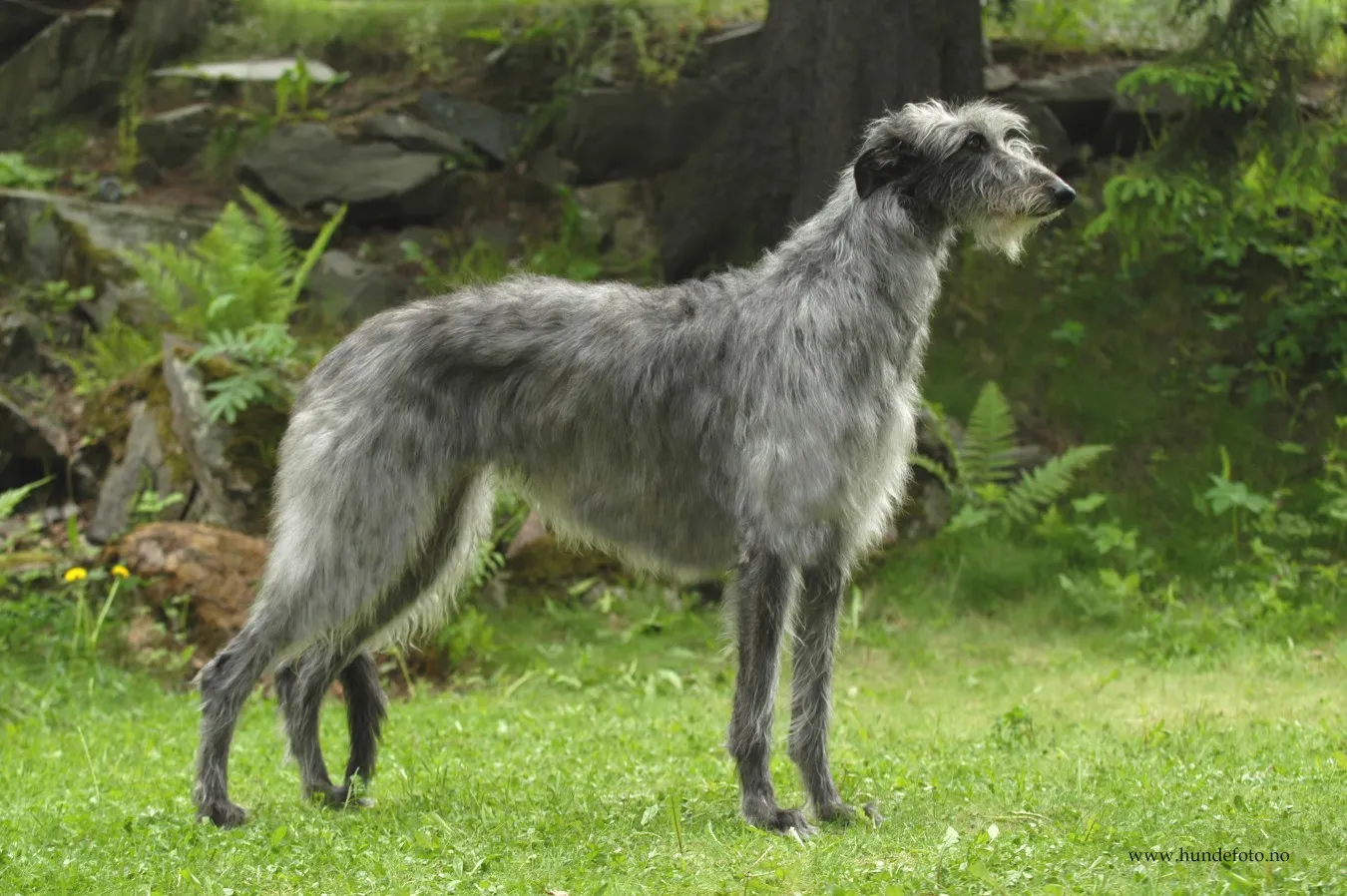
Scottish Deerhound Grooming Profile

Weekly brushing manages the wiry coat. Growth height stops by 18 months, but muscle development continues until age three.
COAT TYPE

Wire/Rough

SHEDDING

Moderate

GROOMING SKILL

Easy

TRAINING FAQ

Are Scottish Deerhounds hypoallergenic?
SCORE
0 /10

Worst Choice; they are not hypoallergenic and are moderate shedders

Scottish Deerhounds are not hypoallergenic. Their wiry coat sheds moderately and produces dander, which can trigger allergies in sensitive individuals.

SCORE
0 /10

Moderate

Scottish Deerhounds are moderate shedders. They lose hair consistently year-round, requiring regular brushing to remove dead hair and keep the coat healthy.

SCORE
0 /10

10 mins/week

Scottish Deerhounds need moderate grooming. Brushing once or twice a week is usually sufficient to maintain their harsh, wiry coat and prevent tangles. Dead hair needs to be hand-stripped or pulled out twice a year.

SCORE
0 /10

Moderate

Scottish Deerhounds are moderate-maintenance. They need space to run and daily exercise, but are calm indoors. Their grooming needs are relatively simple.

SCORE
0 /10

Giant

Scottish Deerhounds are giant, elegant dogs. Males stand 30-32 inches and weigh 85-110 pounds, while females are slightly smaller and typically range from 75 to 95 pounds.

SCORE
0 /10

3-4 years

Scottish Deerhounds reach full height by 18 months but continue to fill out and gain muscle until full maturity is reached by 4 to 5 years of age.

SCORE
0 /10

5-8 cups

Adult Scottish Deerhounds need 5 to 8 cups of high-quality dry food daily, divided into two meals. Adult males often require significantly more than 4 cups daily to maintain weight. Feed carefully to avoid bloat.

SCORE
0 /10

3 meals/day

Scottish Deerhound puppies require 3-4 meals daily until six months of age, then transition to 3 meals until twelve months. Recommend 3-4 meals daily until six months of age, then transition to 3 meals until twelve months.

VET INSIGHTS

Scottish Deerhounds are giant, gentle sighthounds that reach full maturity between age four and five. They are moderate shedders with wiry coats requiring weekly brushing. Despite their massive size, they are calm indoors but need significant daily exercise. Owners must manage their 5-8 cup daily diet carefully to prevent bloat while supporting their large athletic frames.


Photo
Reviewed by
Dr. Vojtech Gabriel
DVM · PhD · MBA
Veterinarian Researcher Dog breed specialist
Verified

Explore Other Breed GROOMING PROFILES