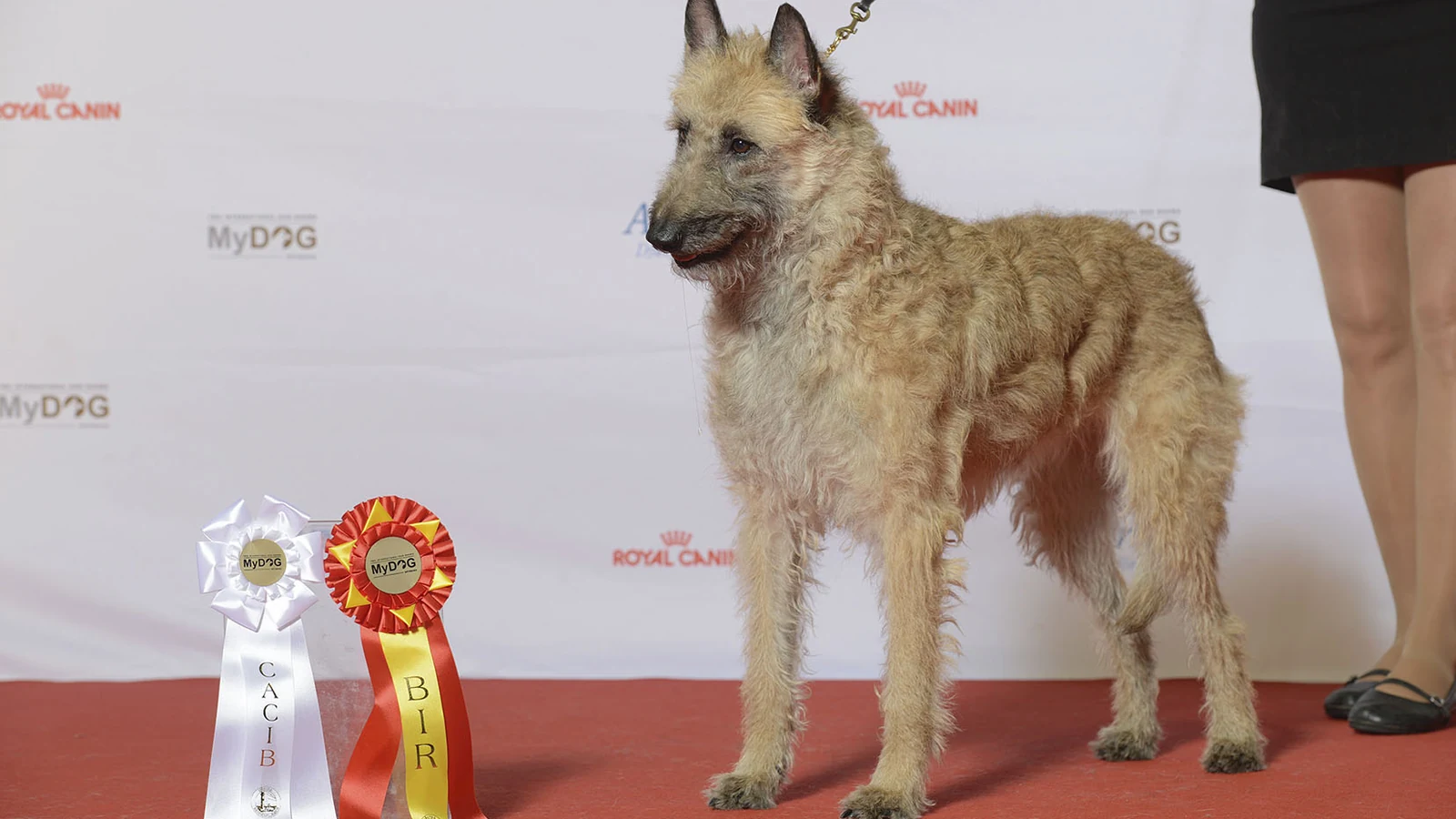
Belgian Laekenois Grooming Profile
COAT TYPE
Wire/Rough
SHEDDING
Moderate
GROOMING SKILL
Moderate
TRAINING FAQ
Are Belgian Laekenois hypoallergenic?
Fair
Belgian Laekenois are considered to have moderate allergy-friendly tendencies. They possess a wire/rough coat that has moderate shedding. Their grooming needs are moderate.
Do Belgian Laekenois shed a lot?
Average
Belgian Laekenois are moderate shedders. Their rough, wiry coat sheds moderately year-round, requiring regular brushing to manage loose hair.
How often should you groom your Belgian Laekenois?
1 hour/week
To maintain a Belgian Laekenois's distinctive rough, wiry coat, brush them two to three times weekly. Schedule professional grooming every six to eight weeks for clipping or hand-stripping. Daily beard cleaning and monthly nail trims are also essential for health.
Are Belgian Laekenois low maintenance dogs?
Moderate
Belgian Laekenois are moderate-maintenance dogs. Their wiry coats require weekly brushing and professional grooming every two months to prevent mats. Additionally, their independent and spirited nature demands consistent daily exercise and mental stimulation to prevent boredom.
How big do Belgian Laekenois get?
Large
Belgian Laekenois are large, sturdy dogs with a compact and muscular build. Adult males typically weigh between 55 and 65 pounds and stand 24-26 inches tall, while females range from 45 to 55 pounds and stand 22-24 inches tall.


When do Belgian Laekenois usually stop growing?
30-36 months
While height is mostly reached by 18 months, Belgian Laekenois typically fill out and reach full physical maturity by age three.
How much should a Belgian Laekenois eat?
2-2.5 cups
Adult Belgian Laekenois typically require 2 to 2.5 cups of high-quality dry food daily, divided into two meals. Because they are prone to weight gain, precise portion control is essential. Monitor their condition closely and adjust intake based on their specific age and activity level.
How often should a Belgian Laekenois eat?
3 meals/day
Belgian Laekenois puppies require frequent, small meals to support their rapid growth and high energy levels. It is generally recommended to feed them three to four times daily until they reach six months of age.