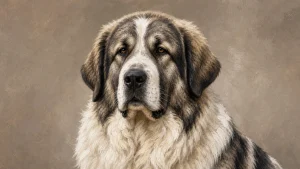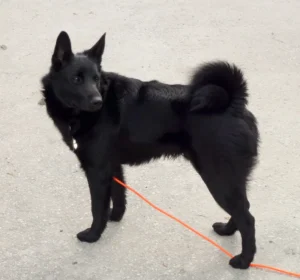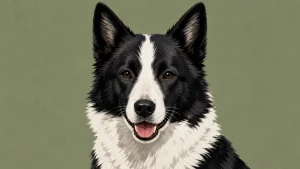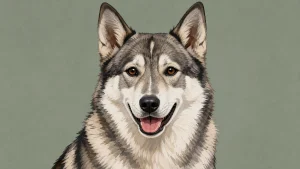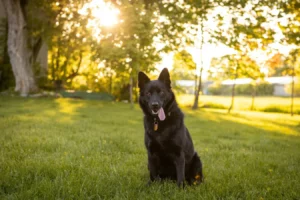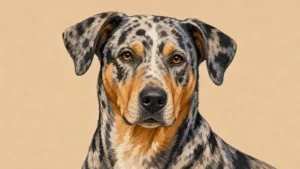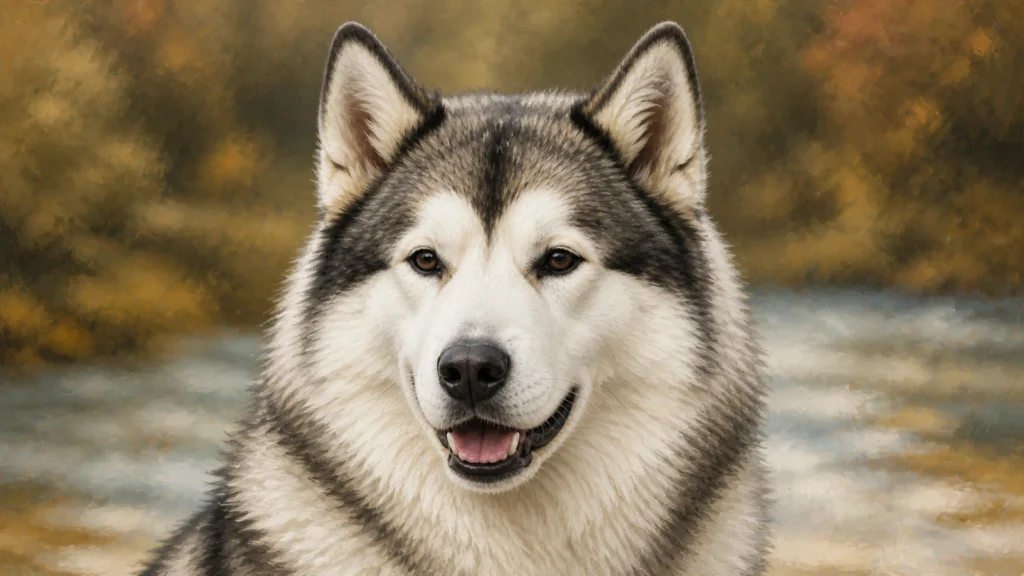
Greenland Dog Grooming Profile
Breed Group
Spitz Dogs
Country of Origin
Greenland
Breed Size
Large
AKC Recognition
No
FCI Recognition
Yes, recognized in 1967
Allergy-friendly
Worst Choice2 / 10
Shedding
Very High2 / 10
Grooming need
30 mins/week7 / 10
Low-maintenance
Hard2 / 10
Size
Giant10 / 10
Growth timeline
30-36 months8 / 10
Grooming FAQ
Are Greenland Dog hypoallergenic or allergy-friendly?
Greenland Dog are considered to have moderate allergy-friendly tendencies. They possess a double coat that has high shedding. Their grooming needs are moderate.
Allergy-friendly: 2 / 10
Do Greenland Dog shed?
Greenland Dog have a double coat with high shedding. Overall, their shedding level is considered very high. Regular grooming is recommended to manage loose hair.
Shedding: 2 / 10
How often should you groom a Greenland Dog?
Greenland Dog.
Grooming need: 7 / 10
Are Greenland Dog low-maintenance dogs?
Saint Bernards are high-maintenance dogs due to their massive size, heavy year-round shedding, and frequent drooling. They require brushing several times a week, regular wrinkle cleaning, and significant space. While they have moderate exercise needs, their grooming and health requirements demand substantial time and commitment from owners.
Low-maintenance: 2 / 10
How big do Greenland Dog get?
Saint Bernards are a truly giant breed, with males typically standing 28 to 30 inches tall and females 26 to 28 inches. Weighing between 120 and 180 pounds, these powerful dogs require ample living space and a sturdy home to accommodate their massive, muscular frame.
Size: 10 / 10
When do Greenland Dog stop growing?
Greenland Dog.
Growth timeline: 8 / 10
How much should a Greenland Dog eat?
Greenland Dog.
Feeding amount: 10 / 10
How often should a Greenland Dog puppy eat?
Greenland Dog puppies should be fed 3 meals/day to support their rapid growth and high energy levels. Consult your veterinarian for a specific feeding schedule.
Puppy feeding frequency: 3 / 10
Vet Insights
Greenland Dogs are powerful, slow-maturing athletes that reach full physical maturity by age three. They possess a thick double coat that sheds heavily, requiring weekly brushing, significant space, and 4 to 8 cups of daily food to support their active nature.