Skip to content

Dachshund - MAIN HUB

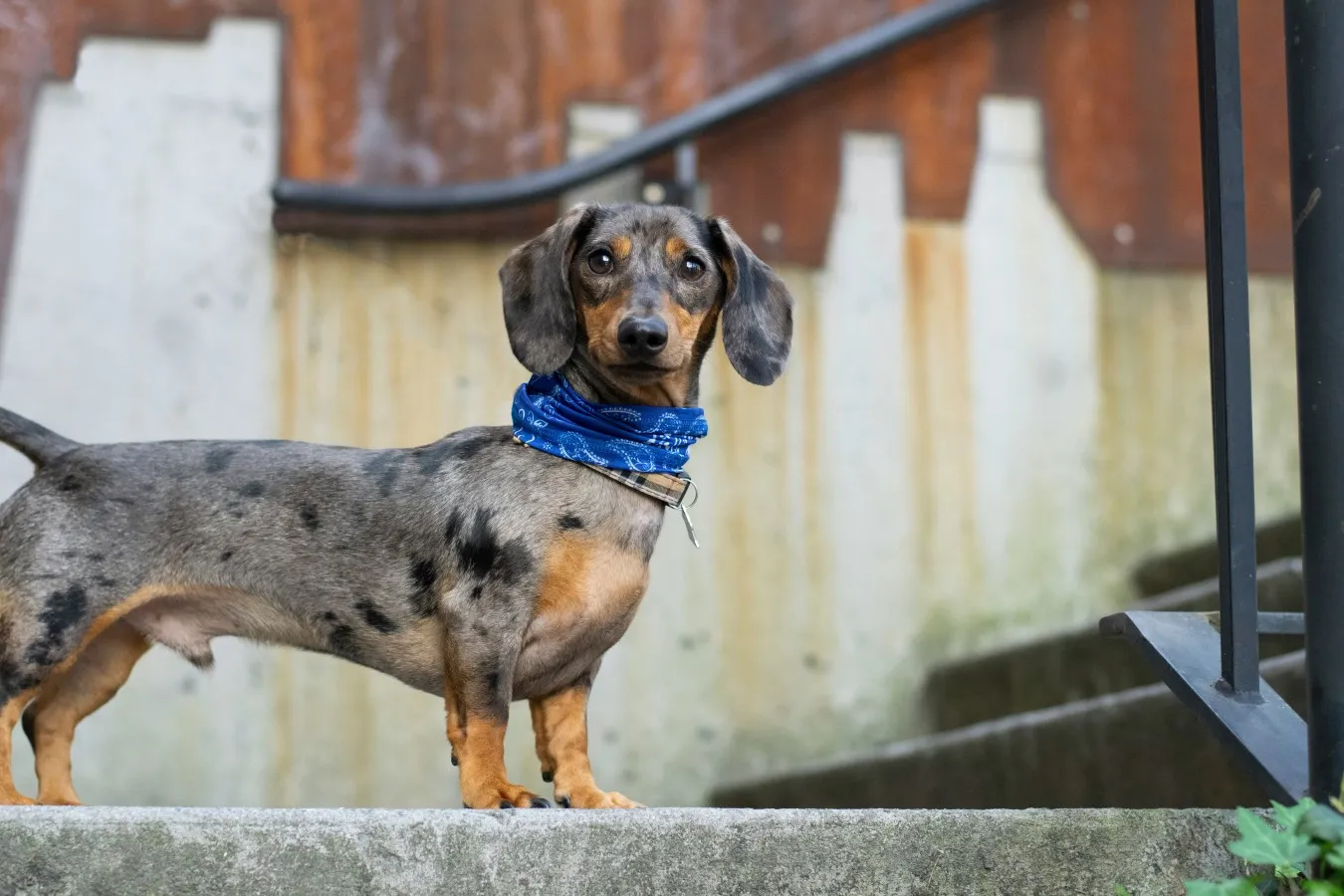
The spunky Dachshund is a loyal, “big dog” in a small package. These clever, courageous “wiener dogs” bring endless joy and a touch of mischief home!

BREED GROUP

Companion Dogs

Country of origin

Germany

BREED SIZE

Small

BREED HEIGHT

8 -

9 IN

20 -

23 cm

BREED WEIGHT

11 -

32 LB

5 -

15 KG

WHAT YOU NEED TO KNOW

The Dachshund, famously known as the "wiener dog," is a courageous and independent breed originating from Germany. Originally bred to hunt badgers, their iconic long bodies and short legs make them excellent diggers. They come in standard and miniature sizes with smooth, longhaired, or wirehaired coats. While loyal and spirited companions, they can be stubborn and vocal, requiring patient, positive training. Owners must prioritize weight management and avoid high jumping to protect their vulnerable spines from intervertebral disc disease, ensuring a healthy lifespan of 12 to 16 years. Standard Dachshunds are ideally suited for families with older children, as their vulnerable spines make them less suitable for the rough play typical of toddlers.
american kennel club (AKC) recognition

Yes

Breed was recognized in 1885.

International Canine Federation (FCI) recognition

Yes

Breed was recognized in 1955.
WHAT DO OWNERS WANT TO KNOW?

Are Dachshunds good family dogs?

Above Average

6 out of 10

Dachshunds are loyal and spirited companions that can make good family pets for those prepared to handle their stubborn and vocal nature through patient training. Families must also be vigilant about protecting the breed's vulnerable spine by managing their weight and preventing them from jumping from high surfaces. Standard Dachshunds are ideally suited for families with older children, as their vulnerable spines make them less suitable for the rough play typical of toddlers.

Excellent

10 out of 10

Dachshunds are generally excellent with children, forming strong, loyal bonds through their playful and affectionate nature. Their small size makes them ideal for homes with kids. However, children must be taught to handle them gently to protect their sensitive backs, and supervision is always recommended for safety.

Good

6 out of 10

Dachshunds can be good for first-time owners who are prepared for their specific needs. They are affectionate and loyal but famously stubborn, making training a challenge for novices. Patience and consistency are essential to manage their independent streak and ensure they become well-behaved companions.

Exceptional

10 out of 10

Dachshunds are excellent apartment dogs due to their compact size and moderate exercise needs. They adapt well to small spaces and enjoy indoor play. However, their tendency to bark loudly and frequently requires consistent training to ensure they remain considerate neighbors in close living environments.

Not Required

10 out of 10

A yard is not strictly required for a Dachshund, as they can adapt well to apartment living with regular walks. However, a secure yard is highly beneficial for their natural digging instincts. Owners must ensure fencing is buried deep to prevent these expert diggers from escaping.

Not Recommended

1 out of 10

Dachshunds are highly social and form deep bonds, making them prone to separation anxiety. While they can tolerate being alone for short periods, prolonged isolation often leads to destructive behavior or excessive barking. They thrive best in households where they receive consistent companionship and mental stimulation throughout the day.

Great

8 out of 10

Dachshunds generally coexist well with cats, especially when raised together from a young age. While their hunting background can trigger a chase instinct, early socialization and consistent training usually result in a friendly, harmonious household. Always supervise initial introductions to ensure a safe and positive relationship.

Aggressive Tendencies

1 out of 10

Dachshunds are surprisingly ranked among the most aggressive breeds toward strangers and other dogs. Originally bred for fierce badger hunting, they possess a strong-willed, protective nature. Early socialization and consistent training are essential to manage their independent spirit and prevent snappy behavior or territorial guarding.

Moderate

5 out of 10

Dachshunds are surprisingly energetic and spunky for their size. Originally bred as independent hunters, they possess high energy levels and require regular daily exercise, like brisk walks and playtime, to maintain a healthy weight and build core muscles that support their unique, long spines.

~45 min a day

5 out of 10

Adult Dachshunds typically require 30 to 60 minutes of daily exercise to maintain a healthy weight and support spinal health. This should include brisk walks and interactive play like fetch. Since they are prone to back issues, avoid high-impact activities or jumping to keep them fit and happy.

Very Good

7 out of 10

Dachshunds can tolerate warm weather but are vulnerable to overheating due to their low-to-the-ground bodies. Their short legs keep them close to hot pavement, increasing heat absorption. Always provide shade, fresh water, and avoid walking during peak sun hours to prevent heatstroke in this breed.

Very Good

7 out of 10

Dachshunds can tolerate warm weather but are vulnerable to overheating due to their low-to-the-ground bodies. Their short legs keep them close to hot pavement, increasing heat absorption. Always provide shade, fresh water, and avoid walking during peak sun hours to prevent heatstroke in this breed.

Never Banned

10 out of 10

Dachshunds are rarely restricted by apartment breed bans due to their small size, which typically falls under weight limits. However, their tendency for vocal barking can lead to noise complaints. Potential owners should prioritize socialization and consistent training to ensure they remain polite and welcome neighbors in shared housing.

WHAT DO OWNERS WANT TO KNOW?


Photo
Reviewed by
Dr. Vojtech Gabriel
DVM · PhD · MBA
Veterinarian Researcher Dog breed specialist
Verified

"Dachshunds are a wonderful, spirited breed, but their unique anatomy requires specific care. Their most significant health risk is Intervertebral Disc Disease (IVDD) due to their long spines; I strongly advise using ramps and discouraging jumping to prevent paralysis. Obesity is another major concern, as extra weight puts dangerous strain on their backs. Regular, low-impact exercise and strict portion control are essential. You should also monitor for dental disease, which is common in the breed, and schedule annual checkups to screen for heart murmurs, Cushing’s disease, and potential eye issues like glaucoma or cataracts."

Other Companion Dogs