Skip to content

Pug - MAIN HUB

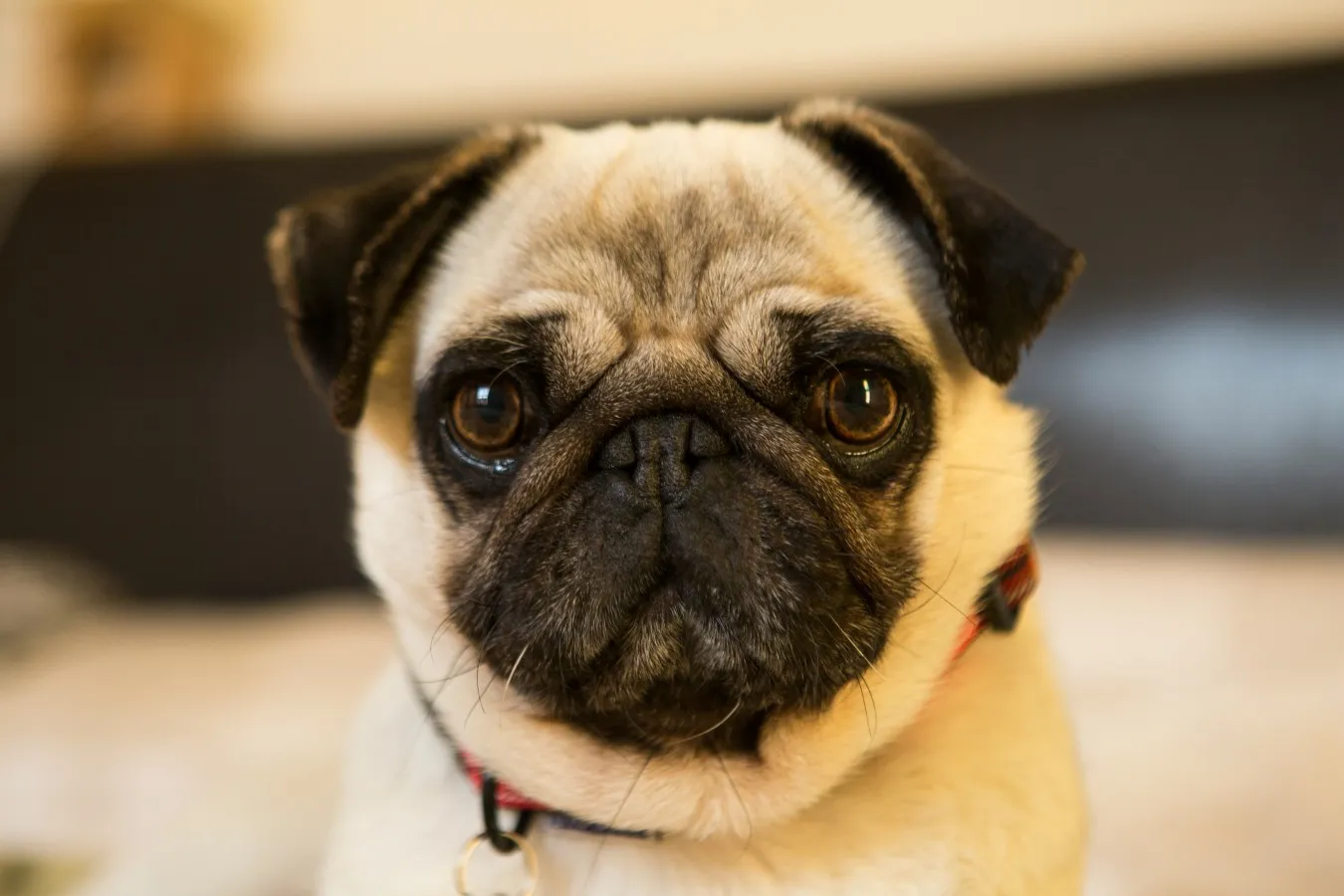
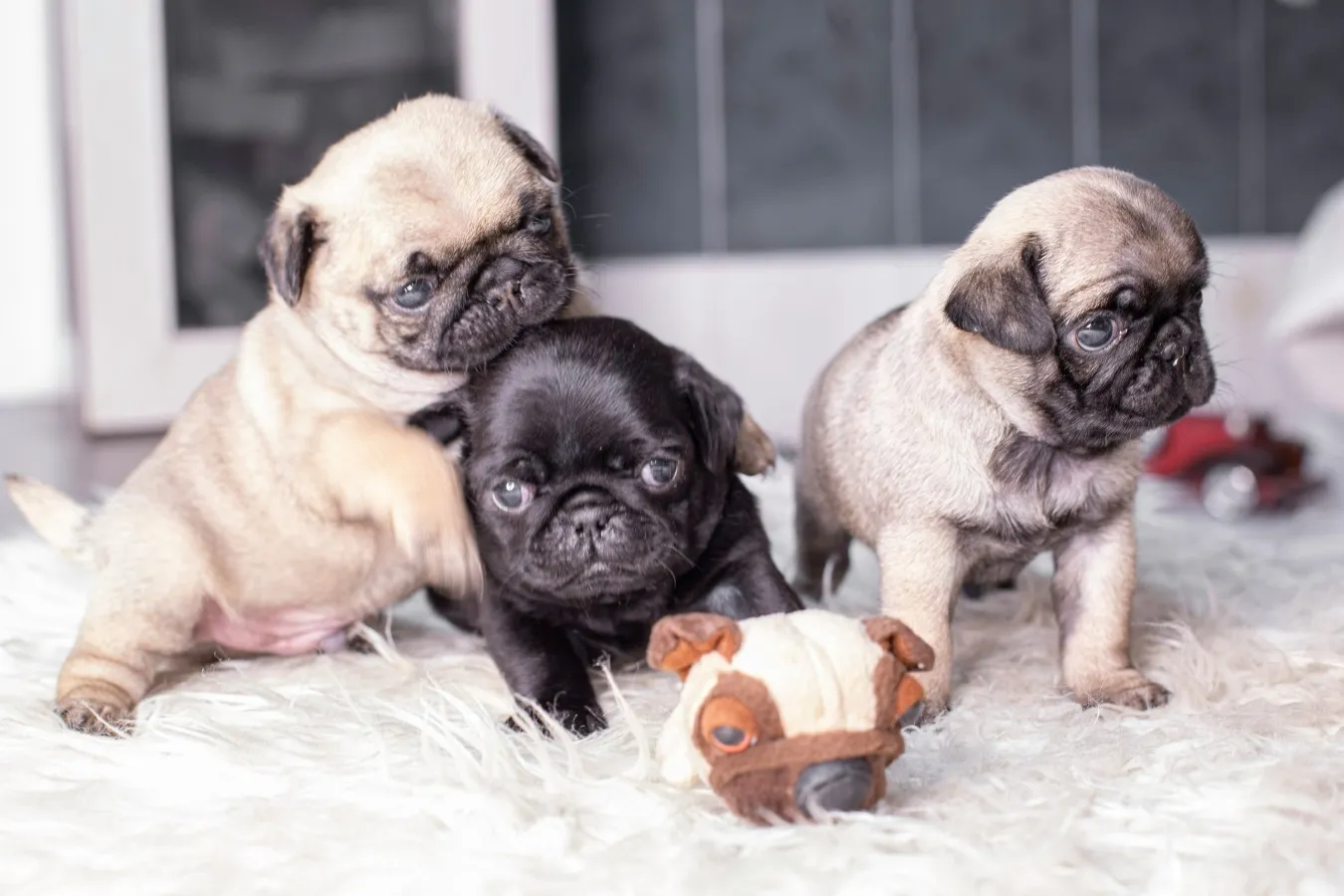
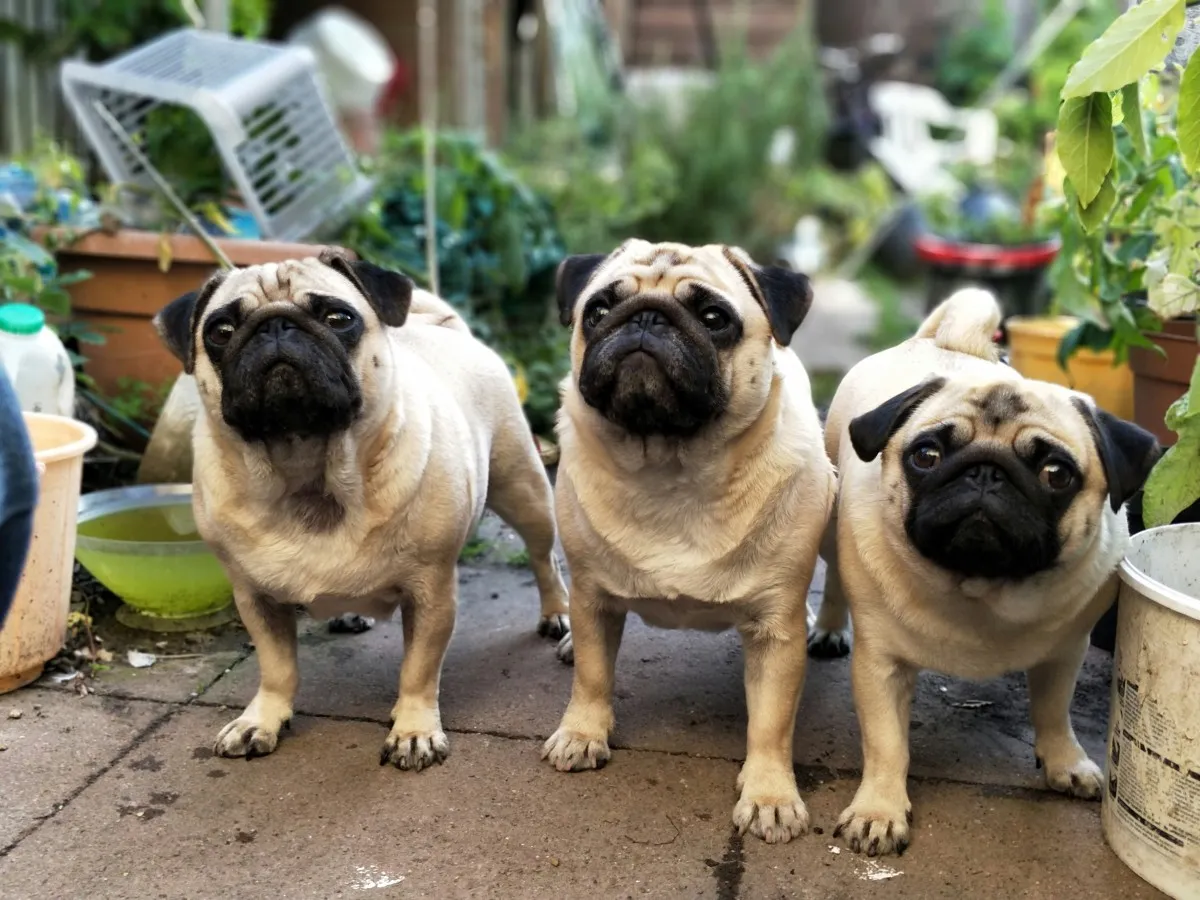
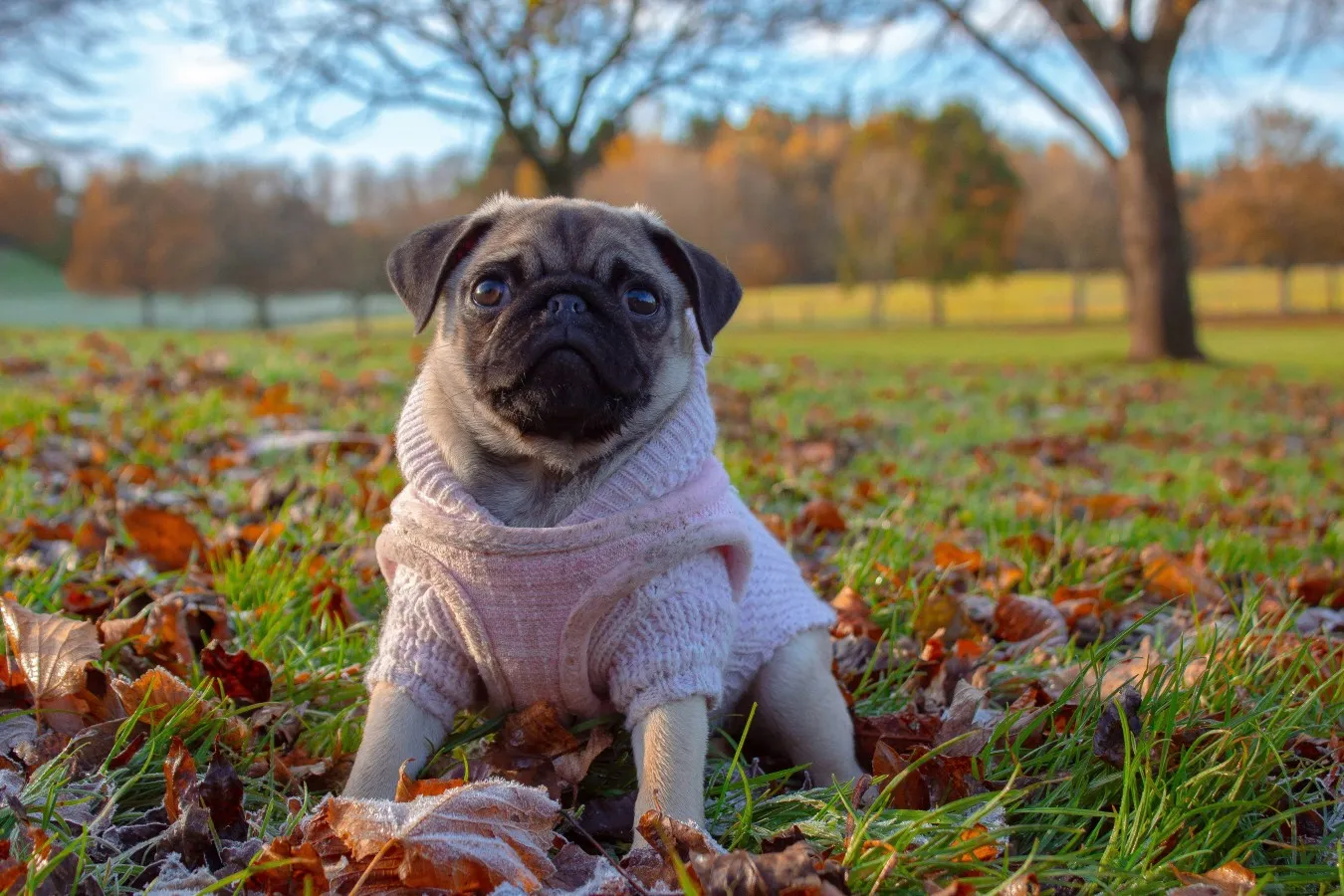
A charming, mischievous, and sturdy companion, the Pug is an affectionate “shadow” dog that thrives on family love and brings endless joy to any home.

BREED GROUP

Companion Dogs

Country of origin

China

BREED SIZE

Small

BREED HEIGHT

12 -

14 IN

30 -

36 cm

BREED WEIGHT

14 -

18 LB

6 -

8 KG

WHAT YOU NEED TO KNOW

Originating in ancient China, the Pug is a charming, affectionate Toy breed beloved for its mischievous personality. These sturdy dogs typically weigh 14-18 pounds and thrive on human companionship, making them ideal family pets. While their short coats are easy to groom, they shed frequently and require regular cleaning of their facial wrinkles. Owners must be mindful of health risks; their flat faces cause sensitivity to heat and breathing issues. Furthermore, Pugs are prone to obesity, so consistent exercise and a managed diet are essential for maintaining their 12-15 year lifespan.
american kennel club (AKC) recognition

Yes

Breed was recognized in 1885.

International Canine Federation (FCI) recognition

Yes

Breed was recognized in 1966.

WHAT DO OWNERS WANT TO KNOW?

Are Pugs good family dogs?

Excellent

10 out of 10

The Pug is an ideal family pet due to its charming, affectionate nature and strong desire for human companionship. Their sturdy build and mischievous personality make them well-suited for a variety of households that can provide consistent attention and manage their specific health needs.

Excellent

10 out of 10

Pugs are generally excellent with children, known for being patient, playful, and affectionate family companions. Their sturdy build makes them more robust than most toy breeds, allowing them to safely engage in play while remaining gentle and tolerant. Their even-tempered nature and strong desire for human companionship make them ideal playmates for kids of all ages.

Exceptional

10 out of 10

Pugs are excellent for first-time owners due to their affectionate, even-tempered nature and adaptable lifestyle. They are charming companions that thrive on human interaction and require only moderate daily exercise. However, novice owners must be proactive about managing the breed’s unique health needs, including respiratory care and weight management, to ensure their long-term well-being.

Exceptional

10 out of 10

Pugs are excellent apartment dogs due to their small size, low exercise requirements, and calm, easygoing nature. They are quiet, adaptable companions that thrive in smaller living spaces as long as they receive consistent human companionship and moderate daily activity. Their affectionate and social disposition makes them ideal for city dwellers and households with limited outdoor space.

Not Required

10 out of 10

A yard is not strictly required for a Pug, as they are highly adaptable and well-suited for apartment living. While they enjoy moderate play sessions, their exercise needs can be easily met through short daily walks and indoor activities. Because they are sensitive to extreme heat and cold, they should primarily live indoors and only spend limited, supervised time outside.

Not Recommended

1 out of 10

Pugs are deeply social "shadow" dogs that thrive on human companionship and generally do not tolerate being left alone well. They are highly prone to separation anxiety and may exhibit destructive behaviors, such as chewing or excessive barking, if isolated for long periods. Ideally, they should not be left alone for more than four hours and are best suited for households where someone is present most of the day to provide the attention they crave.

Exceptional

10 out of 10

Pugs generally get along exceptionally well with cats due to their gentle, passive nature and low prey drive. Often described as having cat-like personalities, they are rarely prone to chasing or intimidating feline companions. Success depends on gradual, supervised introductions and early socialization to ensure both pets feel secure in a multi-pet household.

Very Gentle

1 out of 10

Pugs are among the most gentle and passive of all dog breeds and are not naturally aggressive. While they are famously friendly and welcoming to strangers, they can occasionally display territorial guarding behaviors, such as barking at guests. Like any dog, they may react with nipping if they feel threatened, frightened, or are in pain, but their physical structure makes it difficult for them to cause significant damage. Early socialization and consistent, positive training are key to ensuring they remain confident and well-mannered companions.

Couch Potato

1 out of 10

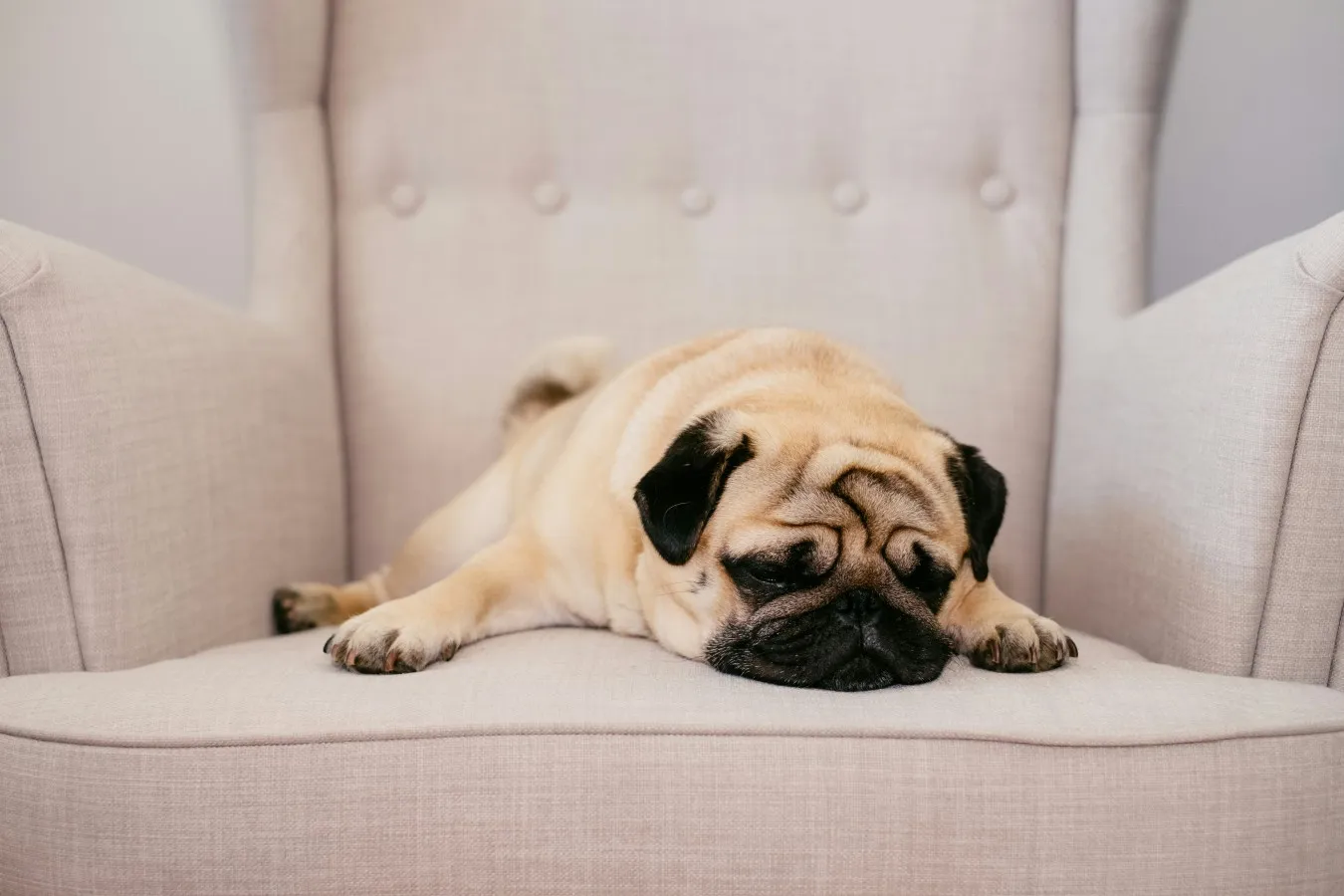
Pugs have moderate to low energy levels, typically alternating between short bursts of playful silliness and long periods of being a "couch potato." They require minimal to moderate exercise, such as a few short daily walks or indoor play sessions, making them ideal for apartment living and relaxed households. Owners must be careful not to overexert them, as their flat faces make them prone to overheating and respiratory distress.

~45 min a day

2 out of 10

Pugs require moderate daily exercise, typically totaling 30 to 60 minutes, which is best split into two short walks and gentle indoor play. Due to their flat faces and high risk of overheating, activities should be kept low-impact and scheduled during cooler parts of the day. Regular exercise is essential to prevent obesity while being careful not to overexert them.

Danger

1 out of 10

Pugs are highly sensitive to heat because their flat faces and shortened airways make it difficult for them to cool down through panting. They are prone to heatstroke and respiratory distress in temperatures exceeding 75 degrees Fahrenheit. Owners must provide air conditioning, constant water, and limit outdoor activities to the cooler morning or evening hours.

Danger

1 out of 10

Pugs are highly sensitive to heat because their flat faces and shortened airways make it difficult for them to cool down through panting. They are prone to heatstroke and respiratory distress in temperatures exceeding 75 degrees Fahrenheit. Owners must provide air conditioning, constant water, and limit outdoor activities to the cooler morning or evening hours.

Never Banned

10 out of 10

Pugs are rarely restricted by apartment breed bans due to their small size and famously gentle, passive nature. Their weight typically falls well within common apartment limits, and they are widely regarded as ideal city companions. However, always verify individual landlord policies regarding noise or specific rental insurance requirements.

WHAT DO OWNERS WANT TO KNOW?


Photo
Reviewed by
Dr. Vojtech Gabriel
DVM · PhD · MBA
Veterinarian Researcher Dog breed specialist
Verified

"Pugs are a charming breed but face significant health challenges primarily due to their brachycephalic structure. As a veterinarian, I prioritize monitoring for Brachycephalic Obstructive Airway Syndrome (BOAS), which causes chronic breathing difficulties, exercise intolerance, and a high risk of life-threatening heatstroke. Their unique anatomy also predisposes them to corneal ulcers, painful skin fold infections, and dental overcrowding. Obesity is a major concern that exacerbates respiratory distress and joint strain, making strict weight management and a controlled diet essential. Given these complex risks, I recommend daily cleaning of facial wrinkles, choosing health-tested puppies, and securing comprehensive pet insurance to manage the likely high lifelong medical costs associated with this breed."

Other Companion Dogs