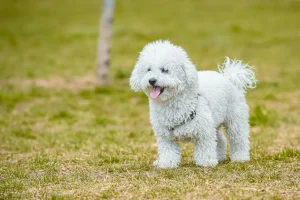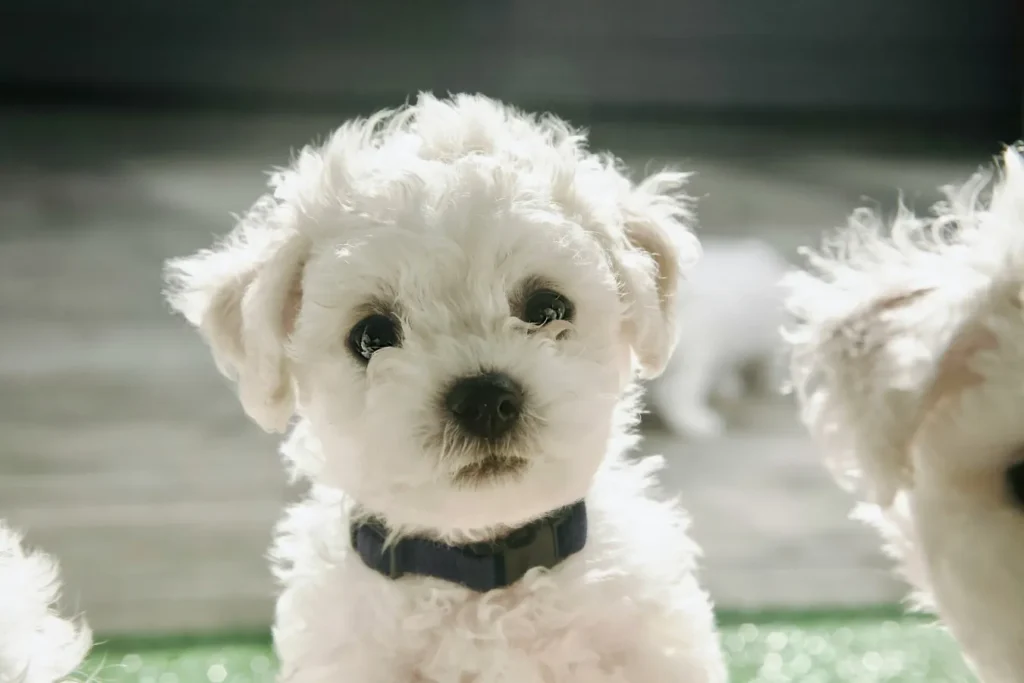
Bichon Frise Grooming Profile
Breed Group
Companion Dogs
Country of Origin
France / Belgium
Breed Size
Small
AKC Recognition
Yes, recognized in 1972
FCI Recognition
Yes, recognized in 1959
Allergy-friendly
Good10 / 10
Shedding
Minimal10 / 10
Grooming need
Frequent8 / 10
Low-maintenance
Very Hard9 / 10
Size
Small4 / 10
Growth timeline
Up to 12 Months2 / 10
Grooming FAQ
Are Bichon Frise hypoallergenic or allergy-friendly?
Bichon Frises are widely considered hypoallergenic due to their dense, curly double coats that trap dander and loose hair rather than shedding it into your home. While no breed is entirely allergen-free, their minimal shedding makes them an ideal choice for prospective owners with sensitivities.
Allergy-friendly: 10 / 10
Do Bichon Frise shed?
Bichon Frises are considered a non-shedding breed, as their curly double coat traps loose hair instead of dropping it on your floors. While they lose very little hair, the trapped strands require daily brushing to prevent mats, making them excellent for maintaining a clean home.
Shedding: 10 / 10
How often should you groom a Bichon Frise?
Bichon Frises require high-maintenance grooming to manage their dense, curly double coats. Owners should brush them daily to prevent painful matting and schedule professional grooming every four to six weeks for haircuts. Daily eye wiping and regular ear cleaning are also essential to maintain their health.
Grooming need: 8 / 10
Are Bichon Frise low-maintenance dogs?
Bichon Frises are high-maintenance dogs. Beyond their demanding daily grooming routine and frequent professional haircuts, they are energetic and require daily walks and active play to prevent behavioral issues. Their strong need for human companionship means they don't do well when left alone for long periods.
Low-maintenance: 9 / 10
How big do Bichon Frise get?
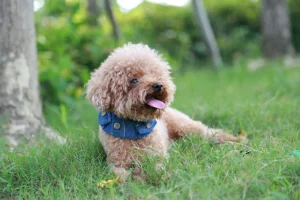
Bichon Frises are charming toy dogs that typically stand 9.5 to 11.5 inches tall and weigh between 12 and 18 pounds. Their compact size and sturdy build make them versatile companions, ideal for apartment living while maintaining a cheerful and elegant "powder puff" appearance.
Size: 4 / 10
When do Bichon Frise stop growing?
Bichon Frises typically reach their full adult height between 6 and 12 months of age. While they achieve their skeletal size early, they often continue to fill out, gain muscle mass, and develop their mature "powder puff" coat until they are 18 to 24 months old.
Growth timeline: 2 / 10
How much should a Bichon Frise eat?
Adult Bichon Frises typically require 300 to 660 calories daily, depending on their weight and activity level. This is usually served as 0.5 to 1.5 cups of high-quality dry food divided into two meals. Monitor their intake closely to prevent obesity and related joint issues.
Feeding amount: 3 / 10
How often should a Bichon Frise puppy eat?
Bichon Frise puppies require frequent, small meals to support their active growth and stable blood sugar levels. It is recommended to feed them 4-5 small meals per day for puppies under three months, transitioning to 3 meals daily until six months of age. Puppies over three months should transition to three meals daily until six months of age.
Puppy feeding frequency: 9 / 10
Vet Insights
Bichon Frises are small, hypoallergenic dogs with dense, curly double coats that require daily brushing and professional grooming every four to six weeks. They reach full height by 12 months but fill out until age two. These cheerful companions need 0.5 to 1.5 cups of food daily and benefit from frequent puppy meals to maintain stable energy.