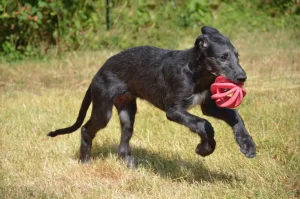
Beagle Grooming Profile
Breed Group
Hound Dogs
Country of Origin
United Kingdom
Breed Size
Small
AKC Recognition
Yes, recognized in 1885
FCI Recognition
Yes, recognized in 1955
Allergy-friendly
Worst Choice1 / 10
Shedding
Moderate4 / 10
Grooming need
10-15 mins/week6 / 10
Low-maintenance
Moderate6 / 10
Size
Small-to-Medium4 / 10
Growth timeline
8-18 months.5 / 10
Grooming FAQ
Are Beagle hypoallergenic or allergy-friendly?
Beagles are not hypoallergenic. They possess a dense double coat that sheds moderately year-round and heavily during seasonal changes. This constant release of dander and fur makes them a difficult choice for allergy sufferers, as they frequently spread allergens throughout the home environment.
Allergy-friendly: 1 / 10
Do Beagle shed?
Beagles are moderate year-round shedders with a dense double coat. They experience heavier shedding during spring and fall "blowouts" as they adjust to seasonal changes. Regular brushing two to three times weekly, along with a high-quality diet, helps manage loose hair and keeps their coat healthy.
Shedding: 4 / 10
How often should you groom a Beagle?
Beagles require moderate grooming to manage their dense double coat. Weekly brushing with a medium-bristle brush or rubber mitt effectively removes loose hair and minimizes shedding. To maintain skin health and cleanliness, bathe your Beagle every four to six weeks and trim their nails regularly.
Grooming need: 6 / 10
Are Beagle low-maintenance dogs?
Beagles are relatively low-maintenance but require consistent effort. Their short coats only need weekly brushing, yet their long ears demand regular cleaning to prevent infections. While adaptable, they are high-energy scent hounds needing daily exercise and firm, patient training to manage their stubbornness and strong prey drive.
Low-maintenance: 6 / 10
How big do Beagle get?
Beagles are small-to-medium hounds that come in two primary size varieties. The smaller variety stands under 13 inches and weighs less than 20 pounds, while the larger variety reaches 13 to 15 inches and weighs 20 to 25 pounds, maintaining a sturdy, athletic build.
Size: 4 / 10
When do Beagle stop growing?
Beagles typically reach their full adult height by 8 months of age, but they continue to fill out and gain muscle until they are approximately 18 months old, when their skeletal system is fully developed and they're considered physical adults.
Growth timeline: 5 / 10
How much should a Beagle eat?
Beagles typically require 3/4 to 1.5 cups of food daily, which is approximately 670-920 calories for adults. Two cups is generally the upper limit, reserved only for very active or larger 15-inch dogs, to help avoid obesity.
Feeding amount: 4 / 10
How often should a Beagle puppy eat?
Beagle puppies require frequent meals to support their active growth. Typically, young puppies should eat three to four times daily. As they mature, usually around six months, you can transition them to two meals per day. Always monitor their weight closely, as Beagles are notoriously food-motivated and prone to obesity.
Puppy feeding frequency: 8 / 10
Vet Insights
Beagles are energetic, small-to-medium scent hounds reaching full physical maturity by 18 months. They are moderate year-round shedders with easy grooming needs, though their floppy ears require frequent cleaning to prevent infections. Highly food-motivated and prone to obesity, they require portion-controlled meals and daily exercise.