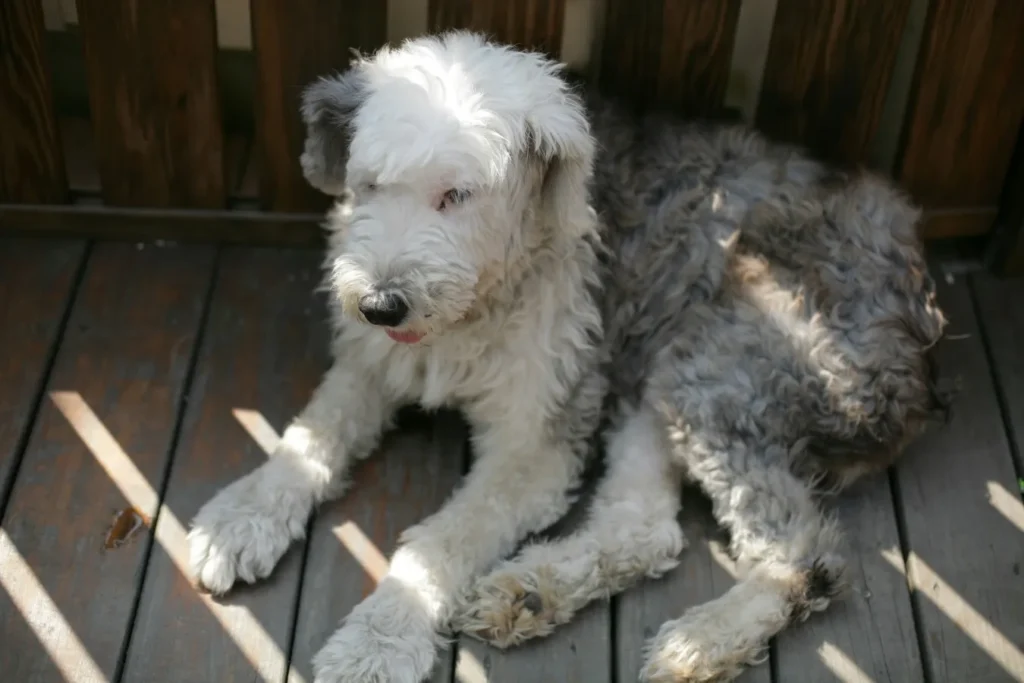
Old English Sheepdog Grooming Profile
Breed Group
Herding Dogs
Country of Origin
United Kingdom
Breed Size
Large
AKC Recognition
Yes, recognized in 1888
FCI Recognition
Yes, recognized in 1954
Allergy-friendly
Worst Choice1 / 10
Shedding
Minimal8 / 10
Grooming need
3-4 times/weekLow-maintenance
Very Hard1 / 10
Size
Large8 / 10
Growth timeline
2-3 years7 / 10
Grooming FAQ
Are Old English Sheepdog hypoallergenic or allergy-friendly?
Old English Sheepdogs are not hypoallergenic. They possess a dense, shaggy double coat that is low-shedding. However, this shedding, combined with dander and a tendency to drool, can easily trigger reactions in sensitive individuals, making them unsuitable for allergy sufferers. They are low-shedders, correcting the claim that they shed a "moderate to heavy amount.".
Allergy-friendly: 1 / 10
Do Old English Sheepdog shed?
Old English Sheepdogs are considered low to non-shedding, as their hair-like fur traps loose strands within the coat. However, this means they require intensive weekly brushing to remove dead hair and prevent severe matting. They are not ideal for owners seeking a maintenance-free home.
Shedding: 8 / 10
How often should you groom a Old English Sheepdog?
To maintain an Old English Sheepdog’s iconic double coat, brush thoroughly three to four times weekly to prevent painful mats. They require professional grooming every six to eight weeks for haircuts and bathing. Daily attention to facial hair, eye cleaning, and regular ear care are also essential.
Are Old English Sheepdog low-maintenance dogs?
Old English Sheepdogs are high-maintenance dogs due to their extensive grooming needs. Their thick double coats require daily brushing to prevent painful matting and regular professional grooming. Additionally, they are energetic working dogs that demand significant daily exercise and mental stimulation to stay healthy and happy.
Low-maintenance: 1 / 10
How big do Old English Sheepdog get?
Old English Sheepdogs are a large, slow-maturing breed that typically stands 21 to 24 inches tall. Males weigh between 70 and 100 pounds, while females range from 60 to 85 pounds. Their sturdy, muscular frame is covered in a thick, shaggy double coat that adds significant volume.
Size: 8 / 10
When do Old English Sheepdog stop growing?
Old English Sheepdogs are a slow-maturing, large breed. They typically reach their full adult height between 12 and 18 months of age. However, they continue to fill out, gain muscle mass, and broaden significantly until they are fully mature, which usually happens between 2 and 3 years old.
Growth timeline: 7 / 10
How much should a Old English Sheepdog eat?
Adult Old English Sheepdogs typically require 4 to 5 cups of high-quality dry food daily, divided into two meals. Monitor their weight closely to maintain their sturdy build and adjust portions based on their daily activity.
Feeding amount: 8 / 10
How often should a Old English Sheepdog puppy eat?
Old English Sheepdog puppies require frequent, small meals to support their rapid growth and large frames. Feed your puppy four meals daily until four months of age, then transition to three meals until six months. By six months, you can gradually move to two meals per day.
Puppy feeding frequency: 3 / 10
Vet Insights
Old English Sheepdogs are large, high-maintenance dogs requiring daily brushing to manage their dense, non-shedding double coats and prevent matting. They reach physical maturity by age three and need significant exercise. Owners should provide 4-5 cups of food daily, monitoring portions carefully. Despite their shaggy appearance, they are intelligent, athletic workers unsuitable for allergy sufferers.