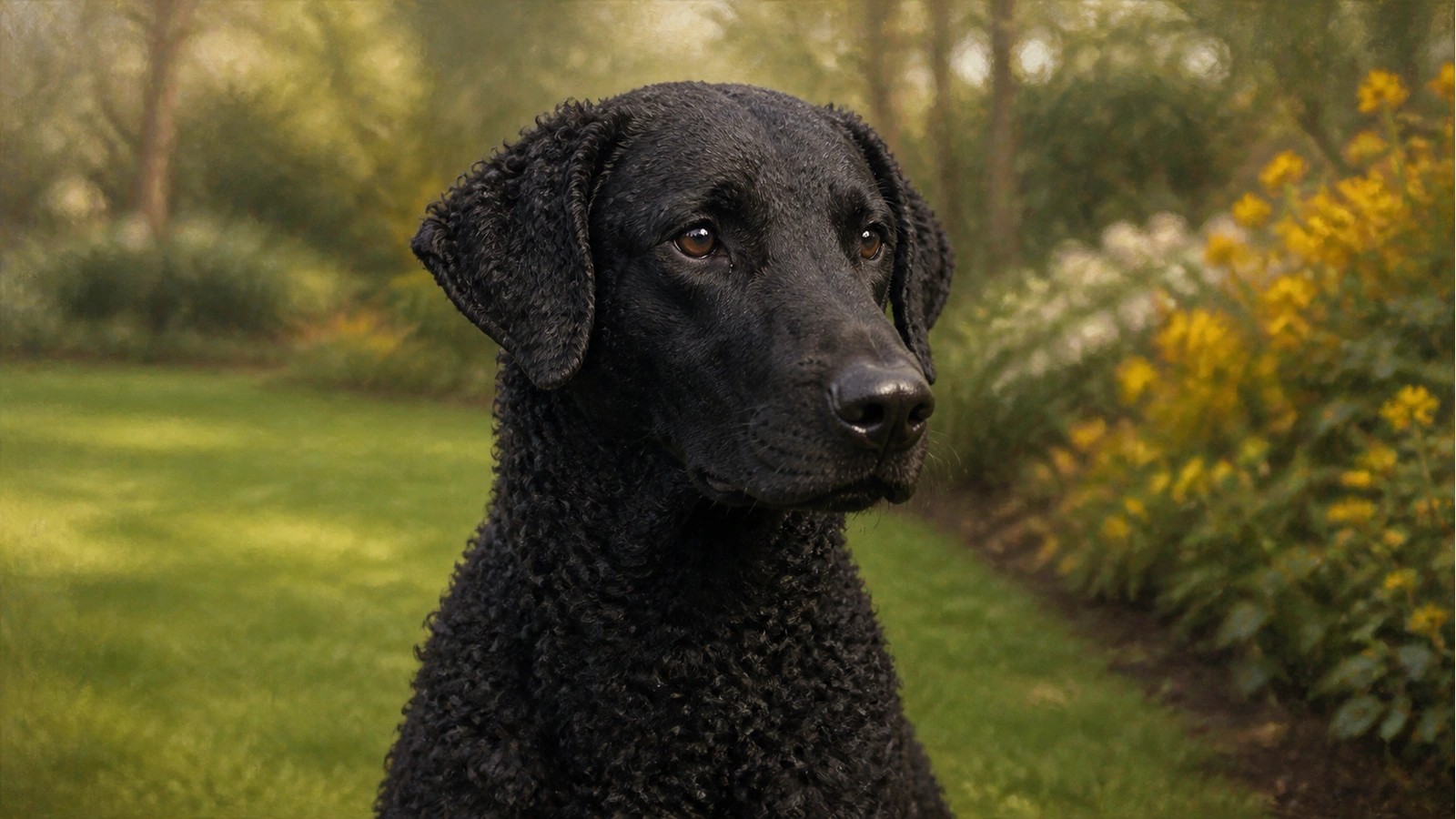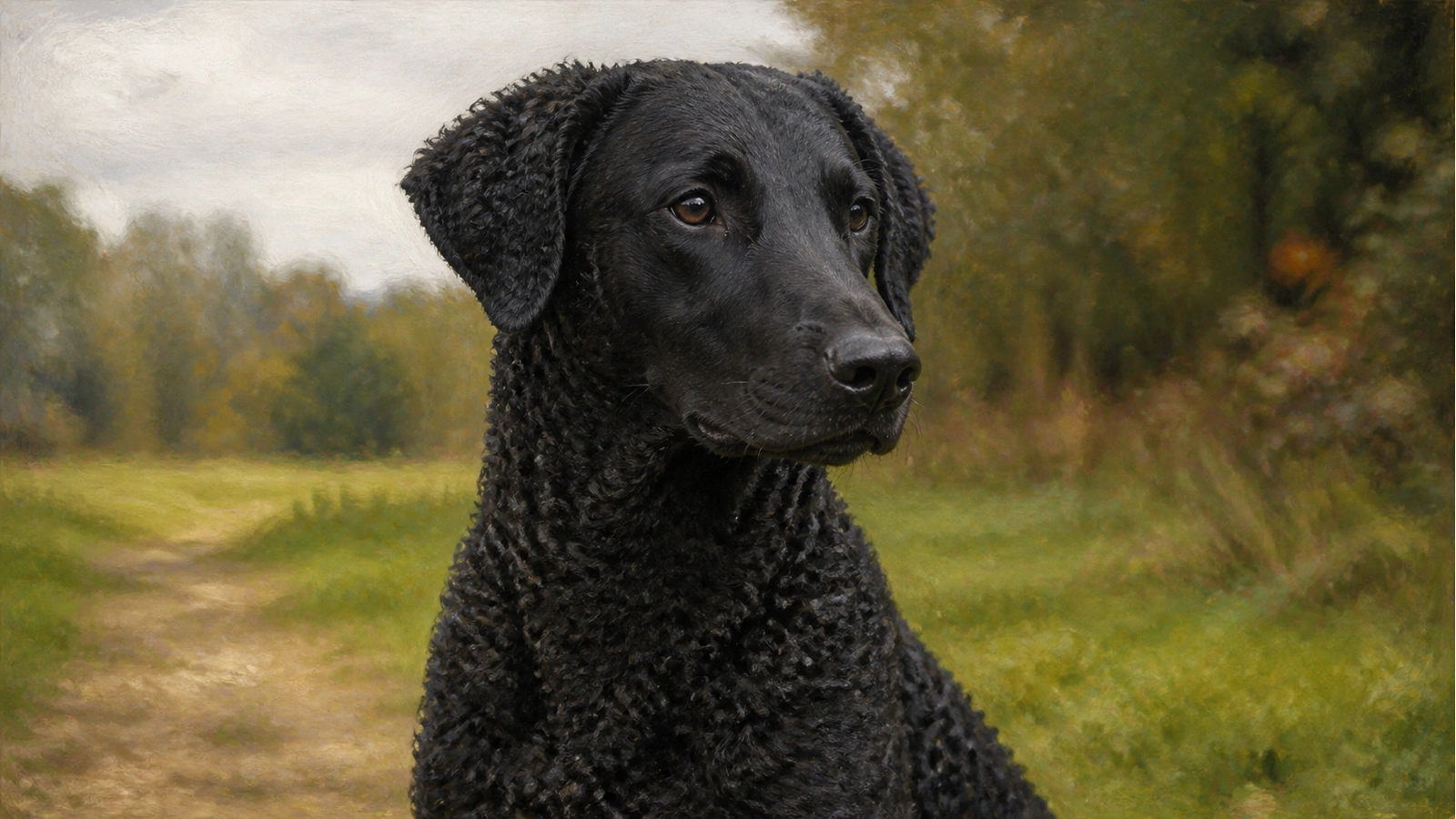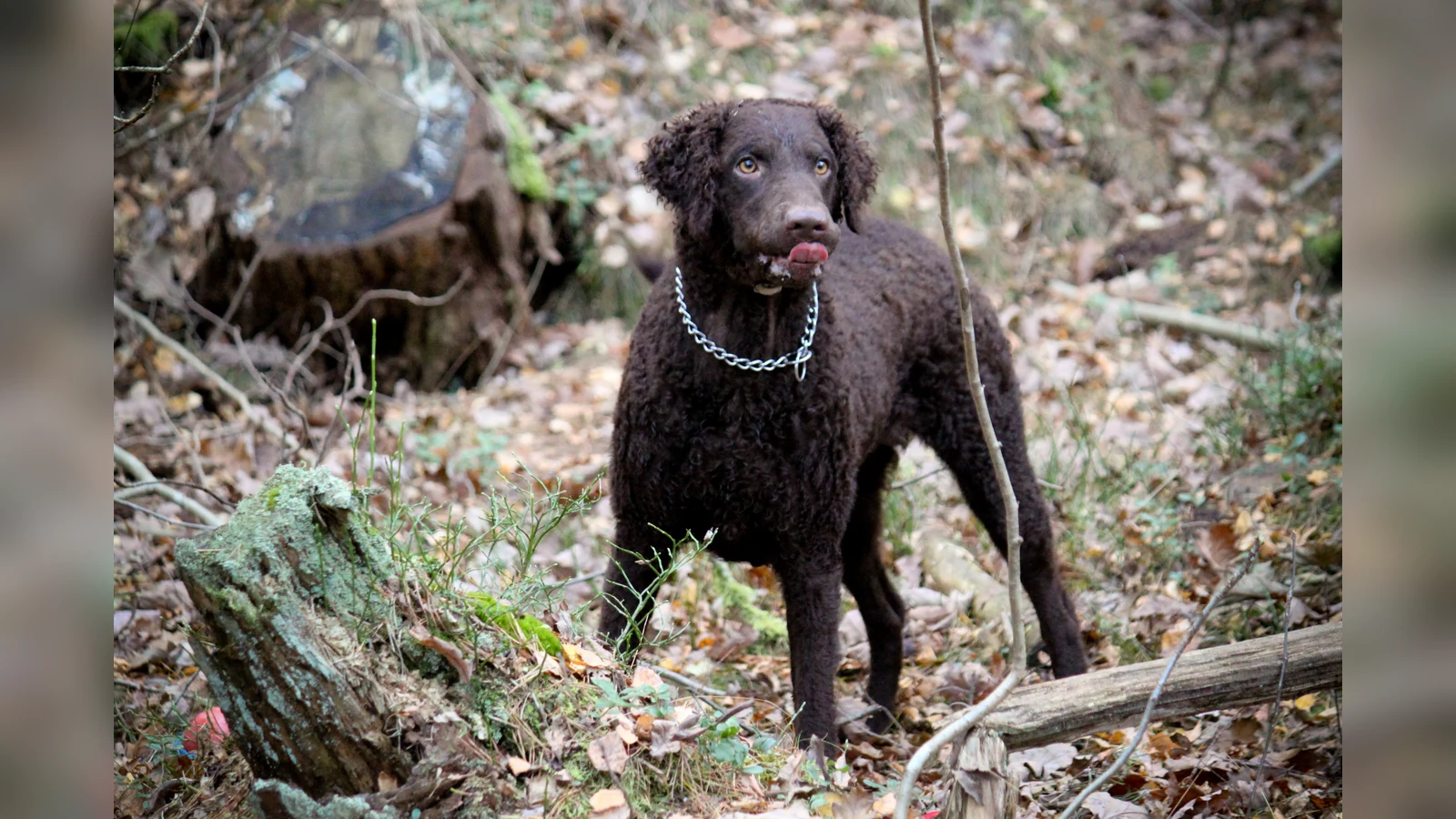
Curly-Coated Retriever - MAIN HUB
BREED GROUP
Sporting Dogs
Country of origin
United Kingdom
BREED SIZE
Large
BREED HEIGHT
23 -
27 IN
58 -
69 cm
BREED WEIGHT
60 -
95 LB
27 -
43 KG
WHAT YOU NEED TO KNOW
american kennel club (AKC) recognition
Yes
Breed was recognized in 1924.

International Canine Federation (FCI) recognition
Yes
Breed was recognized in 0.
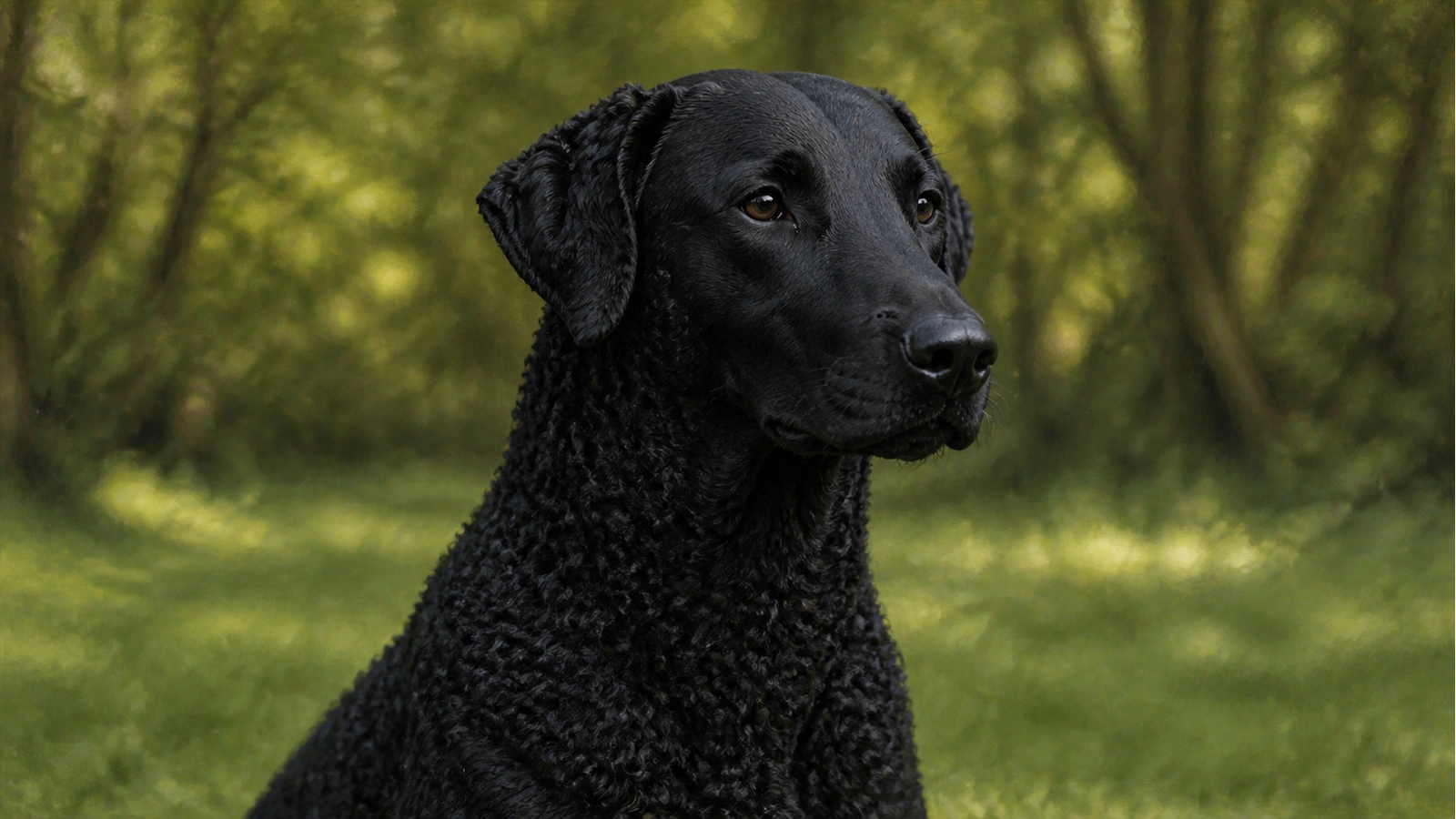
WHAT DO OWNERS WANT TO KNOW?
Are Curly-Coated Retrievers good family dogs?
Great
9 out of 10
The Curly-Coated Retriever is a loyal family companion that thrives in active households capable of providing at least two hours of daily exercise. While they are devoted to their owners, they require early socialization and consistent training due to their high energy levels and reserved nature with strangers.
Are Curly-Coated Retrievers good with kids?
Great
9 out of 10
Curly-Coated Retrievers are generally excellent with children, known for being gentle, patient, and playful companions. They form deep bonds with their families and often enjoy engaging in activities with kids, though their large size and high energy mean they may inadvertently knock over small toddlers. Early socialization and supervision are recommended to ensure positive interactions and safe play.
Are Curly-Coated Retrievers good dogs for first time owners?
Not Recommended
1 out of 10
Curly-Coated Retrievers are generally not recommended for first-time owners due to their high exercise needs and independent, sometimes stubborn, nature. While they are intelligent and loyal, they mature slowly and require an experienced owner who can provide firm, consistent training and at least two hours of daily activity to prevent boredom and destructive behavior. Success with this breed requires a significant commitment to early socialization and engaging, varied training sessions.
Are Curly-Coated Retrievers good apartment dogs?


Not Recommended
1 out of 10
Curly-Coated Retrievers are not well-suited to apartment living. Between their large size, very high energy, and two-hour daily exercise needs, they do best with real space to move around — a small apartment leaves little outlet for a dog this active.
Do Curly-Coated Retrievers need a yard?
Highly Recommended
8 out of 10
A yard is highly recommended for a Curly-Coated Retriever due to their large size and high energy levels. While they can adapt to homes without a yard if owners commit to providing at least two hours of vigorous daily exercise, a fenced outdoor space is the ideal environment for these active athletes to run and play safely.
Can Curly-Coated Retrievers be left at home alone?
Fair
4 out of 10
Curly-Coated Retrievers can manage being left alone for moderate periods, but their high intelligence and active nature mean they can become destructive if bored or neglected for too long. They thrive best in households where they receive ample daily exercise and mental stimulation, such as interactive toys, to prevent restlessness and separation-related stress. While more independent than some other retriever breeds, they still require quality time and engagement with their owners to remain well-adjusted.
Do Curly-Coated Retrievers tolerate cats well?
Great
8 out of 10
Curly-Coated Retrievers generally coexist peacefully with cats and other domestic pets, especially when introduced at an early age. While they are kind and affectionate with their inner circle, some individuals may have a higher prey drive that triggers a desire to chase. Success in a multi-pet household depends on early socialization, consistent training, and gradual, supervised introductions to ensure the dog views the cat as a companion rather than prey.
Are Curly-Coated Retrievers known to be aggressive?
Gentle
9 out of 10
Curly-Coated Retrievers are not naturally aggressive; they are known for their confident, loyal, and friendly personalities. While they are more independent and reserved with strangers than other retrievers, they are alert watchdogs that will bark to warn their owners of potential threats rather than acting out of malice. Any reactive behavior or shyness typically stems from a lack of early socialization or boredom, making consistent positive reinforcement training essential.
Do Curly-Coated Retrievers have a lot of energy?
Very High
9 out of 10
Curly-Coated Retrievers are high-energy athletes that require significant daily physical and mental stimulation to stay happy. They typically need at least two hours of exercise, thriving in activities like swimming, running, and retrieving. Without an appropriate outlet for their energy, they can become bored and destructive.
How much exercise do Curly-Coated Retrievers need?
~120+ min a day
9 out of 10
Curly-Coated Retrievers are high-energy athletes that require at least two hours of vigorous daily exercise, including activities like swimming, running, and retrieving. They need consistent physical and mental stimulation to prevent boredom and destructive behaviors, making them ideal for very active households.
Do Curly-Coated Retrievers tolerate hot weather well?
Good
6 out of 10
Curly-Coated Retrievers have a moderate tolerance for hot weather thanks to their unique, water-resistant curls that provide some protection. However, they are high-energy athletes that can easily overheat during intense physical activity in the sun. Owners should avoid midday exercise, provide constant access to shade and fresh water, and utilize their love for swimming as a safe way to cool down during summer.
Are Curly-Coated Retrievers good with cold weather?
Good
6 out of 10
Curly-Coated Retrievers have a moderate tolerance for hot weather thanks to their unique, water-resistant curls that provide some protection. However, they are high-energy athletes that can easily overheat during intense physical activity in the sun. Owners should avoid midday exercise, provide constant access to shade and fresh water, and utilize their love for swimming as a safe way to cool down during summer.
Are Curly-Coated Retrievers sometimes banned from rentals?
Rarely Restricted
7 out of 10
Curly-Coated Retrievers aren't a breed-specific-ban target — that list is mostly bully breeds — but their large size can still bump into apartment weight limits. Always confirm your lease's pet policy and weight cap before signing, especially at stricter buildings.
WHAT DO OWNERS WANT TO KNOW?