Skip to content

Akita Shepherd Grooming Profile

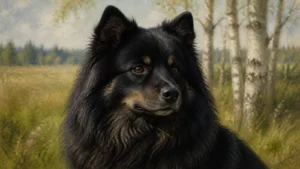
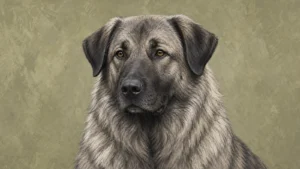
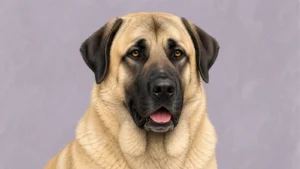
Weekly brushing manages high shedding. Growth continues until 3-4 years, as they fill out their large, muscular frame.
COAT TYPE

Double Coat

SHEDDING

High

GROOMING SKILL

Moderate

TRAINING FAQ

Are Akita Shepherds hypoallergenic?
SCORE
0 /10

Worst Choice

Akita Shepherds are not hypoallergenic. Their thick double coat sheds heavily and produces noticeable dander, so allergy sufferers will likely struggle to share a home with one.

SCORE
0 /10

Heavy

Akita Shepherds shed heavily, especially during seasonal blowouts. Regular brushing several times a week helps keep loose fur under control between those heavier sheds.

SCORE
0 /10

1.5 hours/week

To maintain an Akita Shepherd's thick double coat, brush them weekly to manage shedding. During seasonal shedding periods, more frequent brushing is necessary to remove dead hair.

SCORE
0 /10

Hard

Akita Shepherds are high-maintenance dogs. They require significant daily exercise, early socialization, and firm training to manage their protective instincts and large size.

SCORE
0 /10

Large

Akita Shepherds are large, powerful dogs. They typically stand 24 to 28 inches tall at the shoulder and weigh between 75 and 120 pounds.

SCORE
0 /10

3-4 years

Akita Shepherds typically reach full height by 12 to 18 months, but continue to fill out and gain muscle mass until they reach full physical maturity at 3 to 4 years of age.

SCORE
0 /10

3-6 cups

An adult Akita Shepherd typically requires 3 to 6 cups of high-quality dry food daily, divided into two meals. Adjust portions based on their size, age, and activity level.

SCORE
0 /10

3-4 meals/day

Akita Shepherd puppies should be fed three times a day with a premium large-breed puppy formula. This supports their steady growth and helps prevent joint issues like hip dysplasia later in life. Transition them to two meals a day at six months.

VET INSIGHTS

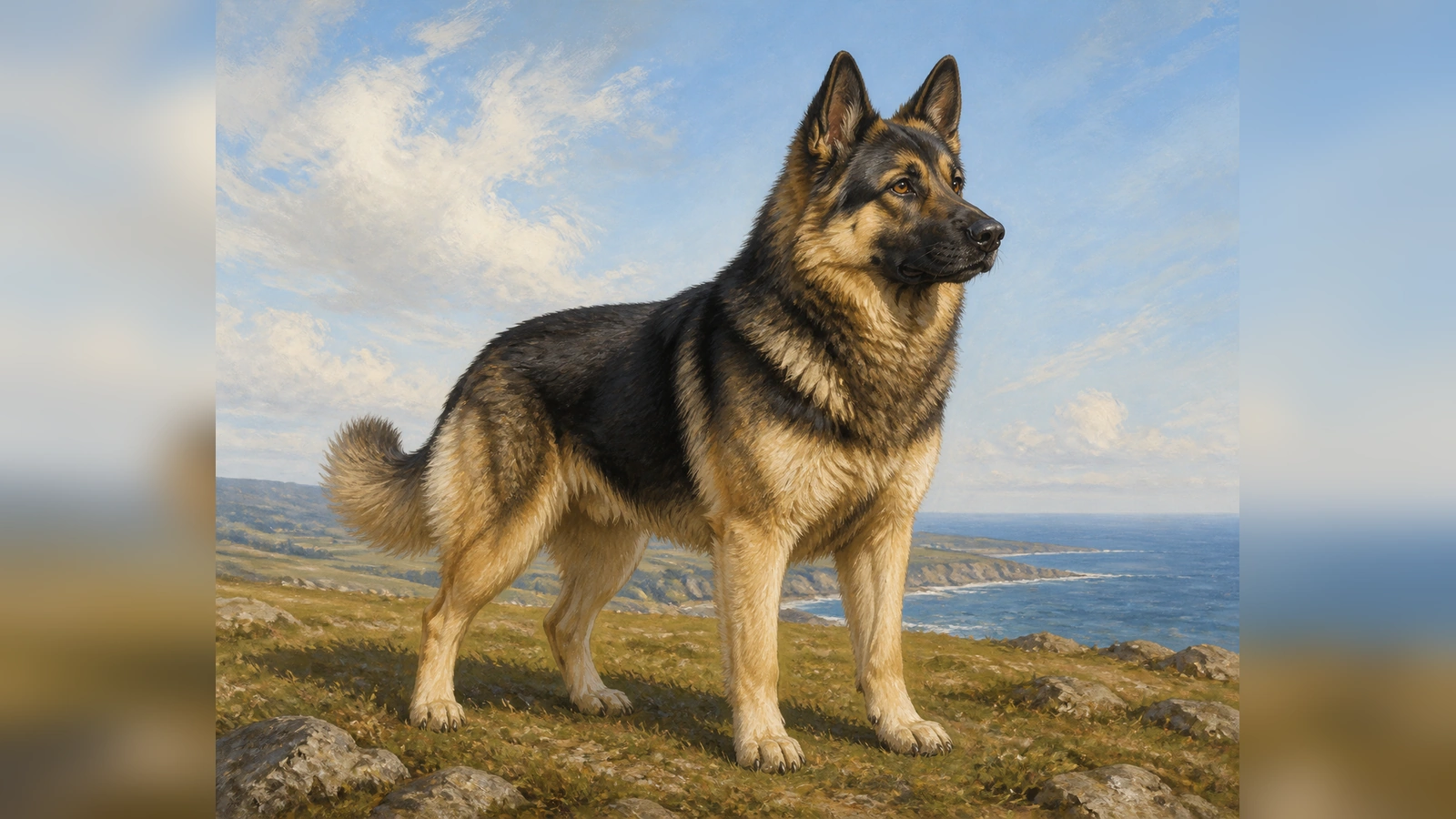
Akita Shepherds are large, protective dogs that reach full maturity by age four. They possess thick double coats and are heavy shedders, requiring weekly brushing. These independent dogs need firm training, consistent socialization, and daily exercise. Owners should provide three daily meals of large-breed puppy formula to support steady growth and help prevent potential joint issues.


Photo
Reviewed by
Dr. Vojtech Gabriel

DVM · PhD · MBA
Veterinarian Researcher Dog breed specialist
Verified

Explore Other Breed GROOMING PROFILES