Briard Health and Costs
Breed Group
Herding Dogs
Country of Origin
France
Breed Size
Large
AKC Recognition
Yes, recognized in 1928
FCI Recognition
Yes, recognized in 1954
Rarity
Fairly Common4 / 10
Purchase cost
Moderate to Expensive6 / 10
Life expectancy
Moderate Lifespan5 / 10
Health
Moderate health concerns4 / 10
Health problem risk
Average health burden5 / 10
Maintenance cost
Very high upkeep cost8 / 10
A Veterinarian's Guide
Briard Health Problems and Costs
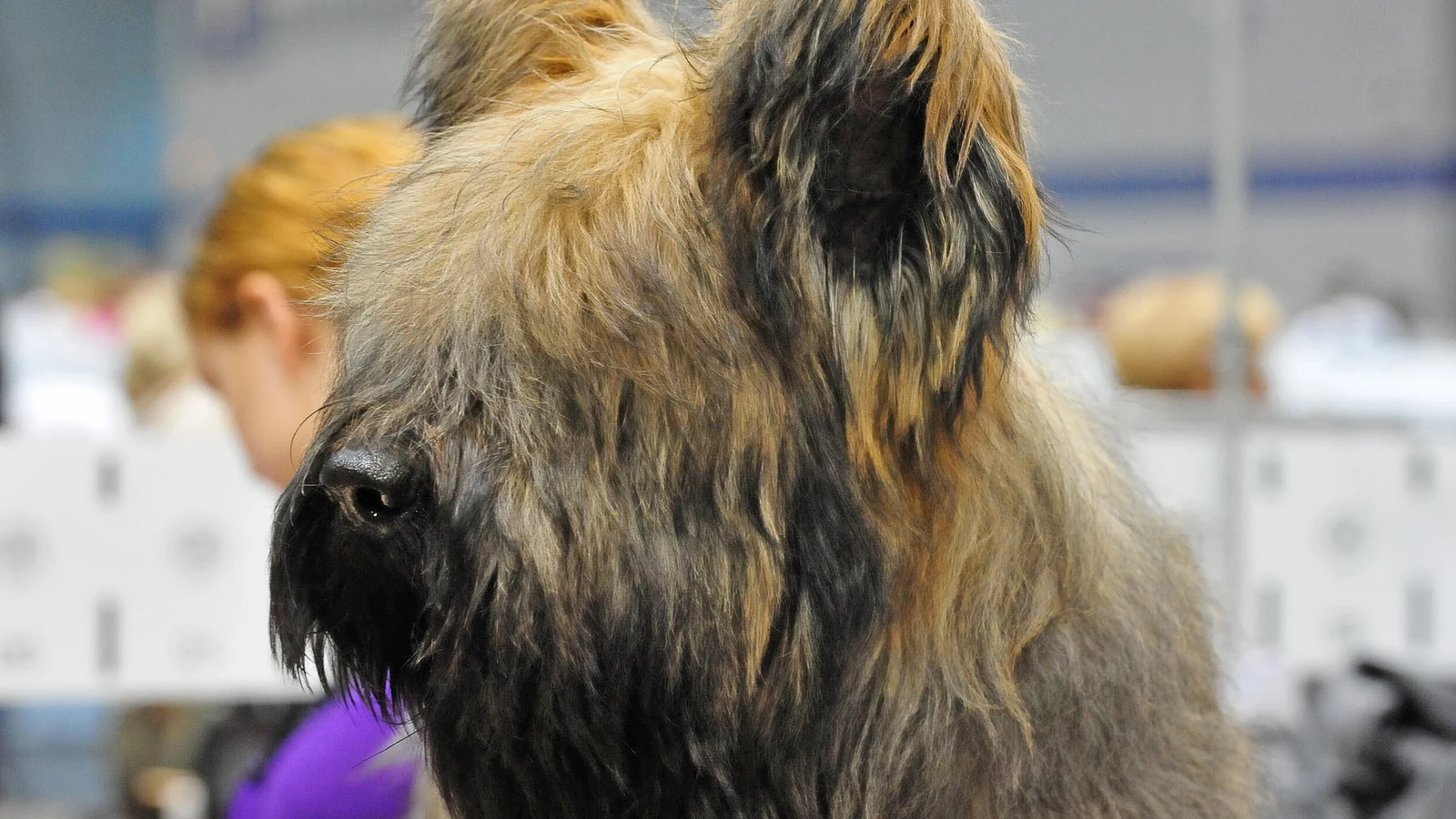
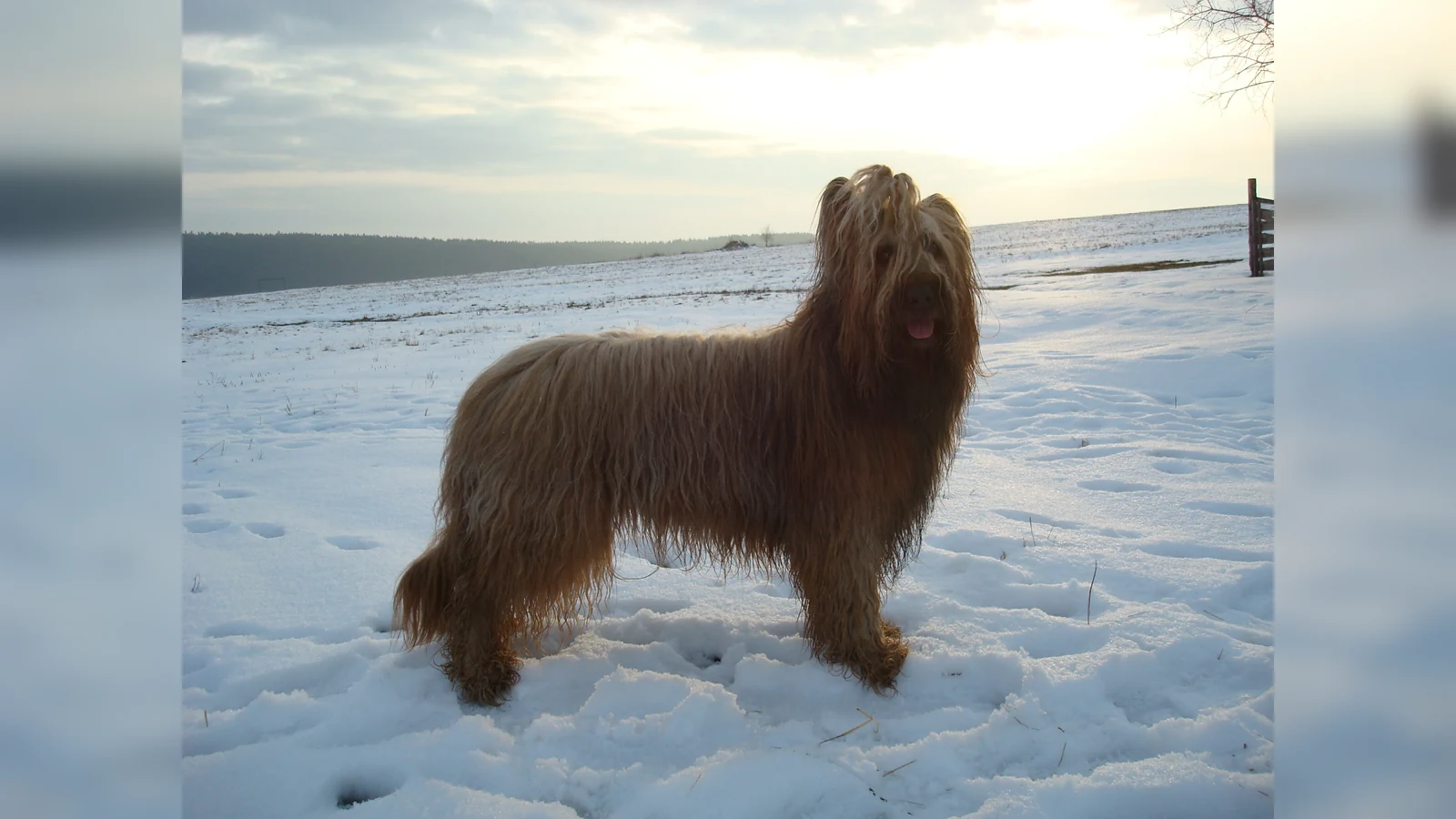
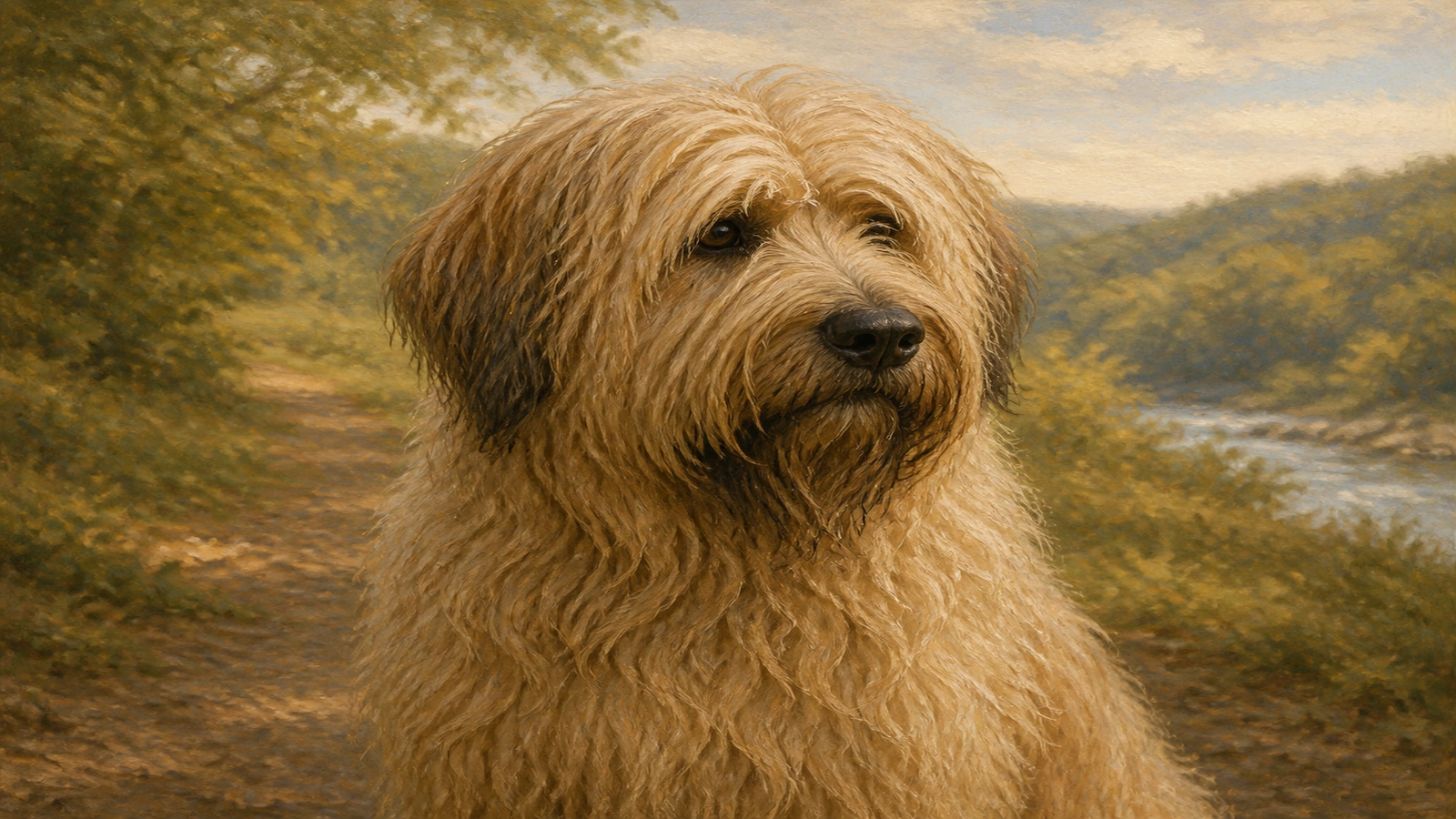
The Briard is a large, shaggy French herding and guarding dog, devoted to its family and watchful with strangers. It is a sturdy breed, but its size and deep chest bring a few health issues that repeat: hips, bloat, eyes, and the thyroid. Knowing them before you bring a puppy home, or while you already share your life with one, makes screening, emergency planning, and coat care much easier to manage.
In this guide
Why Do Hips Need Regular Screening in This Breed?
Hip dysplasia, an inherited malformation of the hip joint that leads to a loose joint, pain, and arthritis over time, is one of the Briard's major health concerns. The word comes from the Greek dys, "bad," and plasis, "formation." A driven, watchful dog can hide early discomfort while it goes on patrolling, so waiting for visible symptoms is unreliable. The breed club recommends a hip evaluation for breeding dogs, and a formal evaluation gives a far more reliable read than watching a dog move around the yard.
Weight management protects joints that may already carry some structural risk, since every extra pound adds stress on a dog this size. A body condition check at every routine visit catches gradual weight gain long before it is obvious at home, and a thick coat can hide extra weight, so a hands-on check matters.
Bloat Is an Emergency in Deep-Chested Dogs
Treat a swollen belly, unproductive retching, or sudden restlessness in your Briard as an emergency and go straight to an emergency veterinarian. Minutes matter, and delayed treatment can be fatal.
Bloat, medically gastric dilatation-volvulus, happens when the stomach fills with gas and twists on itself, cutting off its own blood supply. Veterinary sources list it among the breed's major health concerns. There is no home treatment, and surgery is the only way to correct a twisted stomach. Dogs who reach surgery quickly generally do better, so learn the warning signs before you ever need them.
- 01
Swollen belly
The abdomen looks tight, rounded, or distended.
- 02
Unproductive retching
Straining to vomit with little or nothing coming up.
- 03
Restlessness and drooling
Pacing, drooling, or being unable to settle.
- 04
Sudden collapse
The dog becomes weak or collapses.
Feeding smaller, more frequent meals and avoiding vigorous exercise around mealtimes both help, though no precaution removes the risk entirely. Some owners choose a preventive gastropexy. The word comes from the Greek gaster, "stomach," and pexis, "fixing in place." The surgery tacks the stomach to the abdominal wall, often at the same time as a spay or neuter. It does not stop gas from building up, but it helps stop the stomach from twisting. Discuss it with your veterinarian well before any emergency, since it is far easier to plan calmly than to decide during a crisis.

What Eye Conditions Can Affect This Breed?
Congenital stationary night blindness, or CSNB, is present from birth. Congenital comes from the Latin congenitus, "born with." Affected dogs cannot see well in dim light, though daytime vision is typically normal, and as the name says, it is stationary, meaning it does not steadily worsen the way many inherited eye diseases do. That lets owners plan around a stable limitation, such as taking extra care on dark evening walks. The breed club recommends a CSNB DNA test for breeding dogs, which can identify affected and carrier dogs that look completely normal.
Hereditary cataracts, a clouding of the lens, and corneal dystrophy are also reported, and some Briards develop retinal problems that can lead to blindness. The breed club recommends an ophthalmologist evaluation for breeding dogs, and regular exams by a veterinary ophthalmologist starting in early adulthood help track any change over a dog's lifetime. The thick coat can also cover the eyes, so keep the hair around them trimmed or tied back so you can see them clearly.

Can the Thyroid Be a Problem?
Hypothyroidism, or low thyroid hormone activity, is reported in the breed and is most common in dogs between four and ten years old. Weight gain without a change in diet, a dull coat, and low energy are the usual hints, and any one of them is easy to blame on aging. A blood panel confirms the diagnosis, and daily medication manages it for life.
What Does Managing a Briard's Health Actually Cost?
| Condition or Need | Typical Cost Range | Notes |
|---|---|---|
| Hip radiographs (certified) | $250 to $450 | Before breeding, ideally |
| CSNB DNA test | $65 to $150 | One time, before breeding |
| Eye exam | $75 to $200 | Regular rechecks starting in early adulthood |
| Emergency bloat surgery | $3,000 to $7,500 | Time-sensitive, life-threatening |
| Preventive gastropexy | $800 to $1,800 | Often paired with spay or neuter |
Questions to Ask a Breeder Before Buying a Puppy
Ask for hip and eye results, along with the CSNB DNA result, on both parents, since those are the tests the breed club recommends. A breeder who is not familiar with the night blindness test is not one to trust with a breed that has a well-known DNA test for it.
It also helps to ask about the breeder's bloat-prevention practices and whether they discuss gastropexy with new owners. A breeder who raises it unprompted is usually thinking carefully about the breed's other health needs too. Meeting an adult relative, ideally a parent, shows temperament and coat quality that an eight-week-old litter cannot.
Daily Life With a Briard
This is a devoted, protective breed that bonds closely with its family and stays watchful with strangers, a trait bred into centuries of guarding flocks. Early, extensive socialization matters, as the personality profile explains, and reward-based training suits an intelligent, independent dog that responds poorly to force. A Briard may also try to herd young children, and it needs real daily exercise, because a bored, under-stimulated dog can turn to barking, digging, or chewing.
The long, coarse double coat is high maintenance. Brushing most days prevents mats, a bath every month or two is typical, and our grooming guide explains the routine. The hairy, floppy ears are prone to infection, so check them regularly.
Keeping Your Briard Healthy for the Long Run
Schedule a hip evaluation, confirm CSNB testing before breeding, and keep regular eye exams on the calendar for the rest of your dog's life. Learn bloat's warning signs before you ever need them, since recognizing it quickly changes outcomes. Pet insurance is worth pricing given the cost of an emergency bloat surgery.
Final Thoughts From a Veterinarian
Briards usually live 10 to 12 years and cost about $500 to $650 a month, including grooming. Know the signs of bloat, schedule hip and eye checks, and ask breeders for the CSNB DNA result. Your veterinarian can tailor the plan.
Health & Costs FAQ
How much do Briard cost?
Puppy prices from reputable breeders vary widely by region and line, and adoption is usually less expensive. Beyond the purchase price, budget for supplies, large-breed food, and especially ongoing grooming for the long coat.
Purchase cost: 6 / 10
How long do Briard live?
Briards typically live about 10 to 12 years. Regular exercise, a lean weight, large-breed nutrition, and routine veterinary checkups, including hip and eye screening, help a large herding dog stay active into its senior years.
Life expectancy: 5 / 10
Are Briard healthy dogs?
Briards are generally hardy but face moderate health concerns. Hip dysplasia and bloat are the main ones, along with eye conditions such as congenital stationary night blindness and cataracts, and hypothyroidism. Hip and eye screening and CSNB DNA testing are recommended for breeding dogs, and regular veterinary checkups help catch problems early.
Health: 4 / 10
What health problems do Briard have?
Briards are prone to hip dysplasia and life-threatening bloat, which needs emergency surgery. Eye conditions include congenital stationary night blindness, hereditary cataracts, and other retinal problems, and hypothyroidism can develop in middle age. Screening, a lean weight, and knowing the signs of bloat help manage these risks.
Health problem risk: 5 / 10
Are Briard expensive to maintain?
Briards are expensive to maintain mainly because of the long, coarse double coat, which needs brushing most days and at least a couple of hours of grooming each week, plus regular baths. Budget as well for large-breed nutrition, hip and eye screening, and the cost of a possible emergency bloat surgery.
Maintenance cost: 8 / 10
How much does it cost to own a Briard per month?
Expect roughly $500 to $650 per month to own a Briard, depending heavily on how much professional grooming you pay for. This covers large-breed food, grooming, and routine veterinary care. Pet insurance is worth pricing to help with possible hip, eye, and bloat-related bills.
Monthly ownership cost: 8 / 10
How much does pet insurance cost for a Briard?
Pet insurance for a Briard typically costs between $45 and $90 per month, depending on age, location, and coverage. Because hip dysplasia and bloat surgery can be costly, pricing a policy while your dog is young and healthy is worth doing.
Pet insurance cost: 5 / 10
Will homeowners insurance cover a Briard?
Yes, most homeowners insurance policies cover Briards, as they are not typically found on restricted breed lists. Since they are a fairly common breed, securing standard liability coverage is usually straightforward. Always notify your insurance provider about your dog to ensure your policy remains valid and provides full protection.
Homeowners insurance difficulty: 9 / 10
Are Briard on insurance restricted breed lists?
No, Briards are not typically found on insurance restricted-breed lists. Most insurers view them as low-risk companions rather than high-liability breeds. While generally easy to insure, you should always disclose your Briard to your provider to ensure your homeowners or renters liability coverage remains valid.
Insurance restriction risk: 2 / 10
Can you get renters insurance with a Briard?
You can typically get renters insurance with a Briard, since the breed is rarely on restricted lists. The bigger hurdle can be landlord size or weight limits for a large dog, so confirm the lease and disclose your dog to your insurer.
Renters insurance difficulty: 7 / 10