Glen of Imaal Terrier Health and Costs
Breed Group
Terrier Dogs
Country of Origin
Ireland
Breed Size
Medium
AKC Recognition
Yes, recognized in 2004
FCI Recognition
Yes, recognized in 1975
Rarity
Fairly Common4 / 10
Purchase cost
Expensive6 / 10
Life expectancy
Long Lifespan7 / 10
Health
Generally healthy7 / 10
Health problem risk
Moderate health concerns4 / 10
Maintenance cost
Moderate upkeep cost4 / 10
A Veterinarian's Guide
Glen of Imaal Terrier Health Problems and Costs
The Glen of Imaal Terrier was bred to work alone in remote Irish valleys, and that stoic, no-fuss streak can make health problems harder to spot than in a more expressive breed. It is generally a sturdy dog, but a few topics are worth planning for: growth plate injuries in puppyhood, two inherited conditions with DNA tests, hips and elbows, and sensitive skin. Knowing them early makes screening and vet visits easier to plan.
In this guide
Why Do Young Glen Puppies Need Activity Limits?
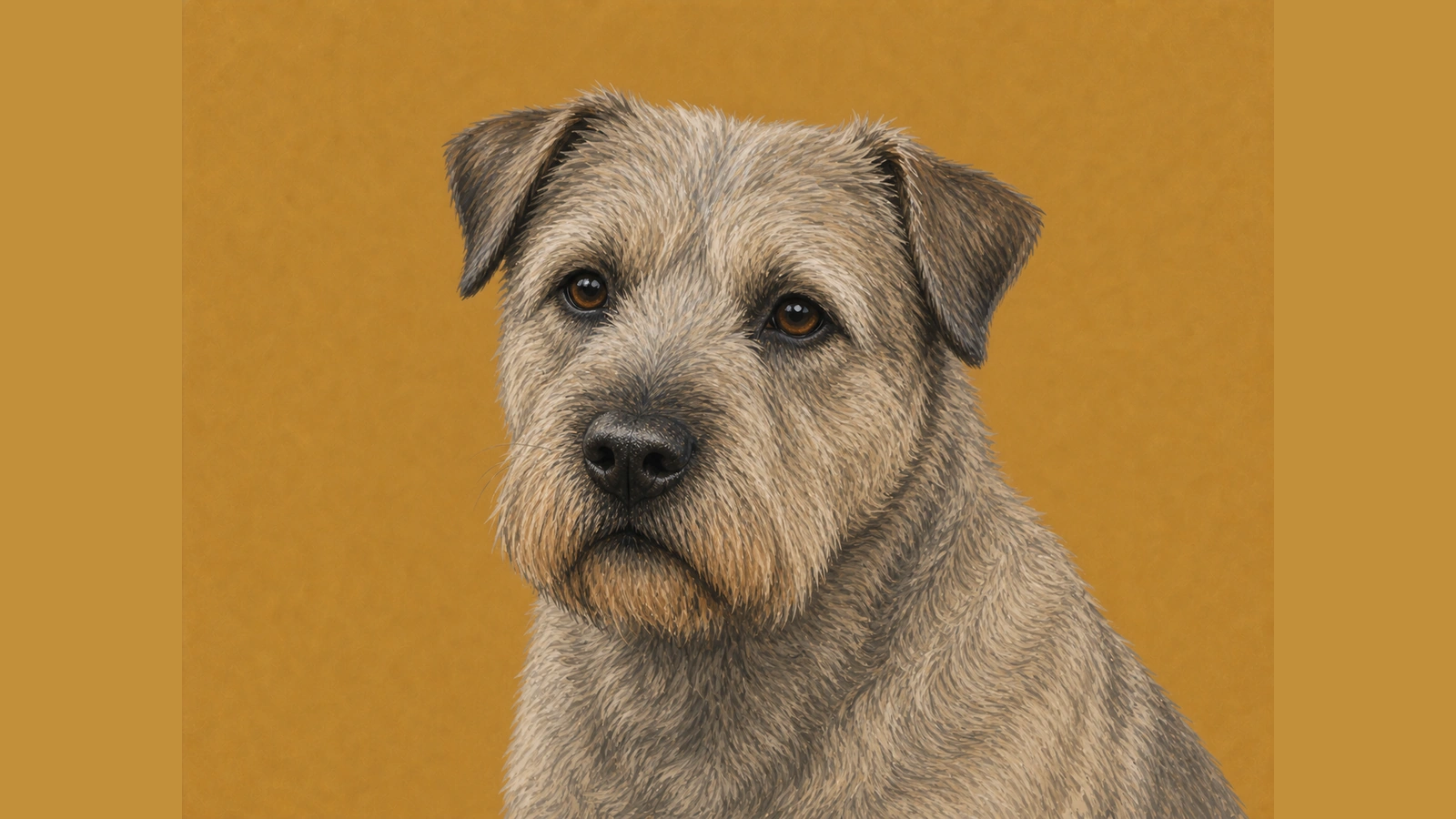
A Glen puppy under a year old that suddenly will not put weight on a front leg after a jump or fall needs a veterinary exam and an X-ray soon, rather than a few days of rest at home.
Glens are achondroplastic, meaning the short, bowed legs come from an inherited difference in how cartilage turns into bone as a puppy grows. The word comes from the Greek a-, "without," and chondros, "cartilage," and plasis, "formation." Young Glens are front-heavy, and their growth plates, the soft growing zones near the ends of the leg bones, are more vulnerable to injury than in a normally proportioned dog.
Breed references advise keeping puppies off sofas, chairs, and beds until about a year old, and WebMD notes that growth plates typically close at around 9 to 12 months, so stairs, jumping, and strenuous play are best limited until then. A growth plate injury can change how a leg develops afterward, which is why prevention matters more than treatment after the fact.

Which Inherited Eye and Spinal Cord Conditions Have DNA Tests?
The AKC terrier group health-testing page lists five recommended tests for the breed, including two DNA tests. The first is for progressive retinal atrophy of the cone-rod dystrophy 3 type, or PRA-crd3, an inherited, gradual breakdown of the light-sensing cells at the back of the eye that leads to blindness and has no cure. It is described as late in onset, with vision loss usually beginning around five years of age, so a dog can look perfectly normal for years. The Merck Veterinary Manual explains retinal disorders in detail.
The second is for degenerative myelopathy, or DM, a slowly progressive disease of the spinal cord that causes hind-leg weakness and poor coordination, usually in older dogs. The word myelopathy comes from the Greek myelos, "marrow," and pathos, "disease." A DNA test shows whether a dog carries the common variant, which helps breeders avoid pairings likely to produce affected puppies. The same page also recommends an eye examination by a veterinary ophthalmologist, along with hip and elbow evaluations.
- 01
Sudden loss of use of the back legs
Cannot stand or walk, or suddenly drags the hind paws.
- 02
Crying out in pain
Yelping when touched, picked up, or asked to move.
- 03
Loss of bladder or bowel control
New accidents in a dog that was house-trained.
- 04
A painful or suddenly cloudy eye
Squinting, redness, or a change in how the eye looks.
Slow changes are usually a different story from sudden ones, but because Glens hide discomfort so well, any new change in how your dog walks, sees, or reacts to touch is worth mentioning at the next visit.
Why Don't Hip and Elbow Problems Always Look Like Problems?
Hip dysplasia and elbow dysplasia are inherited malformations of the joint that can lead to arthritis, and PetMD calls them the most common joint problems in the breed. The word comes from the Greek dys-, "abnormal," and plasis, "formation." Hip dysplasia is reported as usually mild and rarely causes lameness, because the breed's low, muscular build often compensates, so X-rays can disagree with how a dog appears to move.
That is exactly why certified radiographs on breeding stock matter more than watching a dog walk. Weight matters too: WebMD notes obesity is a problem in the breed, and a Glen carrying extra weight on imperfect joints loses that natural compensation much sooner than a lean one.
What Skin and Weight Issues Should Owners Watch For?
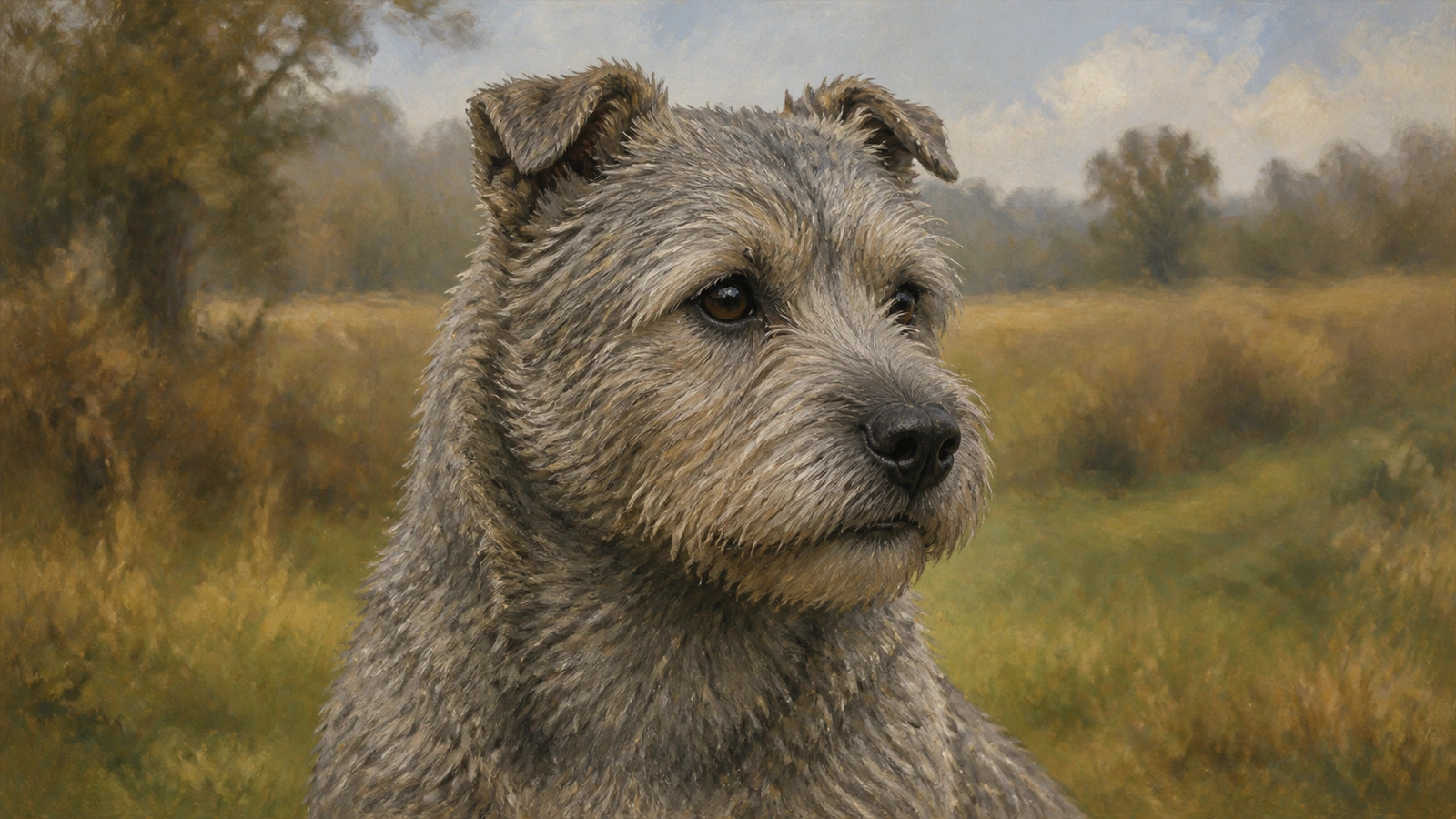
Some Glens have allergies, an overreaction of the immune system to everyday things such as pollen, dust, or certain foods. Owners usually notice itchy, red, or sore paws, especially in wet weather, recurring ear irritation, or skin infections that keep returning. Finding the trigger, whether environmental, food, or fleas, makes long-term control far easier than treating each flare alone, and the grooming guide covers coat and skin care between visits.
What Does Managing a Glen's Health Actually Cost?
| Condition or Need | Typical Cost Range | Notes |
|---|---|---|
| PRA and DM genetic panel | $65 to $150 | One-time, before breeding |
| Hip and elbow radiographs (certified) | $250 to $450 | Regardless of symptoms |
| Annual eye exam | $75 to $200 | Starting in early adulthood |
| Chronic allergy management | $200 to $600 per year | Varies by cause and severity |
| Puppy leg injury exam and X-ray | Highly variable | Best avoided by limiting jumps |
Questions to Ask a Breeder Before Buying a Puppy
Ask for PRA-crd3 and DM DNA results, along with hip, elbow, and eye evaluations, on both parents. These are the five tests the AKC lists as recommended for the breed, and a responsible breeder should have them on hand without hesitation. Ask also about growth plate injuries in the line and how the breeder manages puppy activity at home.

What Is Daily Life Like With a Glen of Imaal Terrier?
Despite the low-slung build, this is a genuine working terrier with real digging instinct and a calmer, quieter temperament than many terriers. PetMD describes moderate energy levels with both physical and mental exercise needed, and the personality guide covers the independent streak. The training guide shows how early socialization and patient, reward-based sessions keep a stubborn thinker engaged.
The double coat is hand-stripped, which means removing dead outer hair by hand, two to three times a year according to WebMD, with regular brushing in between. Check the ears weekly and brush the teeth often as part of the routine.
How Can You Keep a Glen Healthy Long Term?
PetMD and WebMD both put the lifespan at 10 to 15 years. Protect growing joints in puppyhood, keep your dog lean, and confirm PRA and DM testing before breeding. Pet insurance is worth pricing while your dog is young and healthy, before any condition becomes an exclusion.
Final Thoughts From a Veterinarian
Glens are sturdy, stoic terriers that usually live 10 to 15 years. Protect growing joints until about a year old, ask breeders for eye, DM, hip, and elbow results, and keep your dog lean. Your veterinarian can tailor the plan.
Health & Costs FAQ
How much do Glen of Imaal Terrier cost?
The cost of a Glen of Imaal Terrier typically ranges from $1,500 to $3,000 when purchased from a reputable breeder. Adoption fees are much lower, generally between $100 and $500. Owners should also budget for initial supplies and ongoing costs for high-quality food and veterinary care.
Purchase cost: 6 / 10
How long do Glen of Imaal Terrier live?
Glen of Imaal Terriers typically live 10 to 15 years, according to PetMD and WebMD. A balanced diet, a lean weight, regular exercise, and routine veterinary check-ups help, and DNA testing for progressive retinal atrophy (PRA-crd3) and degenerative myelopathy in breeding stock supports healthier lines.
Life expectancy: 7 / 10
Are Glen of Imaal Terrier healthy dogs?
The Glen of Imaal Terrier is generally a sturdy, healthy breed with a lifespan of 10 to 15 years. Known concerns include growth plate injuries in puppies, hip and elbow dysplasia, progressive retinal atrophy, degenerative myelopathy, and skin allergies. The AKC lists hip, elbow, eye, PRA-crd3, and DM tests as recommended for the breed.
Health: 7 / 10
What health problems do Glen of Imaal Terrier have?
Glen of Imaal Terriers are generally sturdy but have several breed-specific concerns. Puppies are prone to growth plate injuries, so jumping and stairs should be limited until about a year old. Adults can develop late-onset progressive retinal atrophy, degenerative myelopathy, hip and elbow dysplasia, and skin allergies. Ask breeders for DNA clearances and hip, elbow, and eye results.
Health problem risk: 4 / 10
Are Glen of Imaal Terrier expensive to maintain?
Glen of Imaal Terriers have moderate maintenance costs. They are low-shedding but need hand-stripping two to three times a year, routine dental and ear care, and a lean weight. Owners should budget for high-quality food and possible joint or allergy care.
Maintenance cost: 4 / 10
How much does it cost to own a Glen of Imaal Terrier per month?
Expect to spend between $200 and $350 per month to own a Glen of Imaal Terrier. This budget covers high-quality food, routine veterinary care, and pet insurance. Additionally, factor in professional stripping and possible joint or allergy care.
Monthly ownership cost: 4 / 10
How much does pet insurance cost for a Glen of Imaal Terrier?
Pet insurance for a Glen of Imaal Terrier typically ranges from $35 to $65 per month, though quotes vary by location, age, and coverage. Because inherited eye and joint conditions and allergies can occur, comprehensive coverage is worth comparing while your dog is young and healthy.
Pet insurance cost: 3 / 10
Will homeowners insurance cover a Glen of Imaal Terrier?
Yes, most homeowners insurance policies cover Glen of Imaal Terriers, as they are not typically found on restricted breed lists. As an uncommon but gentle breed, they are generally considered low-risk. Always disclose your pet to your insurer to ensure your liability coverage remains fully active.
Homeowners insurance difficulty: 9 / 10
Are Glen of Imaal Terrier on insurance restricted breed lists?
No, Glen of Imaal Terriers are not typically found on insurance restricted-breed lists. They are generally viewed as low-risk pets by most insurers. Owners usually enjoy standard coverage, though you should always disclose your pet to ensure your liability protection remains active.
Insurance restriction risk: 3 / 10
Can you get renters insurance with a Glen of Imaal Terrier?
Yes, you can typically obtain renters insurance with a Glen of Imaal Terrier. Since they are rarely found on restricted breed lists, most standard policies will provide liability coverage. However, it is essential to disclose your pet to your insurer to ensure your liability protection remains valid.
Renters insurance difficulty: 8 / 10