Chinese Shar-Pei Health and Costs
Breed Group
Companion Dogs
Country of Origin
China
Breed Size
Medium
AKC Recognition
Yes, recognized in 1992
FCI Recognition
Yes, recognized in 1981
Rarity
Very Common2 / 10
Purchase cost
Moderate5 / 10
Life expectancy
Moderate Lifespan5 / 10
Health
Notable health concerns3 / 10
Health problem risk
Very high health burden8 / 10
Maintenance cost
High maintenance cost7 / 10
A Veterinarian's Guide
Chinese Shar-Pei Health Problems and Costs
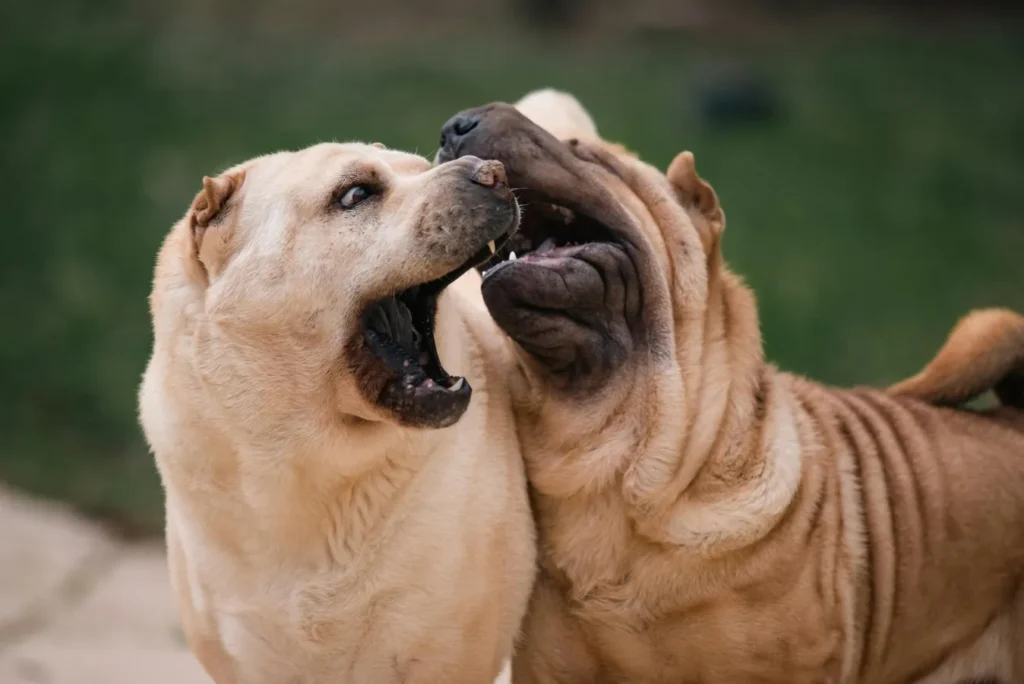
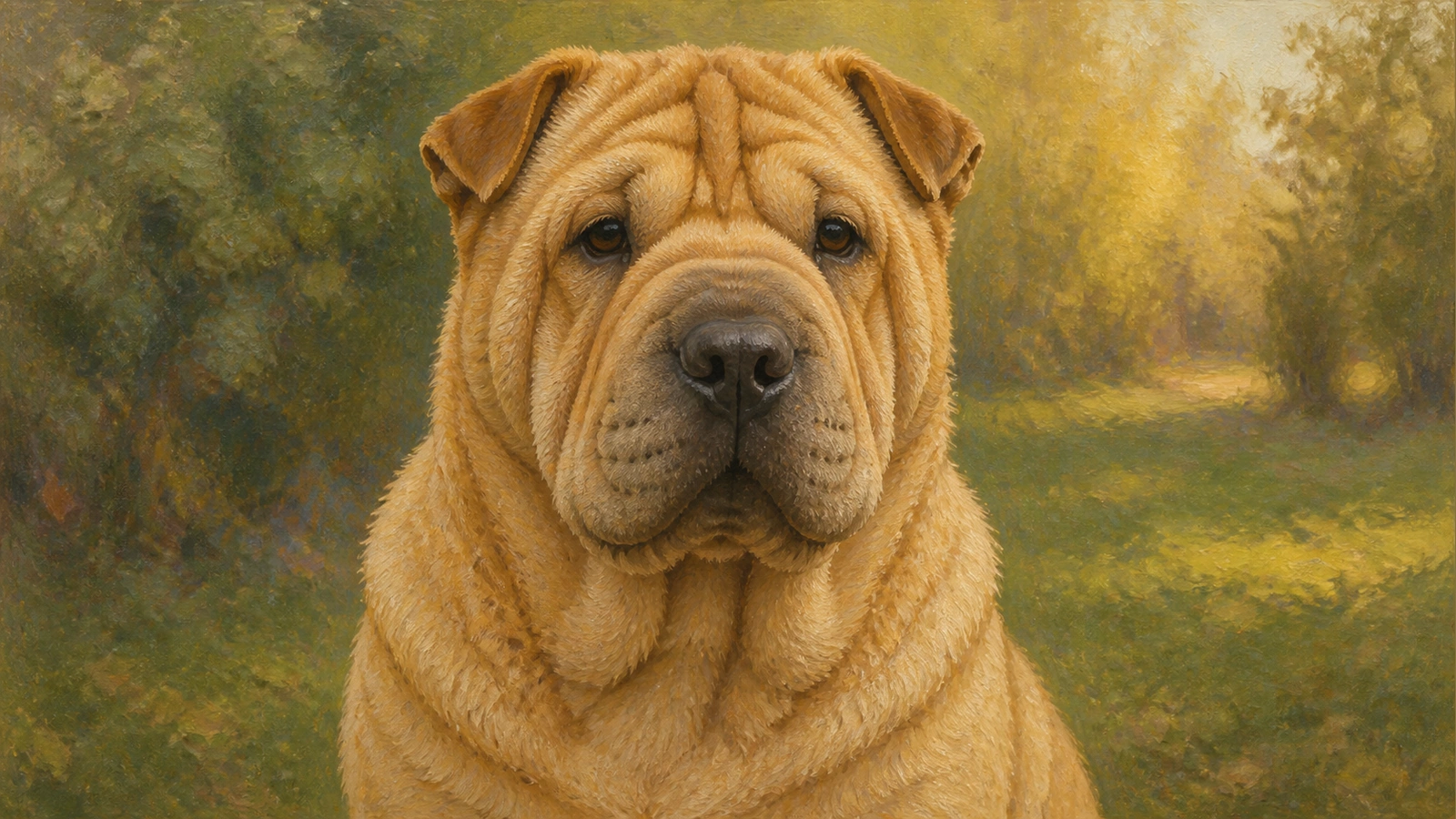
The Chinese Shar-Pei is a loyal, reserved companion known for its deep wrinkles and bristly coat. Most of its health problems trace back to that loose, folded skin or to an inherited tendency toward inflammation: recurrent fever episodes, kidney involvement, inward-turning eyelids, skin and ear disease, and some joint problems. These are reasons to build a relationship with a veterinarian who knows the breed, not a prediction that your dog will develop every condition here.
In this guide
What Is Shar-Pei Fever?
A fever or a Shar-Pei that suddenly seems unwell needs a veterinary exam the same day, because fever can also come from infection or other illness and should not be assumed to be a Shar-Pei fever episode.
Familial Shar-Pei fever, part of Shar-Pei autoinflammatory disease, or SPAID, causes recurring fevers, often with soft, painful swelling of the hocks, the joints above the back paws. Episodes usually last a day or two and then pass, and the Merck Veterinary Manual notes that it is a diagnosis made after other causes of fever are ruled out. A genetic test can estimate risk, as Cornell's SPAID information explains, but it cannot confirm that today's fever is SPAID.
Why Does Kidney Monitoring Matter?
Repeated inflammation can lead to amyloidosis, in which abnormal protein deposits build up in organs, mainly the kidneys. Amyloid comes from the Greek amylon, "starch," because the deposits looked starch-like under early microscopes. Kidney or liver failure can follow, sometimes by around age six. The Merck manual recommends routine screening for protein loss in the urine for all Shar-Peis, so ask your veterinarian how often to test. If drinking, urination, appetite, or energy changes, book an exam instead of waiting for the next routine visit.
How Should Owners Handle Wrinkles and Skin Trouble?
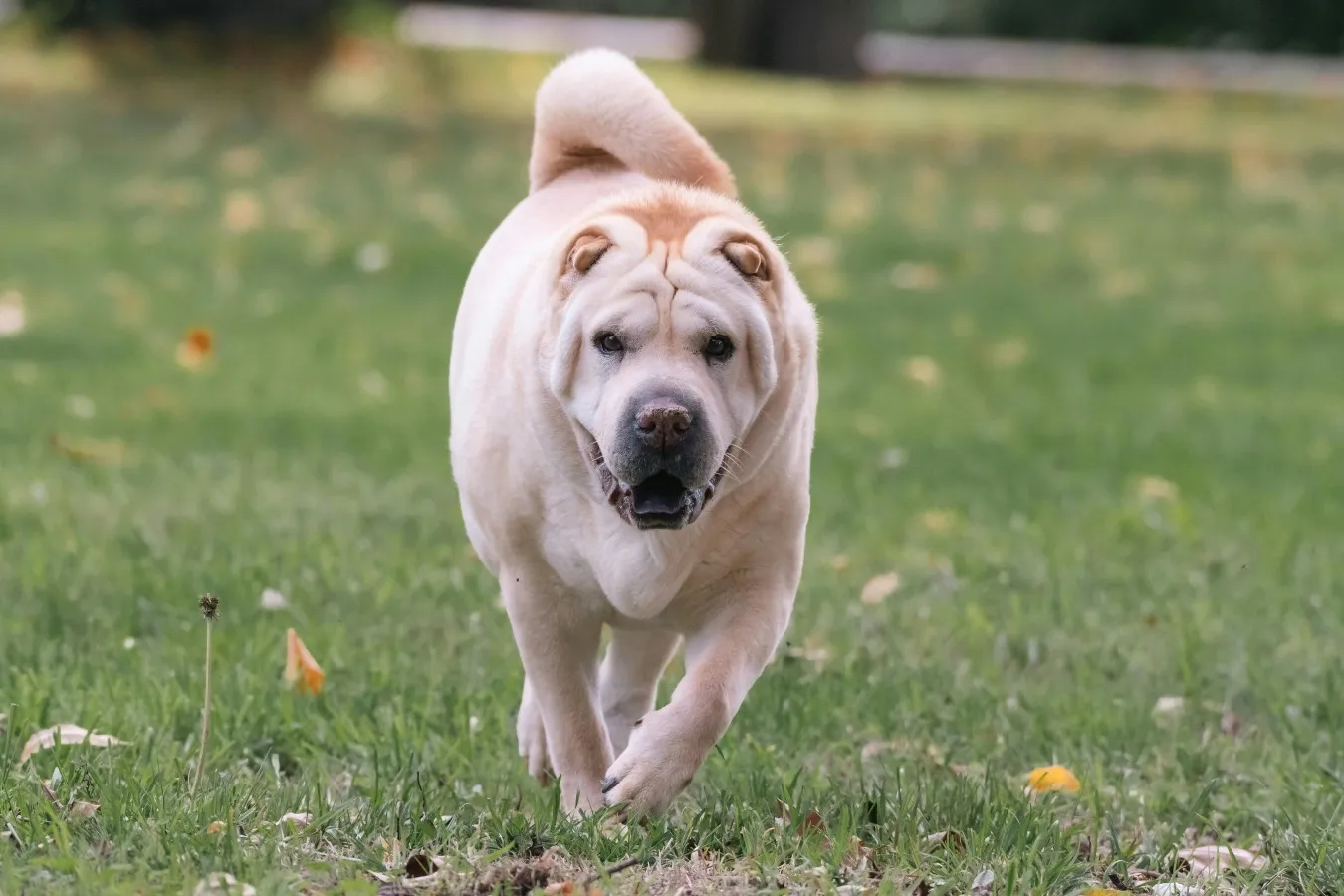
Skin folds hold moisture and warmth, which lets yeast and bacteria grow. Atopic dermatitis, an inherited allergic skin disease that causes itching, was recorded in 7.7% of Shar-Peis against 3.1% of dogs overall in one large records review, and puppies are also more prone to demodectic mange, a skin mite problem. Redness, odor, discharge, soreness, or persistent licking are reasons for a skin exam. Dry the folds after baths, follow the cleaning plan your veterinary team gives you, and ask what is driving problems that keep returning.
When Is an Eye Problem Urgent?
Entropion, a condition in which the eyelid rolls inward so that hair and lashes rub on the eye, is common in the breed. Entropion comes from the Greek en, "in," and trepein, "to turn." The cornea can ulcerate, and untreated cases can threaten sight, so squinting, tearing, redness, or discharge needs a prompt eye exam. The American College of Veterinary Ophthalmologists explains treatment options, which range from temporary eyelid tacking in puppies to surgery. Glaucoma, a painful rise in eye pressure, was also recorded more often in Shar-Peis than in mixed breeds.
- 01
Painful eye
Squinting, pawing at the eye, or holding it shut.
- 02
Suddenly cloudy eye
The eye turns bluish or hazy over hours or days.
- 03
Red eye or discharge
Redness, heavy tearing, or thick discharge.
- 04
Apparent vision loss
Bumping into things or hesitating in familiar places.
What About the Ears and Joints?
Shar-Peis are predisposed to otitis externa, inflammation of the outer ear canal. Otitis comes from the Greek ous, "ear." The ears are small and the canals narrow, and allergies often contribute, so head shaking, odor, discharge, or pain deserves an ear exam before any drops are used. Elbow dysplasia, an inherited malformation of the elbow that leads to lameness and arthritis, was found in about 24% of Shar-Peis over age two in a large review of elbow X-rays, so any limping should be checked.
What Does Managing a Chinese Shar-Pei's Health Actually Cost?
| Condition or Need | Typical Cost Range | Notes |
|---|---|---|
| Everyday ownership | $115 to $940 a month | Wide range with health needs |
| Pet insurance | $35 to $115 a month | Varies with age and plan |
| Eyelid, kidney, or skin care | Varies widely | Ask for an itemized estimate |
Questions to Ask a Breeder Before Buying a Puppy
Ask about fever episodes, kidney disease, entropion, and skin or ear trouble in the parents and relatives, and whether SPAID testing was used. The Chinese Shar-Pei Club of America's CHIC program lists elbow, hip, patella, thyroid, and eye evaluations, so ask to see the actual results. A CHIC number means the tests were recorded, not that every result was normal.
Daily Life With a Chinese Shar-Pei
This is a calm, dignified dog that is reserved with strangers, so early, gentle socialization matters. The short, bristly coat is easy to groom, but the folds need regular attention, as the grooming guide explains. Shar-Peis are loyal and independent, as the personality profile shows, and consistent, positive training from puppyhood works best.
Keeping Your Chinese Shar-Pei Healthy for the Long Run
Record fever episodes and bring the notes to your veterinarian, keep the folds clean and dry, and arrange routine urine and eye checks. Pet insurance is worth pricing while your dog is young and healthy, so compare hereditary-condition terms, waiting periods, and pre-existing-condition exclusions before enrolling.
Final Thoughts From a Veterinarian
Chinese Shar-Peis usually live around 10 years. Learn the signs of fever episodes, ask about routine urine protein checks, treat a painful eye as urgent, and keep folds dry. Budget roughly $115 to $940 a month. Your veterinarian can tailor the plan.
Health & Costs FAQ
How much do Chinese Shar-Pei cost?
The cost of a Chinese Shar-Pei typically ranges from $500 to $3,000 from a breeder, with show-quality pups costing more. Adoption is a more affordable option at $50 to $500. Owners should prepare for significant lifetime veterinary expenses due to the breed's common health issues.
Purchase cost: 5 / 10
How long do Chinese Shar-Pei live?
A 2024 UK study reported a median life expectancy of about 10.6 years for Chinese Shar-Peis. Routine urine and eye checks, skin fold care, and prompt attention to fever episodes help protect their health.
Life expectancy: 5 / 10
Are Chinese Shar-Pei healthy dogs?
Chinese Shar-Peis are loyal companions but have notable health concerns. Their folded skin invites infections and allergic skin disease, and they are prone to entropion, glaucoma, elbow dysplasia, and an inherited inflammatory condition called Shar-Pei fever that can affect the kidneys. Regular veterinary care and monitoring are essential.
Health: 3 / 10
What health problems do Chinese Shar-Pei have?
Chinese Shar-Peis are prone to Familial Shar-Pei Fever, which can lead to kidney amyloidosis, entropion that often needs surgical correction, skin fold infections, allergic skin disease, ear infections, and elbow dysplasia. Routine urine screening and prompt eye care are key.
Health problem risk: 8 / 10
Are Chinese Shar-Pei expensive to maintain?
Chinese Shar-Peis have moderate to high maintenance costs. Their short coat is easy to groom, but deep wrinkles need regular care, and owners should budget for veterinary costs from breed-specific conditions such as skin disease, eye problems, and Shar-Pei fever.
Maintenance cost: 7 / 10
How much does it cost to own a Chinese Shar-Pei per month?
Monthly ownership costs typically run about $115 to $940, depending mostly on how much veterinary care the dog needs.
Monthly ownership cost: 5 / 10
How much does pet insurance cost for a Chinese Shar-Pei?
Pet insurance for a Chinese Shar-Pei generally costs between $35 and $115 per month. Premiums vary based on the dog's age, location, and chosen coverage plan. Since this breed is prone to skin and eye issues, insurance is highly recommended to manage unexpected medical expenses.
Pet insurance cost: 5 / 10
Will homeowners insurance cover a Chinese Shar-Pei?
Yes, most homeowners insurance policies cover Chinese Shar-Peis, as they are not typically on restricted breed lists. However, due to their protective nature, some insurers may evaluate them on a case-by-case basis. Always verify specific liability coverage with your provider to ensure your home is fully protected.
Homeowners insurance difficulty: 7 / 10
Are Chinese Shar-Pei on insurance restricted breed lists?
Yes, Chinese Shar-Peis sometimes appear on insurance restricted-breed lists due to their guard dog history and perceived liability risks. While coverage is available through many providers, some insurers may charge higher premiums or exclude the breed. Always disclose your pet to ensure full liability protection.
Insurance restriction risk: 5 / 10
Can you get renters insurance with a Chinese Shar-Pei?
Yes, you can typically get renters insurance with a Chinese Shar-Pei, but availability varies by provider. Some insurers classify them as a restricted breed due to their guard dog instincts. Always check your lease and insurance policy for specific breed exclusions to ensure full liability coverage.
Renters insurance difficulty: 6 / 10