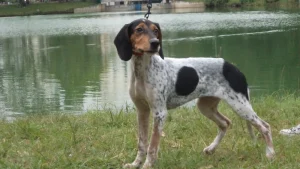
Magyar Agár Training Profile
Breed Group
Hound Dogs
Country of Origin
Hungary
Breed Size
Large
AKC Recognition
No
FCI Recognition
Yes, recognized in 1966
Mental stimulation needs
Above Average7 / 10
Trainability
7 / 10
Picky eater
Voracious9 / 10
Easy to train
Willing7 / 10
Training stubbornness
Willing7 / 10
Puppy training
Above Average7 / 10
Training FAQ
Are Magyar Agár easy to train?
Magyar Agars are intelligent and eager to learn, making them relatively easy to train, especially when starting at a young age. While they possess an independent sighthound streak, they respond well to positive reinforcement and reward-based methods. Consistency and early socialization are key to managing their reserved nature and ensuring they become well-mannered companions.
Easy to train: 7 / 10
Are Magyar Agár stubborn to train?
Magyar Agars are intelligent and generally easier to train than many other sighthounds, but they can still exhibit a typical independent streak. While they love to learn, they may become stubborn if sessions are repetitive. Using positive reinforcement and starting obedience at a young age is essential.
Training stubbornness: 7 / 10
How do you train a Magyar Agár puppy?
Train your Magyar Agar puppy using positive reinforcement and reward-based methods, as they are intelligent and eager to learn. Start basic obedience and socialization early to manage their independent streak and ensure they grow into well-mannered adults. Keep training sessions fun and varied to prevent boredom, and focus on teaching impulse control and recall to manage their natural hunting instincts.
Puppy training: 7 / 10
How difficult is potty training in Magyar Agár?
Magyar Agars are intelligent and generally easier to train than many other sighthounds, but they can still exhibit a typical independent streak. While they love to learn, they may become stubborn if sessions are repetitive. Using positive reinforcement and starting obedience at a young age is essential.
Potty training difficulty: 7 / 10
How many walks does a Magyar Agár need?
Magyar Agars are high-energy sighthounds that require at least 60 to 90 minutes of vigorous daily exercise. While they can be couch potatoes indoors, they need long, brisk walks and regular opportunities to run at full speed in a secure, fenced area. This breed makes an excellent companion for distance runners or cyclists due to their incredible stamina and endurance.
Walking need: 8 / 10
What is the best daily routine for a Magyar Agár?
A Magyar Agars daily routine should balance intense physical activity with calm indoor rest. Provide at least 60 to 90 minutes of vigorous exercise, such as running, hiking, or sprinting in a secure area to satisfy their high stamina. Feed them high-quality meals split into two or more portions to minimize the risk of bloat, ensuring they rest before and after eating. Maintenance is minimal, requiring only a weekly brushing of their short coat and regular nail checks. Incorporate positive reinforcement training and early socialization to engage their intelligent minds, allowing them to spend the rest of the day as quiet, affectionate companions in the home.
Routine need: 4 / 10
Vet Insights
Magyar Agárs are intelligent, cooperative sighthounds that are relatively easy to train using positive reinforcement, though they retain an independent streak. They have extreme exercise needs, requiring 60 to 90 minutes of vigorous daily activity and sprinting. While voracious eaters prone to bloat, they are low-maintenance companions that balance high outdoor stamina with a calm, affectionate indoor presence.