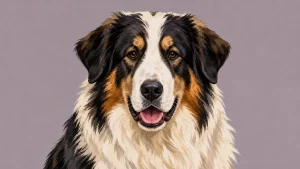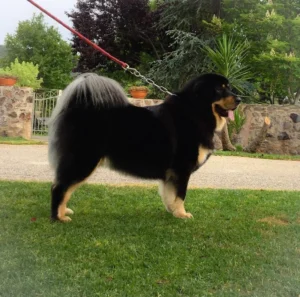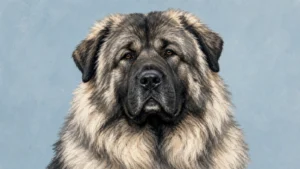
Mastiff Health and Costs
Breed Group
Working Dogs
Country of Origin
United Kingdom
Breed Size
Giant
AKC Recognition
Yes, recognized in 1885
FCI Recognition
Yes, recognized in 1964
Rarity
Very Common2 / 10
Purchase cost
Moderate to Expensive6 / 10
Life expectancy
Short Lifespan2 / 10
Health
Notable health concerns3 / 10
Health problem risk
Very high health burden8 / 10
Maintenance cost
High maintenance cost7 / 10
A Veterinarian's Guide
Mastiff Health Problems and Costs
The Mastiff is a calm, gentle giant that commands a room, and its sheer size is behind most of its health risks. Hip dysplasia, bloat, fast puppy growth, cancer, and a few heart and metabolic conditions all matter more in a dog this large. Knowing them before you bring a puppy home, or while you already share your life with one, makes screening and vet visits much easier to plan.
In this guide
Bloat Is an Emergency in Giant, Deep-Chested Dogs
Bloat, medically gastric dilatation-volvulus, happens when the stomach fills with gas and twists on itself, cutting off its own blood supply. Volvulus comes from the Latin volvere, "to twist." Gastric torsion is listed among the Mastiff's major health problems, there is no home treatment, and surgery is the only way to correct a twisted stomach. Dogs who reach surgery quickly generally do better, so learn these warning signs before you need them.
A swollen, tight abdomen with unproductive retching is an emergency, so go to a veterinary hospital right away and do not wait to see if it passes.
- 01
Swollen belly
The abdomen looks tight, rounded, or distended.
- 02
Unproductive retching
Straining to vomit with little or nothing coming up.
- 03
Restlessness and drooling
Pacing, drooling, or being unable to settle.
- 04
Sudden collapse
The dog becomes weak or collapses.
Feeding two or three meals a day rather than one large meal is thought to lower the risk, though no precaution removes it. Many veterinarians suggest discussing a preventive gastropexy. The word comes from the Greek gaster, "stomach," and pexis, "fixing in place." The surgery tacks the stomach to the abdominal wall, often at the same time as a spay or neuter, and it stops the twisting, which is the dangerous part.
Why Do Mastiffs Need Hip and Elbow Screening?
Hip dysplasia is an inherited malformation of the hip joint that leads to looseness, pain, and arthritis over time, and it is listed among the breed's major problems. Elbow dysplasia is the same kind of problem in the elbow. Arthritis comes from the Greek arthron, "joint," and -itis, "inflammation." A Mastiff's body weight adds mechanical stress to joints that are already under strain, so a lean weight helps. Reluctance to rise, stiffness, or a bunny-hopping gait are worth mentioning to your veterinarian.
How Should Owners Manage Rapid Puppy Growth?
Giant-breed puppies pack a great deal of growth into a short window, and their bones and joints can struggle to keep up. Avoid excessive running and repetitive jumping while the growth plates are still open, which can take up to about two years, and ask your veterinarian about a large-breed puppy food that controls the growth rate instead of maximizing it. Soft bedding also helps prevent calluses and pressure sores on a heavy dog's elbows.
What About the Heart, Eyes, and Kidneys?
Cardiomyopathy, a disease of the heart muscle itself, occurs occasionally in the breed, which is why a cardiac exam is on the breed club's recommended list. Cardiomyopathy comes from the Greek kardia, "heart," mys, "muscle," and pathos, "disease." Entropion, in which the eyelid rolls inward so the lashes rub the eye, and progressive retinal atrophy, an inherited breakdown of the retina's light-sensing cells, also occur, so an eye exam helps. Cystinuria, an inherited kidney transport problem that can lead to urinary stones, has a DNA test as well.
Weight, Cancer, and Skin Care
Obesity is a common problem in the breed, and extra weight accelerates joint wear and strains the heart, so keep your Mastiff lean. Osteosarcoma, an aggressive bone cancer, is also listed among the breed's common problems, so persistent lameness or a painful swelling on a leg needs prompt imaging. Loose facial skin can trap moisture, so wipe and dry the folds around the muzzle and eyes, and note that heavy, sudden, or foul-smelling changes in drooling can point to a dental problem or nausea.
What Does Managing a Mastiff's Health Actually Cost?
| Condition or Need | Typical Cost Range | Notes |
|---|---|---|
| Routine wellness care | $250 to $450 a year | Exam, vaccines, preventives |
| Hip and elbow X-rays | $200 to $500 | One-time screening |
| Preventive gastropexy | $200 to $800 | Often done with spay or neuter |
| Heart screening | $50 to $400 | Exam plus occasional echocardiogram |
| Food for a giant dog | $800 to $1,400 a year | Large-breed volume |
| Emergency bloat surgery | $3,000 to $8,000 | Life-threatening, surgical |
Questions to Ask a Breeder Before Buying a Puppy
Ask for health results on both parents, since the breed club's recommended list includes patella, hip, and elbow evaluations, a cardiac exam, an eye exam, a thyroid evaluation, and DNA tests for cystinuria, progressive retinal atrophy, degenerative myelopathy, and canine multifocal retinopathy. Also ask about bloat, bone cancer, and lifespan in the lines.
Daily Life With a Mastiff
This is a dignified, devoted family dog that wants to be near its people, so plan on moderate walks and plenty of room to stretch out. The short coat needs only routine brushing, as the grooming guide explains. Mastiffs are gentle and loyal, as the personality profile shows, but an adult weighing well over a hundred pounds needs early, calm training and good leash manners from puppyhood.
Keeping Your Mastiff Healthy for the Long Run
Keep your dog lean, prefer controlled, moderate exercise such as walks and swimming, schedule hip, elbow, and heart checks as your veterinarian advises, and learn the warning signs of bloat before you need them. Giant breeds have shorter lives, so make the most of every year. Pet insurance is worth pricing while your dog is young and healthy, because a single bloat or joint emergency can become a multi-thousand-dollar bill.
Final Thoughts From a Veterinarian
Mastiffs often live around 9 years. Feed several smaller meals, keep puppies lean and off hard repetitive exercise, screen hips, elbows and hearts, and treat a swollen belly as an emergency. Budget roughly $200 to $600 a month. Your veterinarian can tailor the plan.
Health & Costs FAQ
How much do Mastiff cost?
Purchasing a Mastiff puppy typically costs between $1,000 and $3,500 from a reputable breeder, though show-quality lineages can reach $5,000. Adoption is a more affordable option at $50 to $350. Owners should also budget $600 to $850 for initial supplies like large-sized crates and beds.
Purchase cost: 6 / 10
How long do Mastiff live?
Mastiffs typically live about 6 to 10 years, and a 2024 UK study reported a life expectancy of about 9 years. A lean weight, controlled exercise, and early screening help them stay comfortable for as long as possible.
Life expectancy: 2 / 10
Are Mastiff healthy dogs?
Mastiffs are gentle giants but have notable health concerns because of their size. Hip dysplasia and bloat are major problems, and obesity, bone cancer, and an inherited kidney stone condition called cystinuria are also reported. Screening, weight control, and regular veterinary checkups are essential.
Health: 3 / 10
What health problems do Mastiff have?
Mastiffs are prone to hip and elbow dysplasia, bloat (gastric dilatation-volvulus), obesity, and osteosarcoma, plus cystinuria. Cardiomyopathy, entropion, and progressive retinal atrophy occur occasionally. Screening breeding dogs and keeping a lean weight help most.
Health problem risk: 8 / 10
Are Mastiff expensive to maintain?
Mastiffs are expensive to maintain mainly because of their giant size. They eat large amounts of food and need higher doses of routine medications, and treatments and preventive care cost more than for an average dog.
Maintenance cost: 7 / 10
How much does it cost to own a Mastiff per month?
Expect to spend roughly $200 to $600 a month to own a Mastiff. Most of that goes toward large amounts of food, routine veterinary care, and preventives, and costs vary by location.
Monthly ownership cost: 7 / 10
How much does pet insurance cost for a Mastiff?
Pet insurance premiums for Mastiffs are among the highest for all breeds, often averaging over $200 per month.
Pet insurance cost: 10 / 10
Will homeowners insurance cover a Mastiff?
Coverage varies by insurer. Several large insurers list the Mastiff as a restricted breed because of its size, while others cover it, so disclose your dog to your agent and confirm liability coverage in writing.
Homeowners insurance difficulty: 5 / 10
Are Mastiff on insurance restricted breed lists?
Yes, Mastiffs appear on several insurers' restricted-breed lists, largely because of their massive size. That can mean higher premiums, exclusions, or denials, so confirm specific policies with your provider before bringing one home.
Insurance restriction risk: 7 / 10
Can you get renters insurance with a Mastiff?
Obtaining renters insurance with a Mastiff can be challenging, as they are often on restricted breed lists due to their large size. While some insurers may deny coverage or exclude liability, many providers evaluate dogs individually. Always disclose your pet and consider specialized liability insurance if needed.
Renters insurance difficulty: 4 / 10