Skip to content

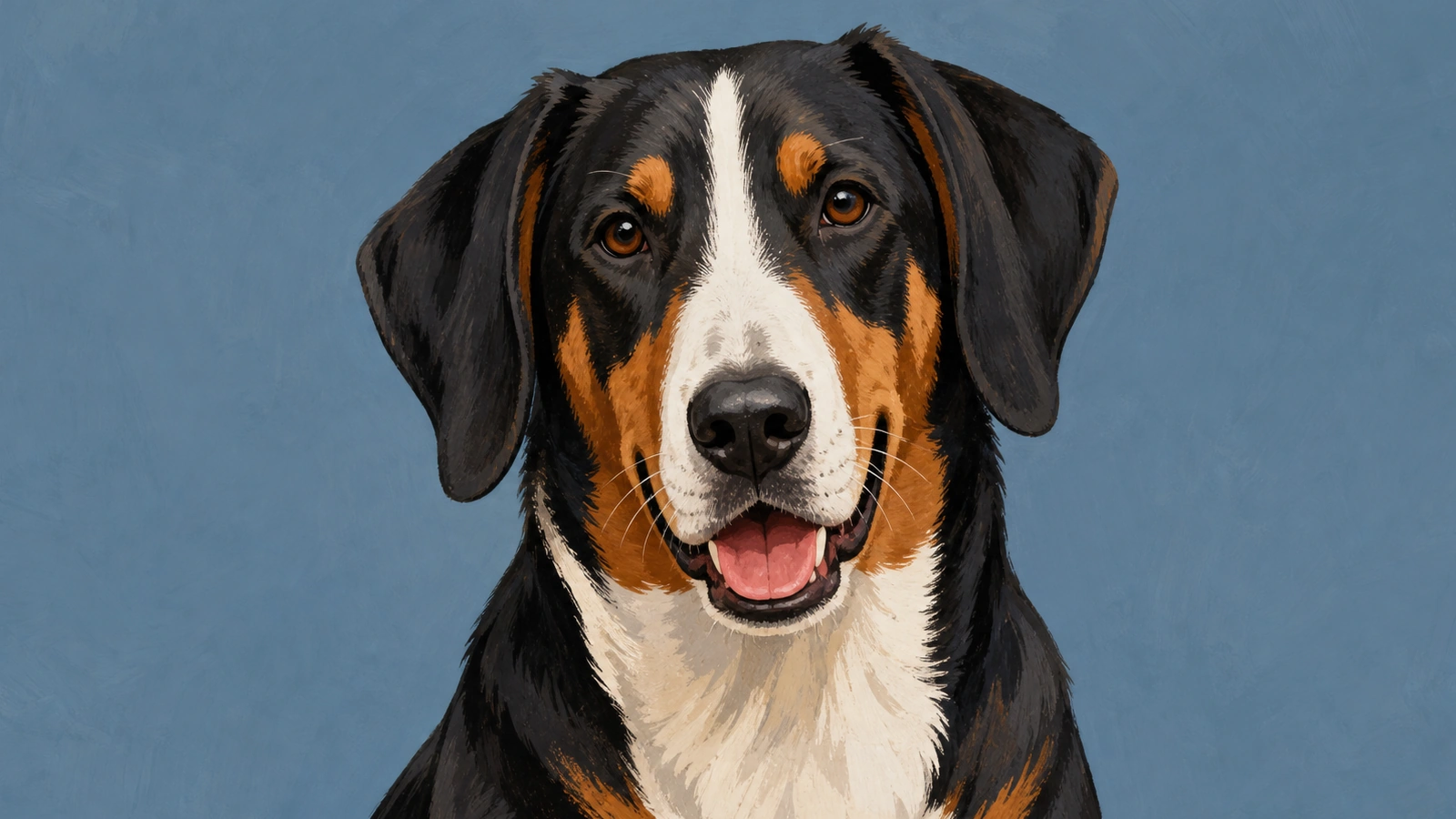
Norwegian Hound - MAIN HUB

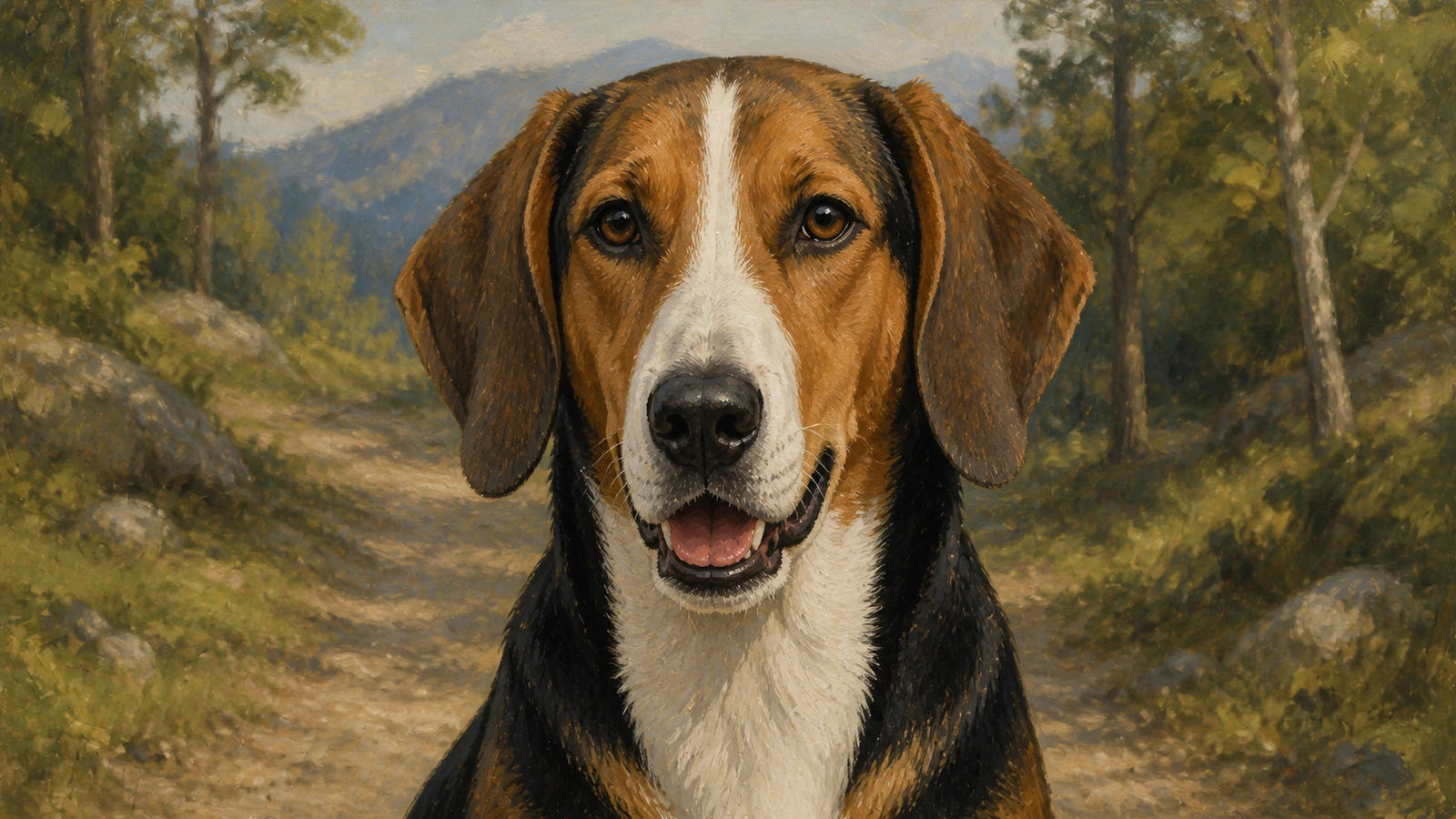
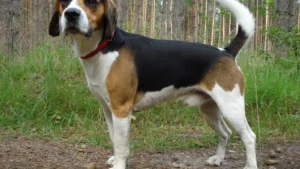
Meet the Norwegian Hound, a loyal and energetic partner perfect for active families who love outdoor adventures and a devoted, vocal companion!

BREED GROUP

Hound Dogs

Country of origin

Norway

BREED SIZE

Medium

BREED HEIGHT

19 -

21 IN

48 -

53 cm

BREED WEIGHT

40 -

60 LB

18 -

27 KG

WHAT YOU NEED TO KNOW

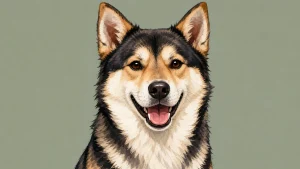
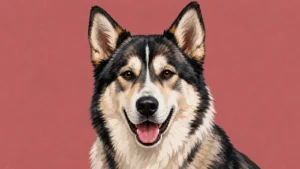
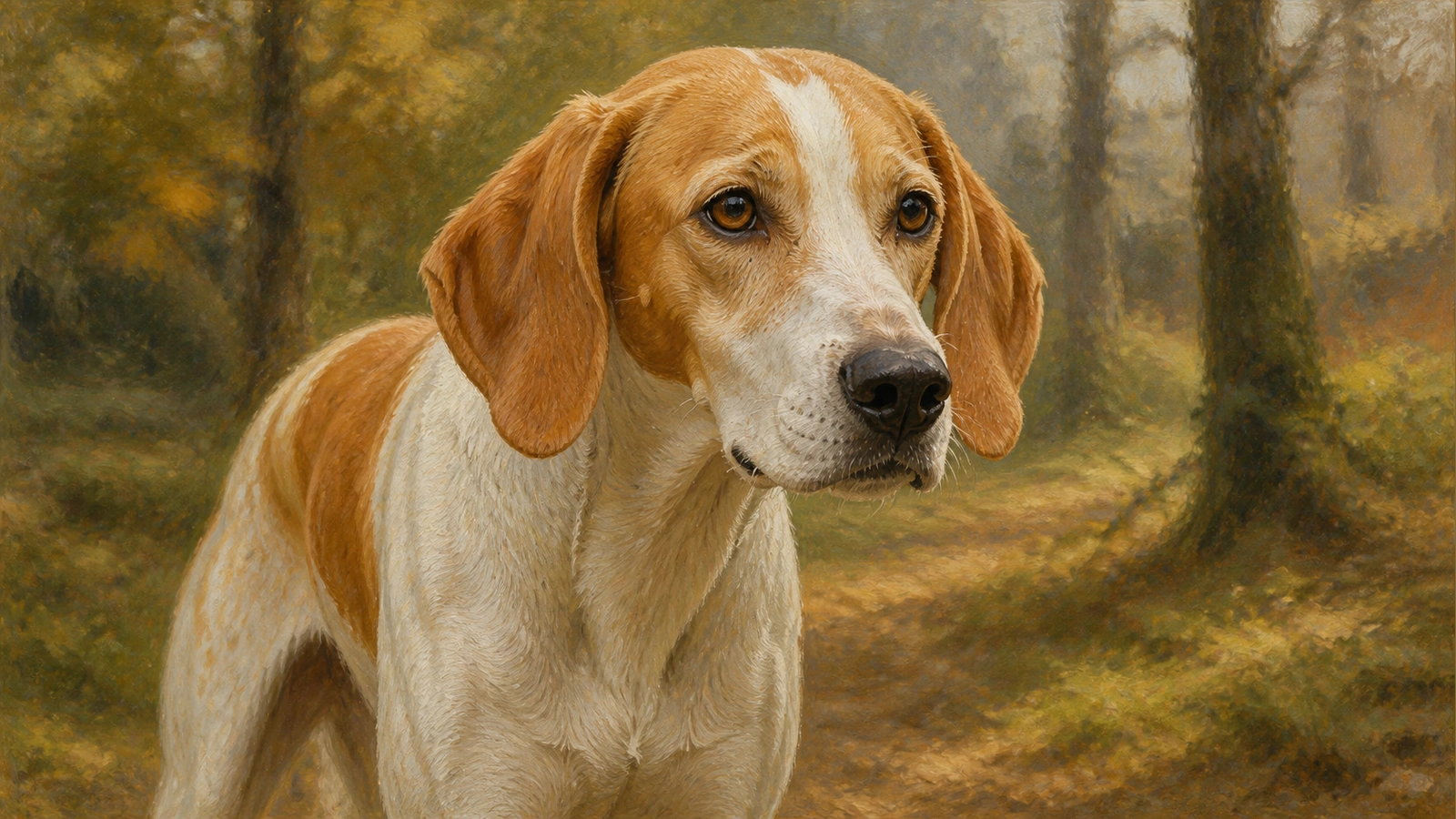
The Norwegian Elkhound is a robust, ancient Spitz-type breed from Norway, historically used for hunting big game like moose and bear. Known for their silver-gray double coat and tightly curled tail, these medium-sized dogs are courageous, loyal, and energetic. They make excellent family companions but require significant daily exercise and mental stimulation to prevent destructive behavior. Due to their independent nature and high prey drive, they may be challenging for first-time owners. As natural watchdogs, they are vocal and alert, often barking to communicate with their human "pack."
american kennel club (AKC) recognition

No

Breed was recognized in 0.

International Canine Federation (FCI) recognition

Yes

Breed was recognized in 1966.
WHAT DO OWNERS WANT TO KNOW?

Are Norwegian Hounds good family dogs?

Good

7 out of 10

The Norwegian Elkhound is an excellent family companion known for being courageous, loyal, and devoted to its human "pack." However, they require significant daily exercise and mental stimulation to prevent destructive behavior and are best suited for active families who can manage their independent nature.

Good

7 out of 10

Norwegian Elkhounds are generally excellent with children, known for their patient, playful, and protective nature. Their medium size and sturdy build make them great companions for active kids, though their exuberant energy means they may accidentally knock over smaller children. While they are famously kind and maternal, supervision is always recommended to ensure play remains safe and to teach children how to interact respectfully with their pets.

Not Recommended

7 out of 10

Norwegian Hounds can be a suitable choice for first-time owners who are dedicated to consistent, positive reinforcement training and meeting high exercise needs. While their independent nature and stubborn streak can be challenging for novices, their loyalty and intelligence make them rewarding companions for those willing to provide early socialization and a clear leadership structure.

Poor

2 out of 10

Norwegian Hounds are poor apartment dogs due to their high energy levels, vocal nature, and need for significant physical and mental stimulation. Their history as independent hunters means they are prone to frequent alert barking, which can be disruptive in shared buildings. While they are adaptable and can thrive in smaller spaces if provided with 90 to 120 minutes of daily vigorous exercise and constant companionship, they are much better suited to homes with secure outdoor space.

Below Average

6 out of 10

A yard is not strictly required for a Norwegian Hound, but it is recommended to accommodate their high energy and natural hunting instincts. While they are adaptable to apartment living and can thrive in small homes if provided with vigorous daily exercise and mental stimulation, a securely fenced yard is ideal.

Above Average

6 out of 10

Norwegian Hounds are independent dogs that can handle moderate periods of solitude if well-exercised beforehand. However, they are pack-oriented and may become vocal or destructive if left alone for too long without mental stimulation.

Good

6 out of 10

Norwegian Hounds generally coexist well with cats, especially when raised together from a young age. While their hunting background can trigger a chase instinct, early socialization and consistent training usually result in a friendly, harmonious household. Providing cats with high, safe retreats and supervising early interactions helps manage their natural drive.

Moderate

6 out of 10

Norwegian Hounds are not naturally aggressive; they are typically bold, friendly, and dependable companions. While they possess strong protective instincts and will alertly bark at newcomers, their purpose is to signal rather than attack. Early socialization and consistent positive reinforcement training are essential to ensure their natural guarding tendencies remain manageable and that they remain well-behaved family pets.

High

8 out of 10

Norwegian Hounds are energetic and active hunting dogs. They require significant daily physical exercise and mental stimulation to stay healthy and prevent boredom-induced behaviors.

~30 min a day

4 out of 10

Norwegian Elkhounds require approximately 60 to 120 minutes of vigorous daily exercise to manage their high energy and prevent destructive behavior. Incorporating activities like hiking, long walks, and mental stimulation through puzzle toys or training is essential for their well-being.

Poor

3 out of 10

Norwegian Hounds can tolerate warm weather but are at risk of overheating due to their thick, weather-resistant double coats designed for cold climates. They require constant access to shade and fresh water during hot periods, and physical activity should be limited to the cooler parts of the day to prevent heat exhaustion.

Poor

3 out of 10

Norwegian Hounds can tolerate warm weather but are at risk of overheating due to their thick, weather-resistant double coats designed for cold climates. They require constant access to shade and fresh water during hot periods, and physical activity should be limited to the cooler parts of the day to prevent heat exhaustion.

Highly Likely

2 out of 10

Norwegian Hounds are generally not subject to common apartment breed bans, but their high energy and vocal nature can be challenging for rental environments. Because they are active scent hounds that require significant exercise and are known to bark, landlords in quiet communities may have concerns. Always verify individual landlord policies regarding noise and exercise requirements before renting.

WHAT DO OWNERS WANT TO KNOW?


Photo
Reviewed by
Dr. Vojtech Gabriel
DVM · PhD · MBA
Veterinarian Researcher Dog breed specialist
Verified

"Norwegian Hounds, often associated with the robust Norwegian Elkhound, are generally healthy but predisposed to several hereditary conditions. As a veterinarian, I focus on screening for hip dysplasia and progressive retinal atrophy (PRA), which can lead to vision loss. This breed is particularly prone to Fanconi syndrome, a serious kidney disorder that requires early detection through regular urinalysis. They also have a significant tendency toward obesity and developing sebaceous cysts under their thick double coats. Maintaining a strict diet, providing at least 60 minutes of daily exercise, and performing regular skin checks are essential for their long-term well-being. Given their susceptibility to kidney and joint issues, I recommend routine wellness exams and maintaining a lean body condition to ensure a high quality of life."

Other Hound Dogs