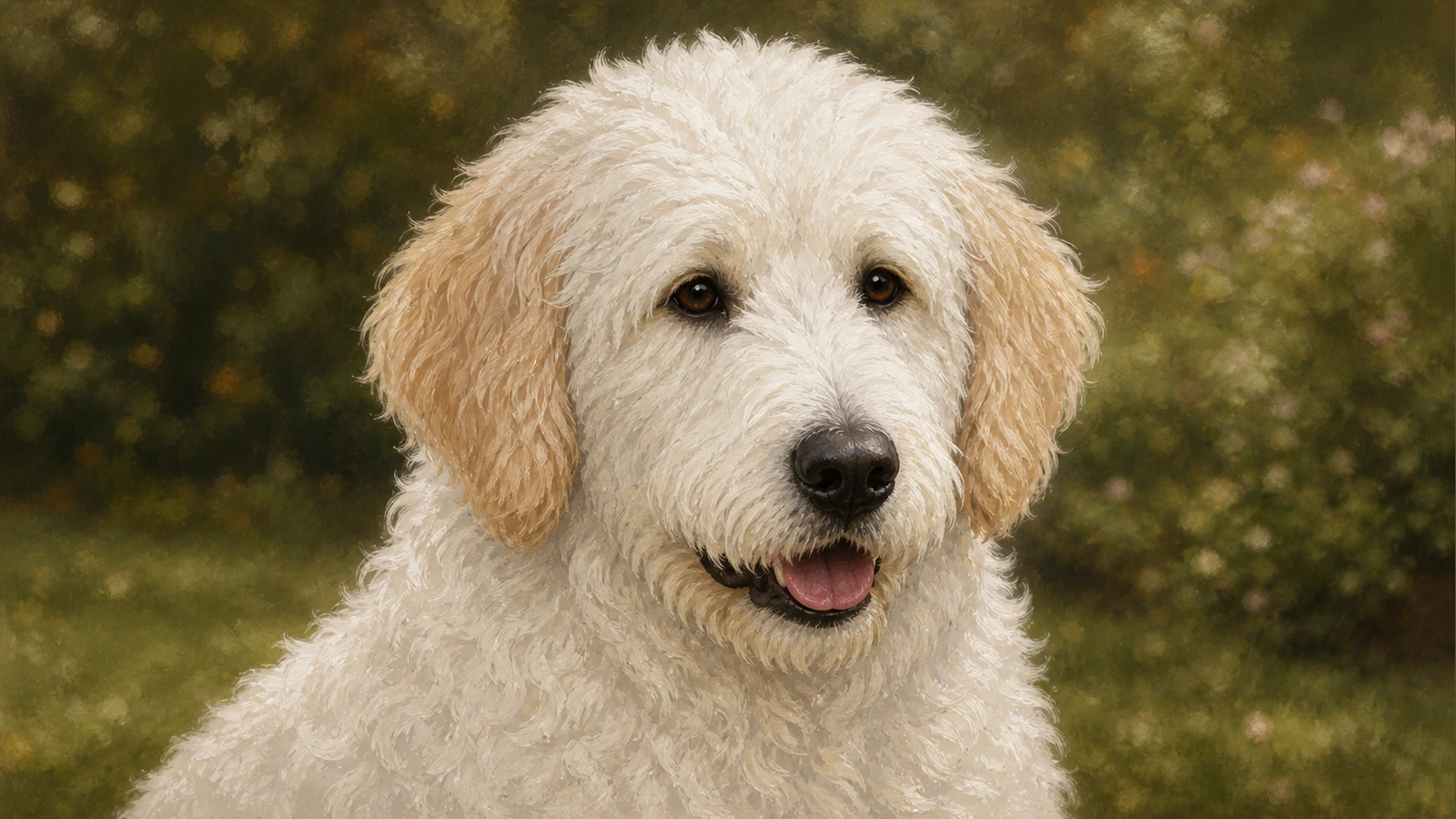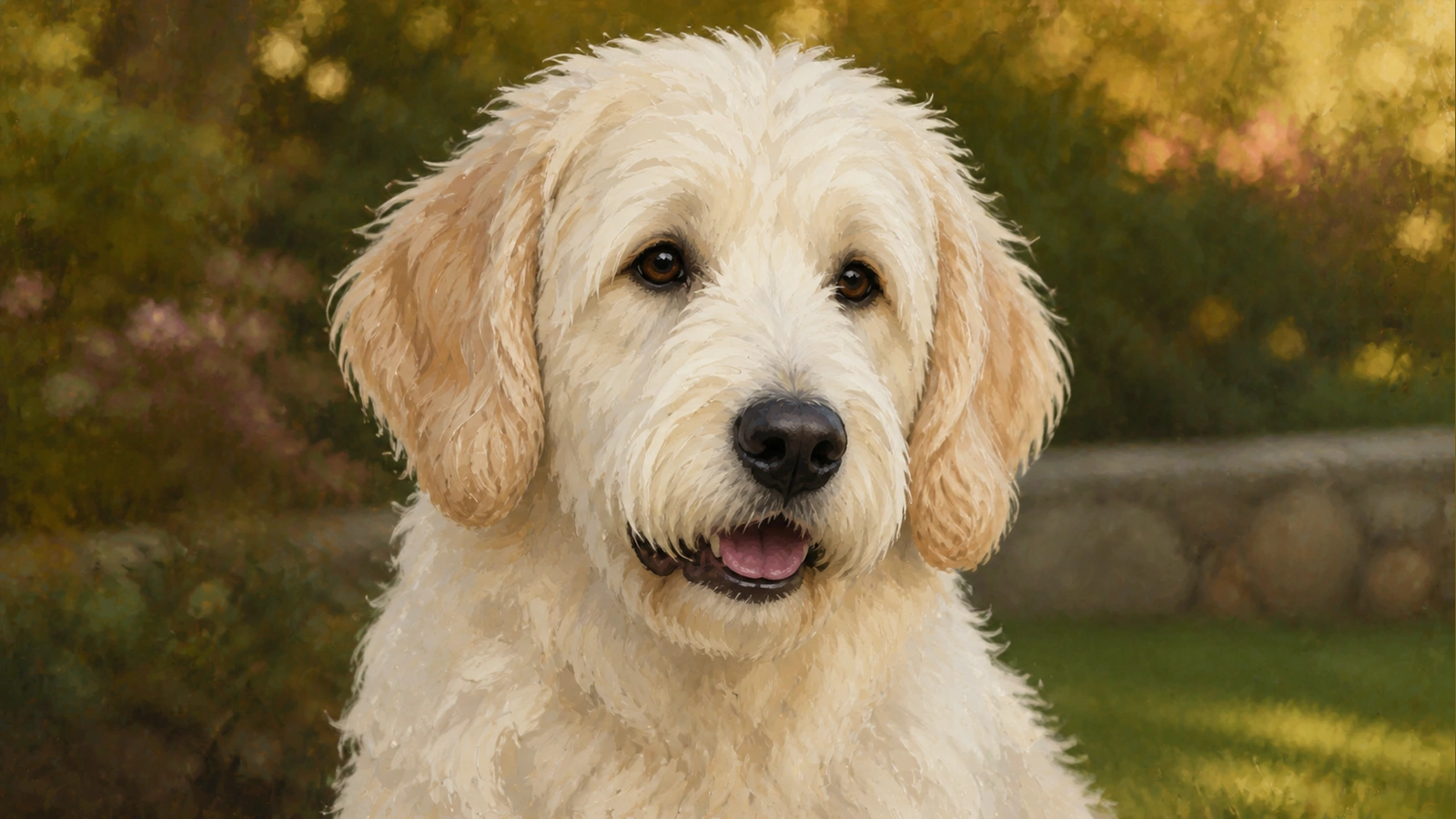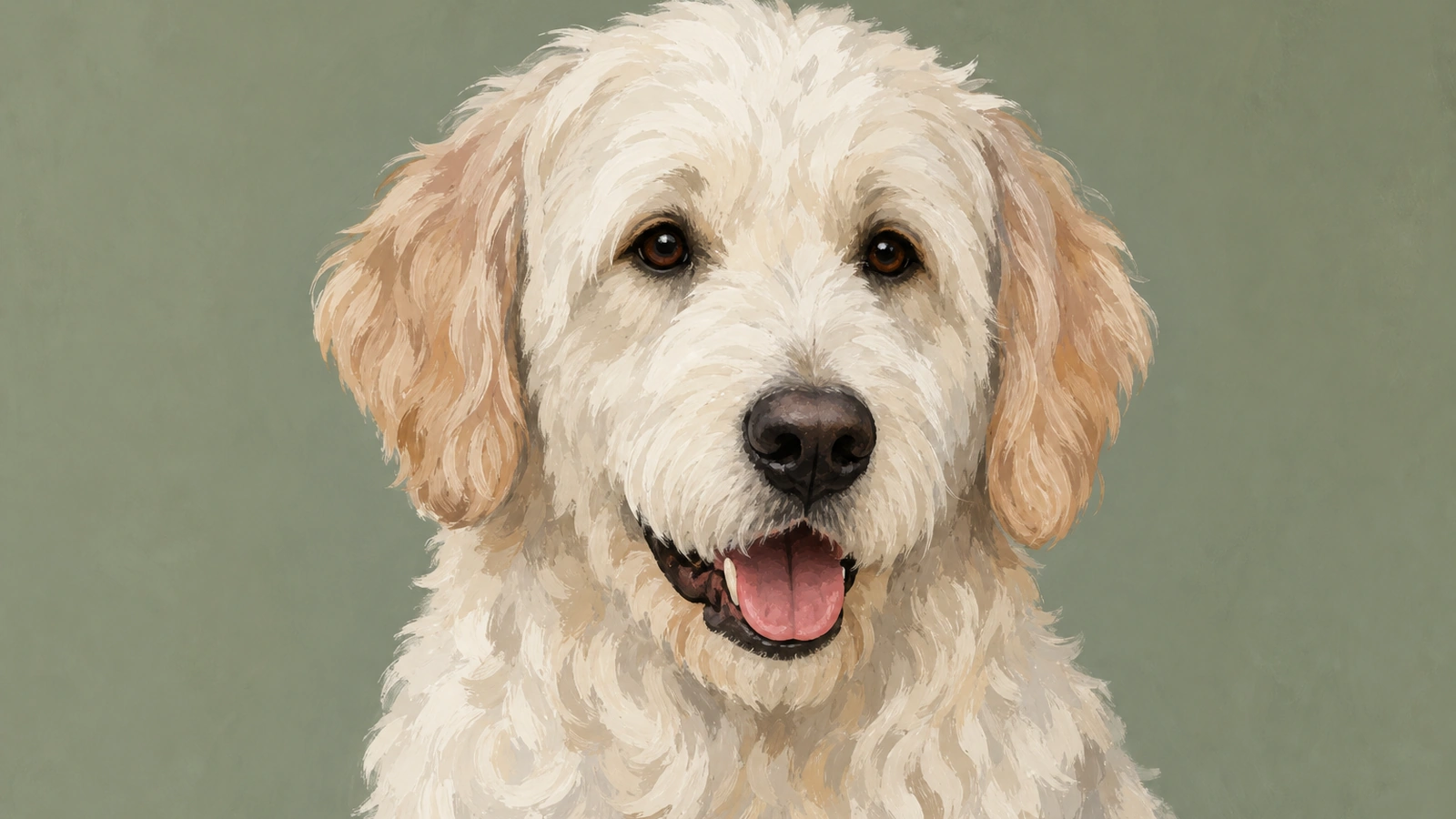
Pyredoodle - MAIN HUB
BREED GROUP
Hybrid Dogs
Country of origin
United States
BREED SIZE
Giant
BREED HEIGHT
22 -
32 IN
56 -
81 cm
BREED WEIGHT
85 -
100 LB
39 -
45 KG
WHAT YOU NEED TO KNOW
american kennel club (AKC) recognition
No
Breed was recognized in 0.

International Canine Federation (FCI) recognition
No
Breed was recognized in 0.
WHAT DO OWNERS WANT TO KNOW?
Are Pyredoodles good family dogs?
Excellent
3 out of 10
The Pyredoodle is an ideal family companion, known for being a loyal and affectionate "gentle giant." They are excellent with children and other pets, blending a calm indoor temperament with protective instincts that make them reliable watchdogs.
Are Pyredoodles good with kids?
Excellent
10 out of 10
Pyredoodles are generally gentle and patient with children, often acting as loyal protectors within the family. However, due to their large size, they are best suited for households that can provide consistent supervision and early socialization to ensure safe interactions.


Are Pyredoodles good dogs for first time owners?
Good
7 out of 10
Pyredoodles can be a fair choice for first-time owners who are prepared for their large size and potential stubbornness. While they are intelligent and eager to please, inheriting the Poodle's trainability, they also possess the Great Pyrenees' independent nature and protective instincts. Consistent, positive reinforcement training and early socialization are essential to manage their wariness of strangers and ensure they become well-adjusted family companions. Owners should also be ready for the grooming demands of their thick coats and the exercise needs of a large, active dog.
Are Pyredoodles good apartment dogs?
Good
6 out of 10
Pyredoodles are good apartment dogs because of their calm indoor temperament and moderate exercise needs. Despite being large, they are often relaxed and gentle indoors, though they require daily walks to stay healthy and avoid boredom. Their protective instincts make them alert watchdogs, and their intelligence allows them to adapt well to apartment living with consistent training and socialization.
Do Pyredoodles need a yard?
Below Average
6 out of 10
A yard is not strictly required for a Pyredoodle, as they can adapt well to apartment living due to their calm indoor temperament. However, because of their large size, a home with a yard is highly recommended to provide them with ample space for free play and to help manage their moderate exercise needs. Regardless of yard access, daily walks and mental stimulation are essential to keep these gentle giants healthy and prevent boredom.
Can Pyredoodles be left at home alone?
Good
7 out of 10
Pyredoodles generally tolerate being alone well, often inheriting the calm, independent nature of the Great Pyrenees. While they form strong bonds and appreciate family time, they are less prone to severe separation anxiety than many other breeds. Providing mental stimulation and moderate morning exercise helps ensure they remain relaxed and well-behaved during moderate periods of solitude.
Do Pyredoodles tolerate cats well?
Average
5 out of 10
Pyredoodles generally get along well with cats and other animals, often living harmoniously alongside them. Their sweet and calm nature helps them form positive bonds, though early socialization is recommended to ensure they remain gentle. Because of their large size, initial introductions should be supervised to ensure safety and comfort for their feline companions.
Are Pyredoodles known to be aggressive?
Easygoing
7 out of 10
Pyredoodles are not an aggressive breed and are often described as gentle giants. While they are calm and affectionate with their families, they are naturally protective and can be wary of strangers, making them excellent watchdogs. Their large size can be intimidating to intruders, but they are generally easygoing and get along well with children and other pets when properly socialized.
Do Pyredoodles have a lot of energy?
Moderate
5 out of 10
Pyredoodles typically have moderate energy levels, inheriting a blend of the Great Pyrenees' calm, laid-back nature and the Poodle's athletic intelligence. While they are often gentle and relaxed indoors, they still require regular daily activity to stay healthy. A daily walk and some mental stimulation are usually sufficient to satisfy their needs and prevent boredom.
How much exercise do Pyredoodles need?
~30 min a day
4 out of 10
Pyredoodles require approximately 45 to 60 minutes of daily exercise to maintain a healthy weight and prevent boredom. Because they are a large breed prone to joint issues and bloat, exercise should be moderate and consistent, such as daily walks and interactive playtime, rather than high-impact activities. Mental stimulation through puzzle toys and training is also essential to satisfy their intelligent nature and prevent destructive behaviors.
Do Pyredoodles tolerate hot weather well?
Fair
4 out of 10
Pyredoodles are sensitive to heat due to their large size and potentially thick, double coats inherited from the Great Pyrenees. They are at risk for overheating and bloat in high temperatures. Owners should provide constant shade, fresh water, and air conditioning, while limiting exercise to the cooler morning or evening hours. Grooming is essential to maintain airflow through their coat, and paw protection is recommended for hot pavement.
Are Pyredoodles good with cold weather?
Fair
4 out of 10
Pyredoodles are sensitive to heat due to their large size and potentially thick, double coats inherited from the Great Pyrenees. They are at risk for overheating and bloat in high temperatures. Owners should provide constant shade, fresh water, and air conditioning, while limiting exercise to the cooler morning or evening hours. Grooming is essential to maintain airflow through their coat, and paw protection is recommended for hot pavement.
Are Pyredoodles sometimes banned from rentals?
Moderate Risk
6 out of 10
Pyredoodles may face apartment restrictions primarily due to their large size, which often exceeds common weight limits of 25 to 50 pounds. While they are generally calm and gentle indoors, their Great Pyrenees lineage and protective instincts can lead some landlords or insurance companies to classify them as a higher risk. Prospective owners should verify individual building policies and consider providing a pet resume or training certifications to help secure approval.
WHAT DO OWNERS WANT TO KNOW?