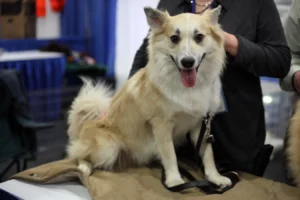
Eurasier Personality Profile
Eurasiers are exceptionally affectionate companions that bond deeply with their families, often acting as devoted “cuddle bugs.” While calm and reserved with strangers, they crave constant human presence and are prone to separation anxiety if left alone. Intelligent yet occasionally independent, these watchful dogs thrive when fully integrated into daily family activities.

FRIENDLINESS
Neutral
5 out of 10
ATTACHMENT
Very Affectionate
8 out of 10
PLAYFULNESS
Occasional
4 out of 10
TEMPERAMENT FAQ
Are Eurasiers smart?
Smart
7 out of 10
Eurasiers are intelligent, independent scenthounds with excellent problem-solving skills developed over centuries of hunting. While they are smart and eager to please a sympathetic owner, their independent nature can occasionally lead to stubbornness. They thrive with consistent, reward-based training that challenges their capable minds.
Do Eurasiers like to cuddle?
Affectionate
7 out of 10
Eurasiers are exceptionally affectionate companions that bond deeply with their entire family. Often described as “cuddle bugs,” they thrive on close human contact and love lounging by your side or snuggling on the sofa. While they are famously devoted to their pack, they typically remain calm and reserved with strangers.
Do Eurasiers get separation anxiety?
Anxious
9 out of 10
Eurasiers are deeply bonded to their families and thrive on constant companionship. Because they were bred specifically as companion dogs, they do not handle isolation well and are prone to separation anxiety if left alone for long periods. They are best suited for households where they can be part of daily activities.

Do Eurasiers bark a lot?
Vocal
3 out of 10
Eurasiers are generally quiet but will bark to alert their owners of strangers.
Are Eurasiers protective?
Protective
2 out of 10
Eurasiers are vigilant watchdogs that are naturally protective of their families.
VET INSIGHTS
Eurasiers are deeply bonded to their families and thrive on constant companionship. Because they were bred specifically as companion dogs, they do not handle isolation well and are prone to separation anxiety if left alone for long periods. They are best suited for households where they can be part of daily activities.

Reviewed by
Dr. Vojtech Gabriel

DVM · PhD · MBA
Veterinarian
Researcher
Dog breed specialist
✓
Verified