Skip to content

Greyhound Training Profile

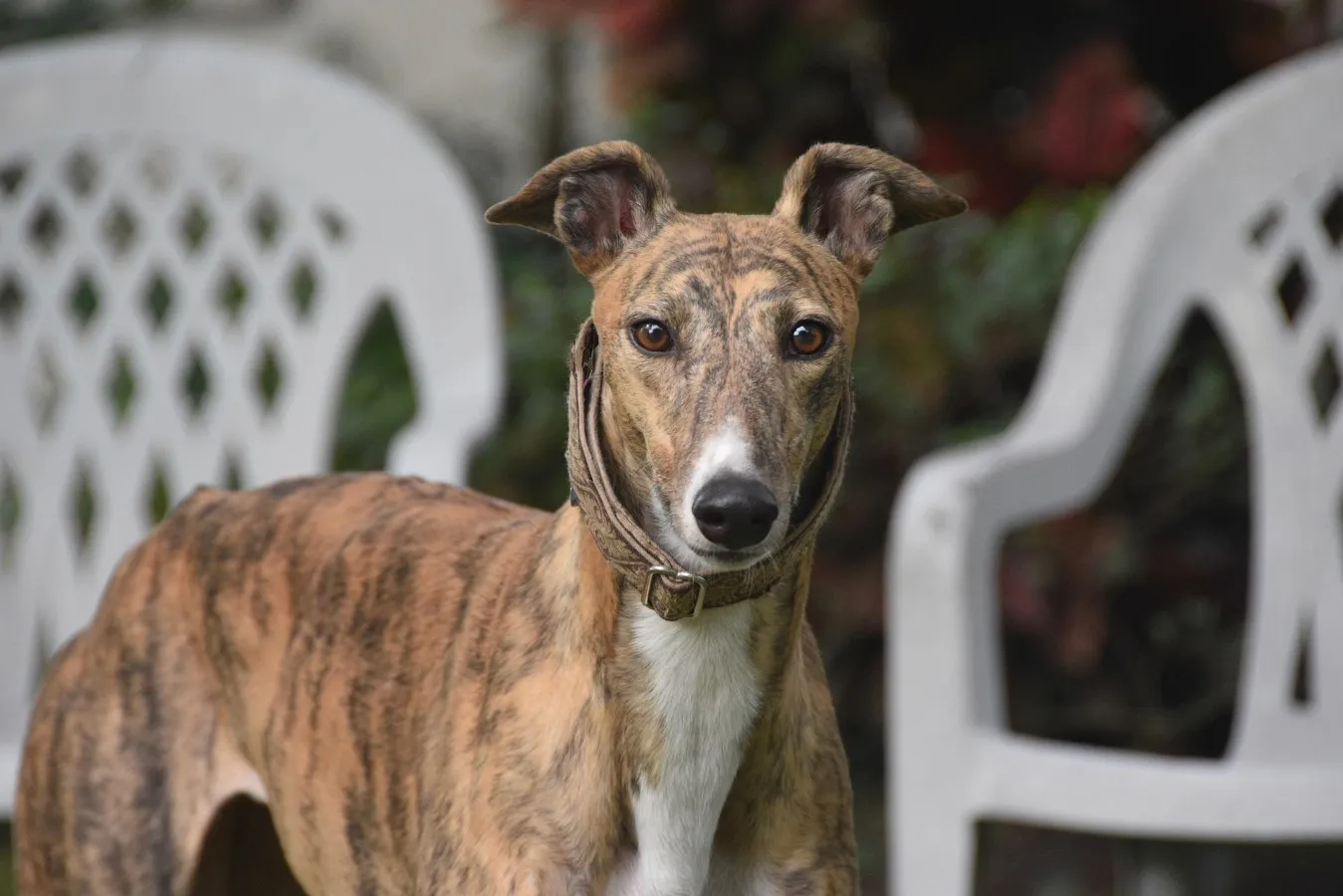
Greyhounds are gentle and independent dogs that can be stubborn during training. They respond best to short, varied sessions and positive reinforcement. Due to their sensitive nature, avoid harsh corrections. Early socialization and consistent routines are essential for success with housebreaking and managing their strong prey drive and independent spirit.

TRAINABILITY

Stubborn

3 out of 10

MENTAL STIMULATION NEEDS

Very Low

1 out of 10

LOVE FOR GRUB

Picky Eater

3 out of 10

TRAINING FAQ

Are Greyhounds easy to train?

Independent

4 out of 10

Greyhounds are intelligent but independent thinkers, often making them more challenging to train than traditional working breeds. Because they were bred to hunt autonomously, they lack a strong natural desire to please and may disengage if sessions are too long or repetitive. Success requires a gentle, patient approach using positive reinforcement and high-value rewards, as this sensitive breed will often shut down or “freeze” if they feel stressed or pressured.

Somewhat Stubborn

4 out of 10

Greyhounds are intelligent dogs capable of learning a variety of commands, but they possess an independent streak that can sometimes be mistaken for stubbornness. They respond best to patience, consistency, and positive reinforcement, as they are sensitive to harsh training methods. While they are eager to please their owners, their independent nature means they may require a little extra motivation and a calm, rewarding environment to remain focused during training sessions.
Below Average

4 out of 10

Train your Greyhound puppy using gentle, reward-based methods and plenty of patience. Focus on positive reinforcement with high-value treats like chicken or cheese, as this sensitive breed responds best to motivation rather than harsh corrections. Keep sessions short and fun to maintain their interest. Prioritize early socialization and essential commands like recall and “down” instead of “sit,” which can be physically uncomfortable for them. Always train in a secure, fenced area due to their high prey drive and speed.

Challenging

3 out of 10

Potty training a Greyhound typically takes a few weeks to several months, depending on their background. Retired racers may require extra patience as they transition from kennel environments to a home routine. Success is achieved through a regimented schedule—taking them outside every 2 to 3 hours, after meals, and after naps—combined with crate training and high-value treats to reward correct behavior.

Above Average

7 out of 10

Greyhounds are often called “45 MPH couch potatoes” because they are sprinters, not endurance athletes, and typically require only 30 to 60 minutes of daily exercise. This is best achieved through two 20-30 minute walks combined with occasional short sprints in a securely fenced area. Because of their thin coats and low body fat, they are sensitive to extreme temperatures, so walks should be scheduled during the cooler parts of the day. Always keep them on a leash in unfenced areas due to their high prey drive, and wait at least an hour after meals before exercising to prevent bloat.

Moderate Low

5 out of 10

A Greyhound’s daily routine should balance their nature as “45 MPH couch potatoes” by providing 30 to 60 minutes of moderate exercise with 18 to 20 hours of rest. Plan for two 20-30 minute walks, ideally during the cooler morning and evening hours to prevent overheating. If a securely fenced area is available, incorporate short 20-30 minute sprint sessions every other day, but always keep them on a leash in open areas due to their high prey drive. Feed adult Greyhounds two smaller, frequent meals and wait at least one hour before or after physical activity to prevent bloat. Daily care should also include mental enrichment through scent games or puzzle toys to keep their minds engaged between long periods of lounging.

VET INSIGHTS

Greyhounds are gentle, independent thinkers that require patient, reward-based training to manage their stubborn streak and high prey drive. These “45 MPH couch potatoes” need only 30-60 minutes of daily exercise, balanced with extensive rest. While housebreaking can be challenging, a consistent routine and positive reinforcement ensure these sensitive, low-maintenance sprinters thrive as calm companions.

Photo
Reviewed by
Dr. Vojtech Gabriel

DVM · PhD · MBA
Veterinarian Researcher Dog breed specialist
Verified

Explore Other Breed TRAINING PROFILES