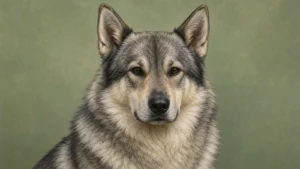
Swedish Vallhund Training Profile
Breed Group
Spitz Dogs
Country of Origin
Sweden
Breed Size
Medium
AKC Recognition
Yes, recognized in 2007
FCI Recognition
Yes, recognized in 1954
Mental stimulation needs
Moderate Needs6 / 10
Trainability
3 / 10
Picky eater
Great Eater8 / 10
Easy to train
Independent4 / 10
Training stubbornness
Somewhat Stubborn4 / 10
Puppy training
Below Average4 / 10
Training FAQ
Are Swedish Vallhund easy to train?
Swedish Vallhunds are highly intelligent and eager to please, making them relatively easy to train with positive reinforcement. While they are quick learners that excel in dog sports like agility and obedience, their independent herding background can occasionally lead to a stubborn streak or selective hearing. Consistency, patience, and reward-based methods are essential to keep these energetic "Viking dogs" engaged and to manage their natural instincts to bark or herd.
Easy to train: 4 / 10
Are Swedish Vallhund stubborn to train?
Swedish Vallhunds are highly intelligent and eager to please, making them generally easy to train. However, their independent herding background can occasionally lead to a stubborn streak or selective hearing. Success requires patience, consistency, and positive reinforcement, as these sensitive "Viking dogs" respond best to reward-based methods.
Training stubbornness: 4 / 10
How do you train a Swedish Vallhund puppy?
Train your Swedish Vallhund puppy using positive reinforcement and reward-based methods, as they are intelligent yet sensitive to harsh treatment. Focus on early socialization and redirecting their natural herding instincts, like nipping at heels, into appropriate behaviors. Because they possess an independent streak and a short attention span, keep training sessions brief, fun, and consistent. Use treats, praise, and engaging tasks to motivate this spirited breed throughout their development.
Puppy training: 4 / 10
How difficult is potty training in Swedish Vallhund?
Potty training a Swedish Vallhund typically takes 6 to 9 months, though some may take up to a year to be fully reliable. While highly intelligent and eager to please, their independent herding nature and small bladders can make housebreaking a time-consuming challenge. Success requires extreme consistency, a strict schedule, and the use of positive reinforcement to overcome occasional stubbornness.
Potty training difficulty: 3 / 10
How many walks does a Swedish Vallhund need?
Swedish Vallhunds are active working dogs that typically require between 1 and 2 hours of exercise daily. This should ideally include at least two brisk walks supplemented by high-energy activities like fetch, agility, or herding games to satisfy their athletic nature and prevent boredom-related behaviors.
Walking need: 9 / 10
What is the best daily routine for a Swedish Vallhund?
A Swedish Vallhund's daily routine should focus on balancing their high energy with consistent mental stimulation to prevent boredom. Provide 60 to 120 minutes of daily exercise, including at least two brisk walks supplemented with activities like agility, hiking, or herding games. Incorporate short, 5-10 minute training sessions or scent work to engage their keen minds and utilize their working instincts. Feed adult Vallhunds twice daily to support their active lifestyle while monitoring weight. Essential care includes weekly brushing to manage their double coat and plenty of quality time with family to satisfy their loyal, companionable nature.
Routine need: 8 / 10
Vet Insights
Swedish Vallhunds are intelligent Viking dogs requiring a balance of high energy and mental stimulation. While trainable, their independent herding background results in occasional stubbornness and challenging housebreaking. A consistent routine including one to two hours of exercise, positive reinforcement, and weekly grooming is essential to manage their vocal nature and nipping instincts, ensuring a loyal companion.