Skip to content

Scottish Deerhound Training Profile

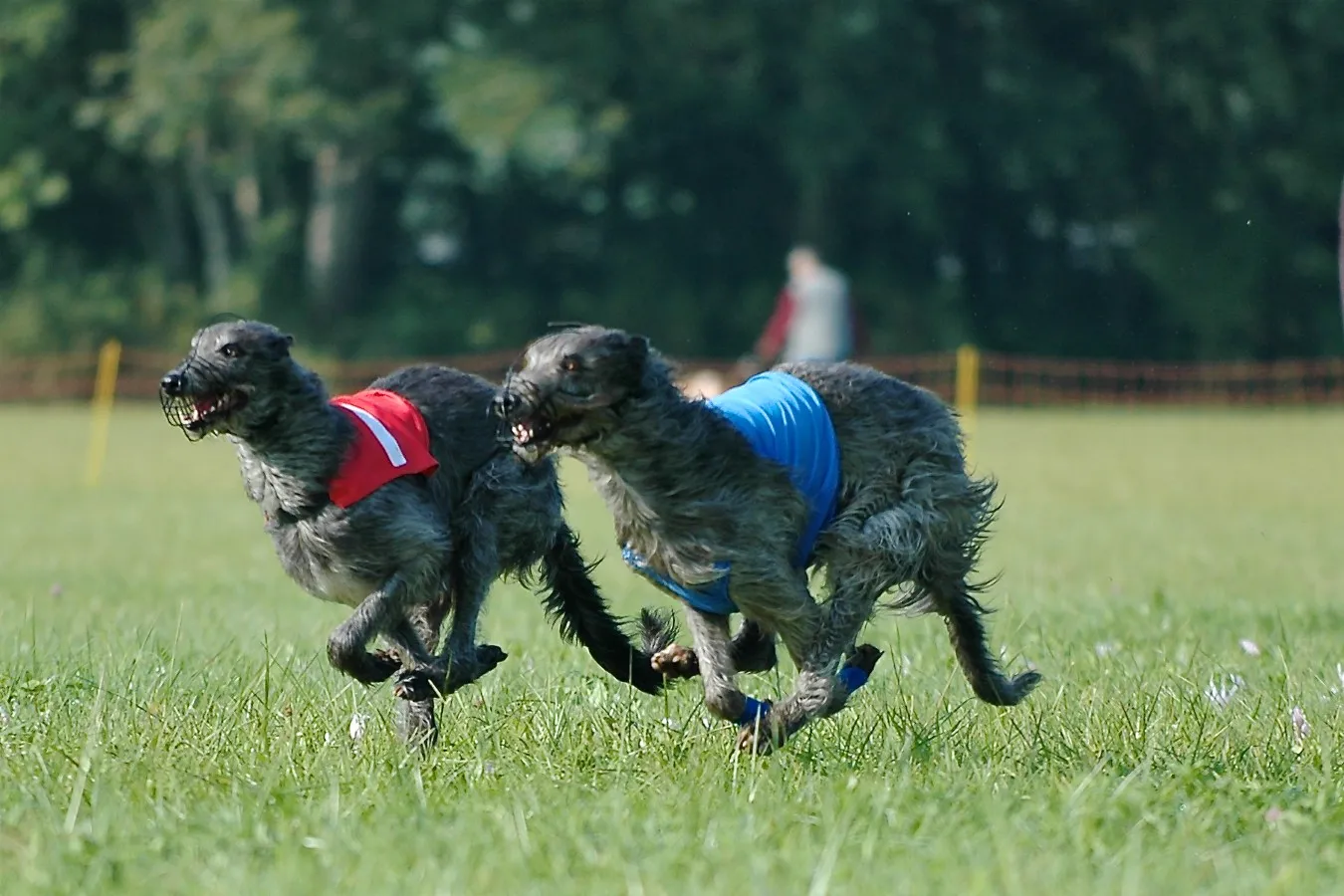
Scottish Deerhounds are intelligent but independent sighthounds that require patient, consistent training. They respond best to gentle, positive reinforcement and short, varied sessions to prevent boredom. While easygoing at home, their strong prey drive and athletic nature necessitate early socialization and at least two hours of daily exercise, including secure off-leash runs.

TRAINABILITY

Stubborn

3 out of 10

MENTAL STIMULATION NEEDS

Above Average

7 out of 10

LOVE FOR GRUB

Selective

4 out of 10

TRAINING FAQ

Are Scottish Deerhounds easy to train?

Independent

4 out of 10

Scottish Deerhounds are intelligent but independent thinkers, making training a challenging but rewarding process. They respond best to gentle, consistent methods and positive reinforcement like treats. Due to their strong prey drive and sighthound nature, patient leadership is essential to manage their instincts and maintain focus.

Somewhat Stubborn

4 out of 10

Scottish Deerhounds are known for their independent and sensitive nature, which can manifest as stubbornness during training. As sighthounds, they are easily distracted by movement and may prioritize their hunting instincts over commands. Success requires gentle, consistent leadership and high-value rewards, as they do not respond well to harsh methods and prefer to cooperate on their own terms.

Below Average

4 out of 10

Train your Scottish Deerhound puppy using gentle, consistent methods and plenty of positive reinforcement like treats. Focus on early socialization and basic obedience to manage their independent nature and strong prey drive. Because they are sensitive sighthounds, maintain patient leadership and avoid harsh corrections to build a strong bond and keep them engaged.

Challenging

3 out of 10

Potty training a Scottish Deerhound can be a variable experience; while some owners find them intelligent and clean dogs that housebreak quickly, others find their independent nature and sensitivity to methods like crate training make the process more challenging, often taking up to 6 months. Success requires a consistent outdoor schedule, constant supervision, and heavy use of positive reinforcement and praise.

Above Average

7 out of 10

Scottish Deerhounds are athletic sighthounds that require at least one to two hours of daily exercise. They thrive with two brisk walks totaling about 60 minutes, supplemented by a high-speed sprint in a secure, fenced area to satisfy their natural hunting instincts and prevent indoor restlessness.

Very High

9 out of 10

A Scottish Deerhound’s daily routine should balance vigorous athletic activity with significant indoor lounging. Provide 60 to 120 minutes of daily exercise, including two brisk walks and a high-speed sprint in a secure, fenced area to satisfy their hunting instincts. Feed adult Deerhounds twice daily—avoiding exercise for two hours before and after meals to prevent bloat—while puppies require three to four meals. Essential daily care includes weekly brushing of their wiry coat, washing their beard after drinking, and short, positive training sessions focused on recall. Ensure they have a large, cushioned bed for indoor rest, as they spend the majority of their day sleeping.
VET INSIGHTS

Scottish Deerhounds are intelligent but independent sighthounds requiring patient, positive training and early socialization to manage their strong prey drive. They need significant daily exercise, including free-running sprints, but are famously relaxed indoors. While grooming their wiry coat is simple, housebreaking can be challenging. Their routine should prioritize joint health and bloat prevention.
Photo
Reviewed by
Dr. Vojtech Gabriel
DVM · PhD · MBA
Veterinarian Researcher Dog breed specialist
Verified

Explore Other Breed TRAINING PROFILES