Chien d’Artois Training Profile
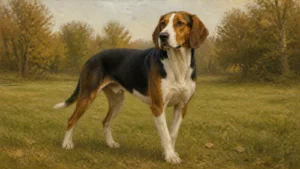
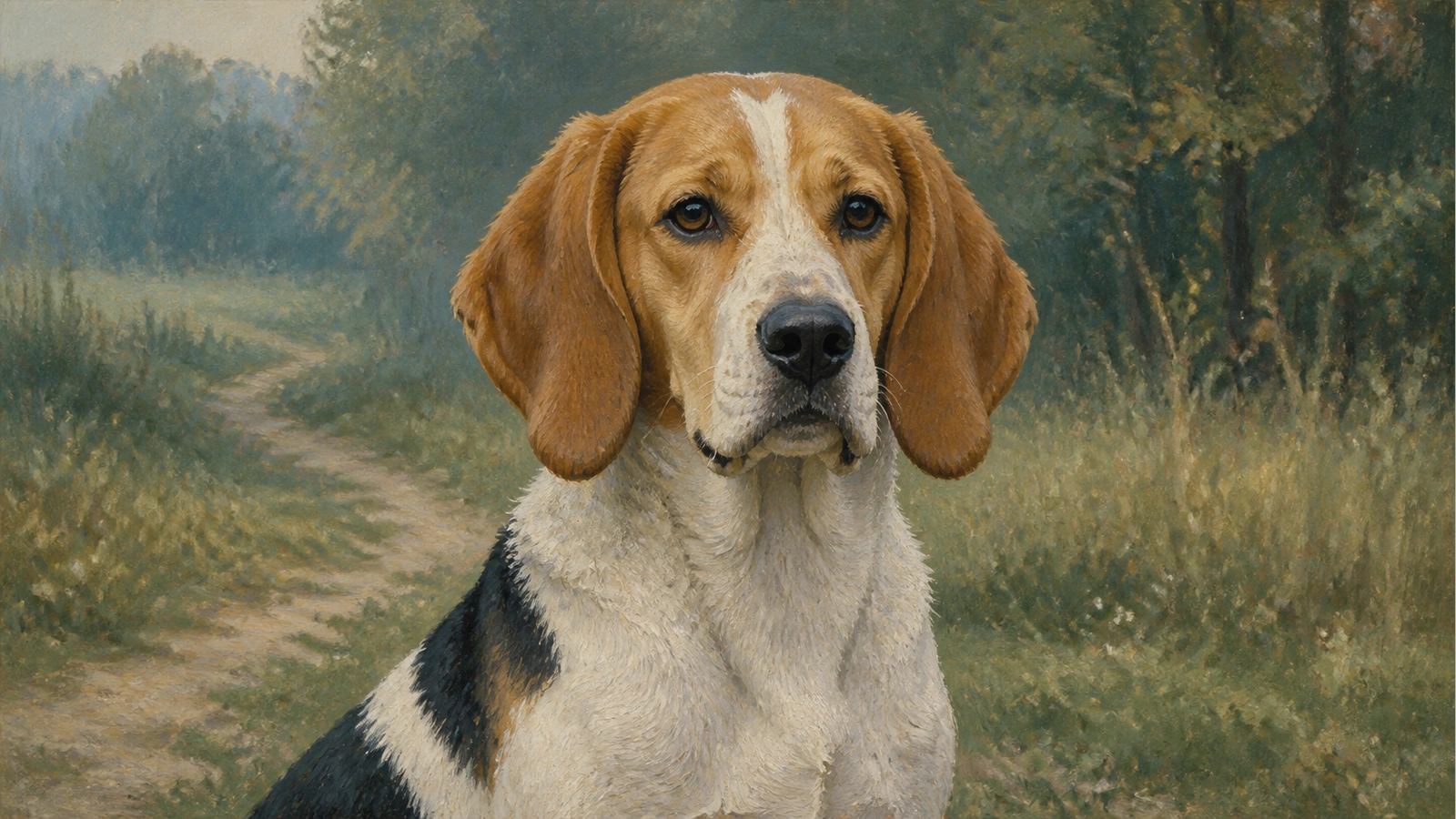
The Chien d’Artois is an intelligent and energetic scent hound that requires a firm, consistent leader to manage its independent nature. While they are loyal and affectionate companions, their strong-willed stubbornness means they respond best to short, engaging training sessions. Early socialization and high-value rewards are essential to focus their keen tracking instincts and prevent boredom.
TRAINABILITY
Moderate
6 out of 10
MENTAL STIMULATION NEEDS
Average Needs
5 out of 10
LOVE FOR GRUB
Good Eater
7 out of 10
TRAINING FAQ
Are Chiens d’Artois easy to train?
Average
5 out of 10
Chiens d’Artois are generally easy to train because they are very intelligent, energetic, and eager to please. While they possess an independent streak and strong-willed stubbornness typical of scent hounds, they are highly resourceful and can even learn from their own mistakes. Success requires a confident, firm, and patient owner who uses consistent reinforcement to establish leadership and keep them focused.
Are Chiens d’Artois stubborn?
Moderate
6 out of 10
Chien d Artois are intelligent and courageous but possess a strong-willed, independent nature that often results in stubbornness. They frequently prioritize their nose-driven curiosity over commands, requiring an exceptionally firm and patient owner. To succeed, training must be consistent from a young age and incorporate high-value rewards to manage their tendency to wander or become distracted.
How to train a Chien d’Artois puppy?
Average
6 out of 10
Train your Chien d’Artois puppy using consistent, patient, and firm leadership to manage their independent and sometimes stubborn nature. Focus on early socialization and positive reinforcement with treats and praise to build a strong bond. Because they are highly intelligent and scent-driven, incorporate interactive games and short, engaging sessions that provide both mental and physical stimulation to prevent boredom.
How difficult is to potty train a Chien d’Artois puppy?
Moderate
5 out of 10
Potty training a Chien d’Artois typically takes 4 to 6 months to achieve full reliability. As a scent hound with an independent nature, they require a consistent schedule, frequent outdoor breaks, and positive reinforcement. Establishing a strict routine and using high-value rewards will help overcome their moderate stubbornness during the housebreaking process.
How many walks does a Chien d’Artois need?
Above Average
7 out of 10
Chiens d’Artois are high-energy scent hounds that require at least 60 minutes of moderate to vigorous exercise daily. They benefit from two brisk walks or jogs supplemented with activities like scent work or running in a large, fenced area to satisfy their strong hunting instincts. Since they have significant stamina and can be independent, always maintain a firm lead or exercise them in a secure space to prevent them from wandering off after a scent.
What is the best daily routine for a Chien d’Artois?
Very Low
3 out of 10
A Chien d’Artois’s daily routine should focus on channeling their high hunting energy and acute scent drive. Provide at least 60 minutes of vigorous exercise, ideally split into long, brisk walks or runs in open, fenced areas where they can explore scents. Feed adult dogs twice daily with high-quality food formulated for active breeds, monitoring portions to prevent obesity. Essential daily care includes checking and cleaning their long, pendulous ears to prevent infection and engaging them in mental stimulation through scent-based games or tracking exercises. Despite their independent nature, they require significant family interaction to prevent anxiety, so ensure they spend their downtime indoors as calm, affectionate companions.
VET INSIGHTS
Chiens d’Artois are intelligent scent hounds with an independent, strong-willed nature requiring firm leadership. They need at least 60 minutes of vigorous daily exercise and scent-based mental stimulation to prevent boredom. Training should be consistent and reward-based, as they can be stubborn. Potty training takes 4 to 6 months. They are loyal companions that thrive with active families.


Reviewed by
Dr. Vojtech Gabriel
DVM · PhD · MBA
Veterinarian
Researcher
Dog breed specialist
✓
Verified