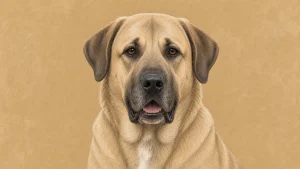
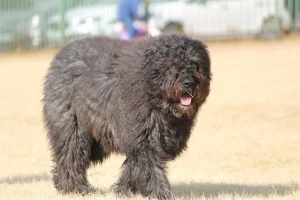
South Russian Shepherd Dog Training Profile
Breed Group
Herding Dogs
Country of Origin
Russia / Ukraine
Breed Size
Giant
AKC Recognition
No
FCI Recognition
Yes, recognized in 1983
Mental stimulation needs
Average Needs5 / 10
Trainability
9 / 10
Picky eater
Very Picky2 / 10
Easy to train
Eager9 / 10
Training stubbornness
Very Cooperative9 / 10
Puppy training
Very Good9 / 10
Training FAQ
Are South Russian Shepherd Dog easy to train?
South Russian Shepherd Dogs are highly intelligent and eager to please, making them relatively easy to train for confident owners. They are fast learners that pick up commands quickly, often excelling in obedience when provided with clear, consistent direction. However, their independent and strong-willed nature means they require firm leadership and early socialization to ensure they remain cooperative rather than making their own decisions.
Easy to train: 9 / 10
Are South Russian Shepherd Dog stubborn to train?
South Russian Shepherd Dogs are highly intelligent and very cooperative, making them relatively easy to train. However, their independent, strong-willed nature means they often prefer making their own decisions. To succeed, owners must provide firm, consistent leadership and early socialization to manage their protective guarding instincts.
Training stubbornness: 9 / 10
How do you train a South Russian Shepherd Dog puppy?
Train your South Russian Shepherd Dog puppy using firm, consistent leadership and positive reinforcement. Their high intelligence and cooperative nature make them quick learners, but early socialization is essential to manage their protective guarding instincts. Focus on building trust and setting clear boundaries through short, engaging sessions to channel their strong-willed spirit effectively.
Puppy training: 9 / 10
How difficult is potty training in South Russian Shepherd Dog?
Potty training a South Russian Shepherd Dog typically takes 4 to 6 months, often yielding fast results due to their high intelligence. While they are cooperative, their independent nature requires firm, consistent leadership and a strict routine. Success is best achieved using positive reinforcement and frequent outdoor breaks to reinforce proper habits.
Potty training difficulty: 9 / 10
How many walks does a South Russian Shepherd Dog need?
South Russian Shepherd Dogs are high-energy guardians that typically require at least 70 minutes of daily activity to remain healthy and well-behaved. This should include at least two brisk walks daily, totaling about 16 to 18 miles per week, ideally combined with opportunities to run and patrol a large, secure yard. Consistent physical exercise is essential to prevent boredom and manage their strong guarding instincts.
Walking need: 6 / 10
What is the best daily routine for a South Russian Shepherd Dog?
A South Russian Shepherd Dog's daily routine should focus on structured exercise and patrolling to satisfy their guarding instincts. Provide at least 70 minutes of daily activity, such as long brisk walks or runs, and allow them access to a large, securely fenced yard for independent movement. Feed adult dogs twice daily and puppies four times to prevent bloat, ensuring portions are monitored to avoid obesity. Maintain their long, double coat with daily brushing and combing to prevent matting and manage shedding. Incorporate short, consistent training sessions and early socialization to manage their independent nature and protective drive.
Routine need: 8 / 10
Vet Insights
South Russian Shepherd Dogs are intelligent, independent guardians requiring firm leadership and early socialization. While fast learners, their strong-willed nature demands consistency. They are high-energy dogs needing at least 70 minutes of daily activity and space to patrol. Routine care includes daily brushing of their long coats, managed feeding to prevent bloat, and structured training sessions.