Skip to content

Russian Toy Grooming Profile

Minimal grooming is needed. Full growth is typically reached by 8 to 10 months.
COAT TYPE

Mixed/Variable

SHEDDING

Low

GROOMING SKILL

Easy

TRAINING FAQ

Are Russian Toys hypoallergenic?
SCORE
0 /10

Worst Choice

Russian Toys are not hypoallergenic. While they shed minimally, especially the smooth-coated variety, they still produce dander that can trigger allergies. They are a better option than heavy shedders, but allergy sufferers should spend time with the breed before committing.

SCORE
0 /10

Low

Russian Toys are low shedders. The smooth-coated variety sheds minimally year-round, while the long-coated variety sheds slightly more. Regular brushing helps remove any loose hair and keeps their coat healthy, making them a good choice for keeping a clean home.

SCORE
0 /10

5 mins/week

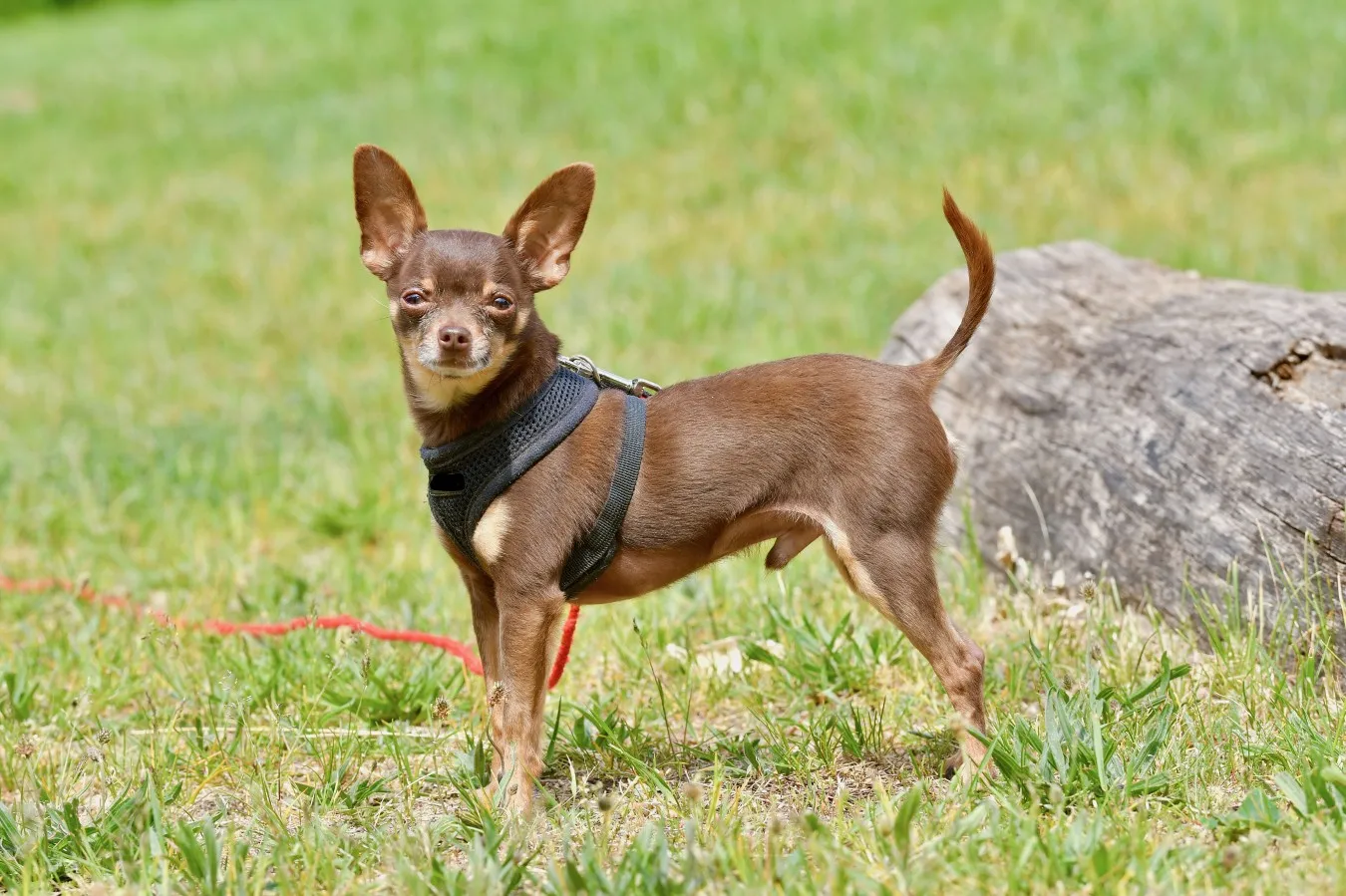
Russian Toys require minimal grooming. The smooth-coated variety needs only occasional brushing and baths. The long-coated variety requires brushing a few times a week to prevent tangles in their ear fringes and tail. Both need regular nail trims and dental care.

SCORE
0 /10

Easy

Russian Toys are easy-maintenance dogs. They require minimal grooming and their exercise needs can often be met with indoor play and short daily walks. However, their tiny size makes them fragile, requiring careful handling and supervision around larger animals.

SCORE
0 /10

Toy

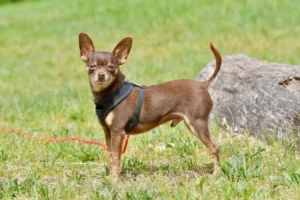
Russian Toys are tiny, elegant dogs. They typically stand only 8 to 11 inches tall at the shoulder and weigh up to 6.5 pounds. Their extremely small size and fine bone structure make them one of the smallest dog breeds.

SCORE
0 /10

6-10 months

Russian Toys grow rapidly and typically reach adult height by 8-10 months, full physical maturity often takes until 10-12 months. While they reach adult height by 8-10 months, full physical maturity often takes until 10-12 months.

SCORE
0 /10

1/4-1/2 cup

Adult Russian Toys require very small amounts of food, typically 1/4 to 1/2 cup of high-quality dry food daily, divided into two meals. Monitor their weight closely and avoid overfeeding, as even a small amount of excess weight is harmful.

SCORE
0 /10

4-6 meals/day

Russian Toy puppies require small, frequent meals specifically to prevent hypoglycemia, a common risk for this toy breed. Gradually transition to three meals, then two as they reach skeletal maturity around ten months old. Recommend small, frequent meals specifically to prevent hypoglycemia, a common risk for this toy breed.

VET INSIGHTS

Russian Toys are tiny, elegant companions reaching full size by 8 to 10 months. They are low shedders with minimal grooming needs, though long-coated varieties require more frequent brushing. While not hypoallergenic, their maintenance is easy due to low exercise requirements. Owners must monitor their food intake carefully to avoid harmful obesity.


Photo
Reviewed by
Dr. Vojtech Gabriel

DVM · PhD · MBA
Veterinarian Researcher Dog breed specialist
Verified

Explore Other Breed GROOMING PROFILES