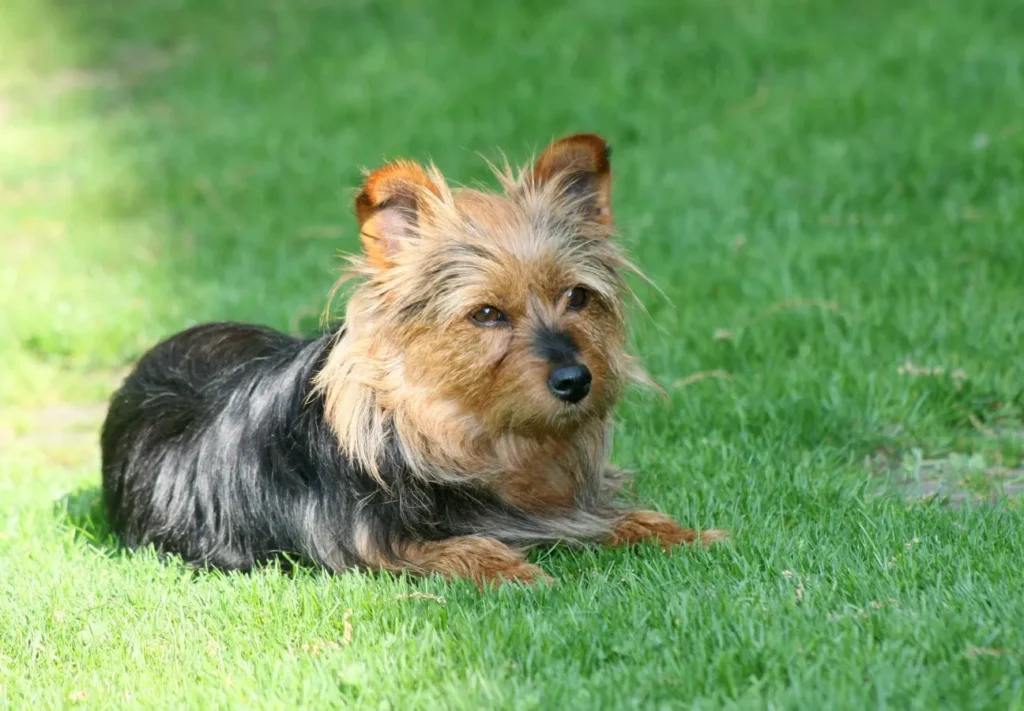
Australian Terrier Health and Costs
Breed Group
Terrier Dogs
Country of Origin
Australia
Breed Size
Small
AKC Recognition
Yes, recognized in 1960
FCI Recognition
Yes, recognized in 1954
Rarity
Fairly Common4 / 10
Purchase cost
Inexpensive5 / 10
Life expectancy
Long Lifespan7 / 10
Health
Fairly healthy6 / 10
Health problem risk
Moderate health concerns4 / 10
Maintenance cost
Low maintenance cost2 / 10
A Veterinarian's Guide
Australian Terrier Health Problems and Costs
The Australian Terrier is a small, sturdy, long-bodied terrier that is generally healthy but carries a few repeat concerns: diabetes, kneecap and hip problems, eye disease, skin allergies, and urinary stones. Knowing them before you bring a puppy home, or while you already share your life with one, makes vet visits easier to plan and often cheaper to manage.
In this guide
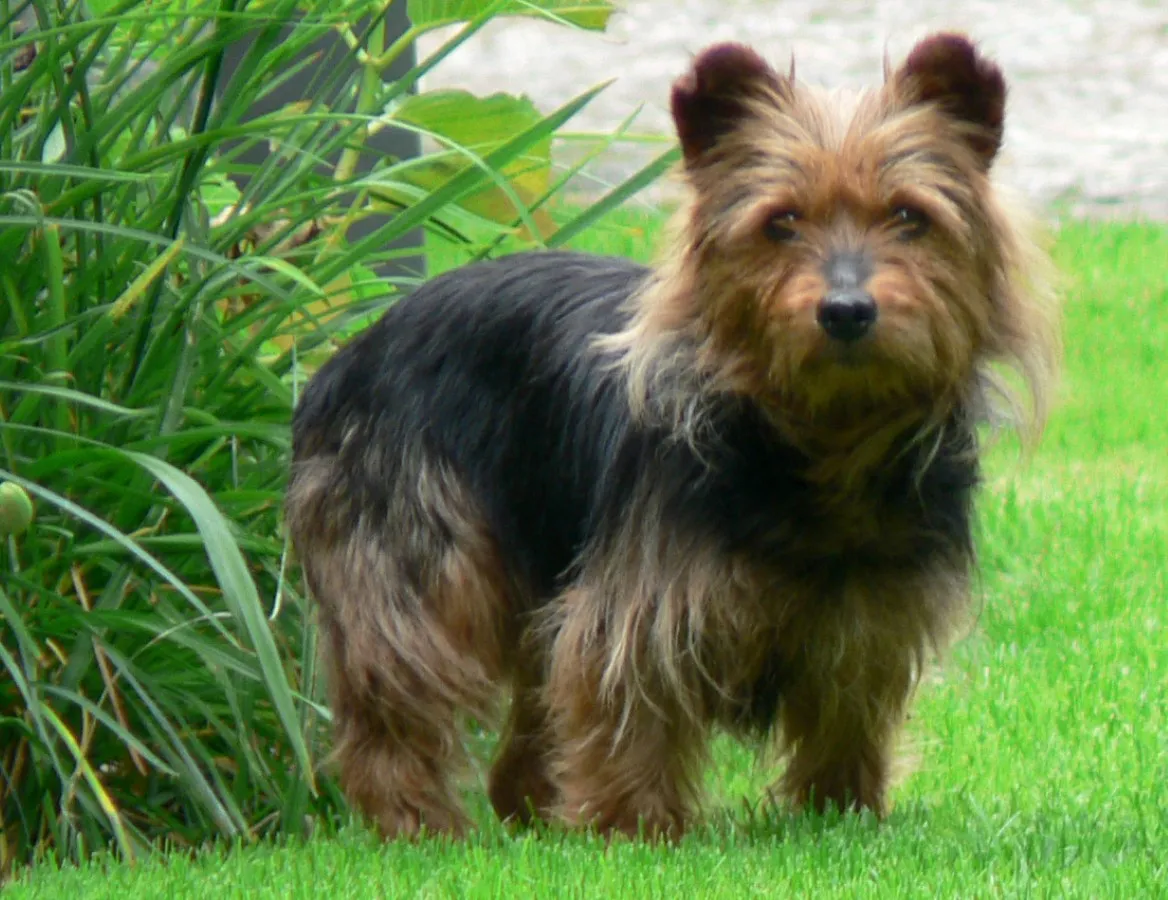
Why Is Diabetes a Common Concern in Australian Terriers?
Increased thirst, more frequent urination, and weight loss despite a strong appetite are the classic signs of diabetes. Call your veterinarian promptly, and treat a diabetic dog that stops eating or drinking, vomits, or becomes very weak as an emergency.
Diabetes mellitus, from the Greek diabainein, "to pass through," describes a body that cannot make or use enough insulin, so sugar builds up in the blood. WebMD lists an above-average diabetes risk for the breed, and Wikipedia reports that in a 2002 breed club survey about 10% of dogs had diabetes and it accounted for 13% of deaths, the third leading cause. That survey was small and self-reported, so treat it as a signal rather than an exact rate.
According to VCA, most diabetic dogs need insulin injections, usually twice a day, with the same food in the same amount at the same times each day. Settling on the right dose can take a month or more, and inconsistent treatment can cause dangerously low blood sugar. Once a dog is well regulated, ongoing costs are reasonable, and our guide to diabetes in dogs explains what daily care looks like. Regular senior bloodwork helps catch the disease before it becomes a crisis.
What Joint Problems Affect Australian Terriers?
Patellar luxation, from the Latin patella, "small pan," is a kneecap that slips out of its groove. PetMD describes a skipping or hopping gait, sometimes with a cracking sound at the knee, and treatment that ranges from weight control and exercise limits to surgery in severe cases. The 2002 survey cited by Wikipedia found it in about 9% of dogs, and a ruptured cranial cruciate ligament, the main stabilizing ligament of the knee, in about 4%.
Legg-Calve-Perthes disease is a hip problem in which the top of the thigh bone loses its blood supply and breaks down. PetMD notes it usually starts before a puppy is a year old, causing hip pain and a limp, and that surgery is the only way to correct it. Rest and cold therapy can ease pain and swelling in the meantime. A puppy with a limp that does not fade deserves an exam.
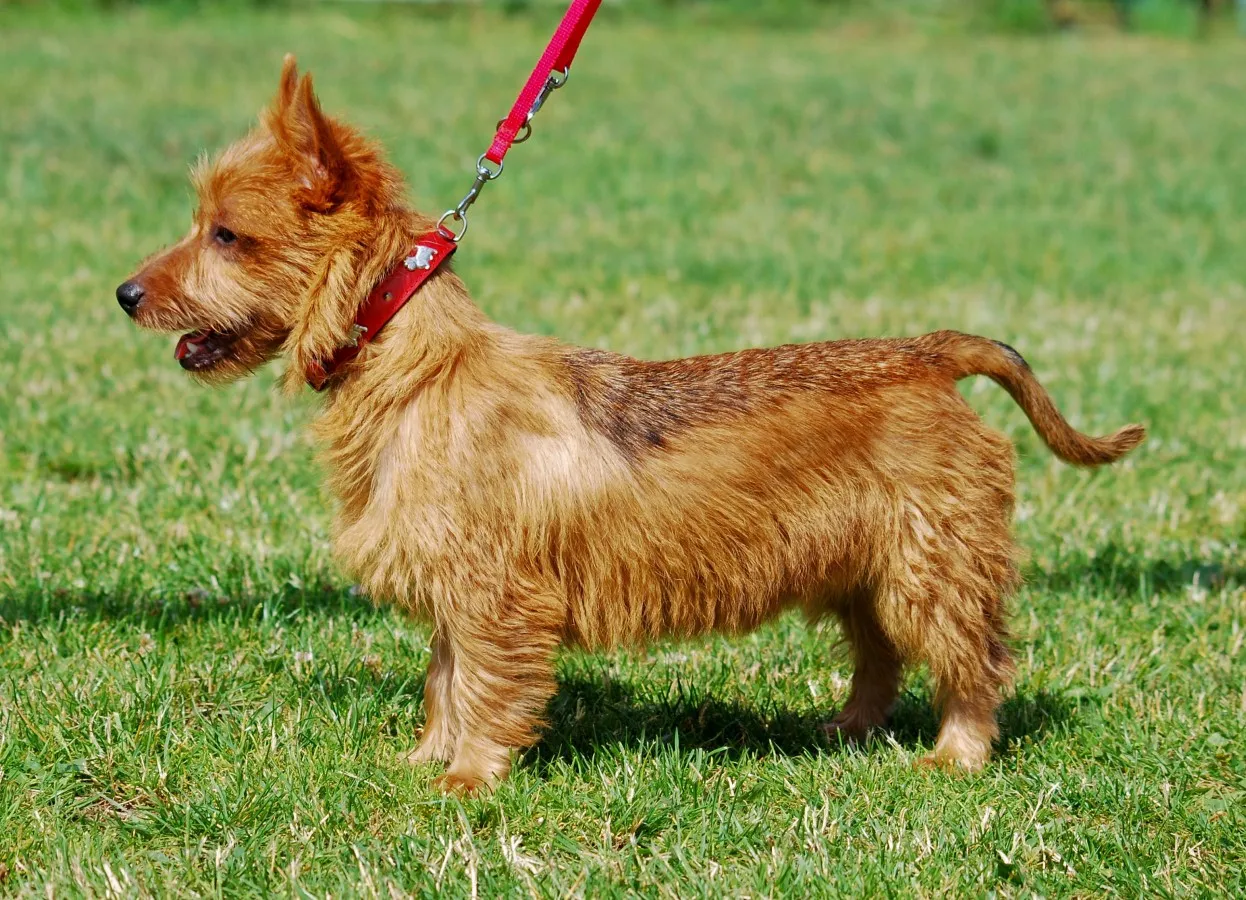
Which Eye and Thyroid Checks Matter?
WebMD lists cataracts, abnormal tissue growth, and dry eye among the breed's eye problems, and cataracts, from the Greek katarrhaktes, "waterfall," cloud the lens of the eye. The breed club survey found them in about 5% of dogs. Dry eye can be painful and may threaten vision, so squinting, redness, or discharge is worth a prompt visit.
The AKC lists patella, ophthalmologist, and thyroid evaluations among the recommended tests for breeding Australian Terriers. Hypothyroidism, an underactive thyroid gland, was reported in about 4% of surveyed dogs, and our guide to low thyroid in dogs covers its signs.
Are Skin Allergies and Ear Infections Common?
WebMD says skin allergies often begin between ages one and three and tend to worsen over time, with face rubbing and constant paw licking as typical signs. The survey cited by Wikipedia found flea allergy dermatitis, a skin reaction to flea saliva, in about 5% of dogs and ear infections in about 5%. Finding the trigger usually takes patient teamwork with your veterinarian, so persistent itching is better handled with a visit than with repeated home remedies.
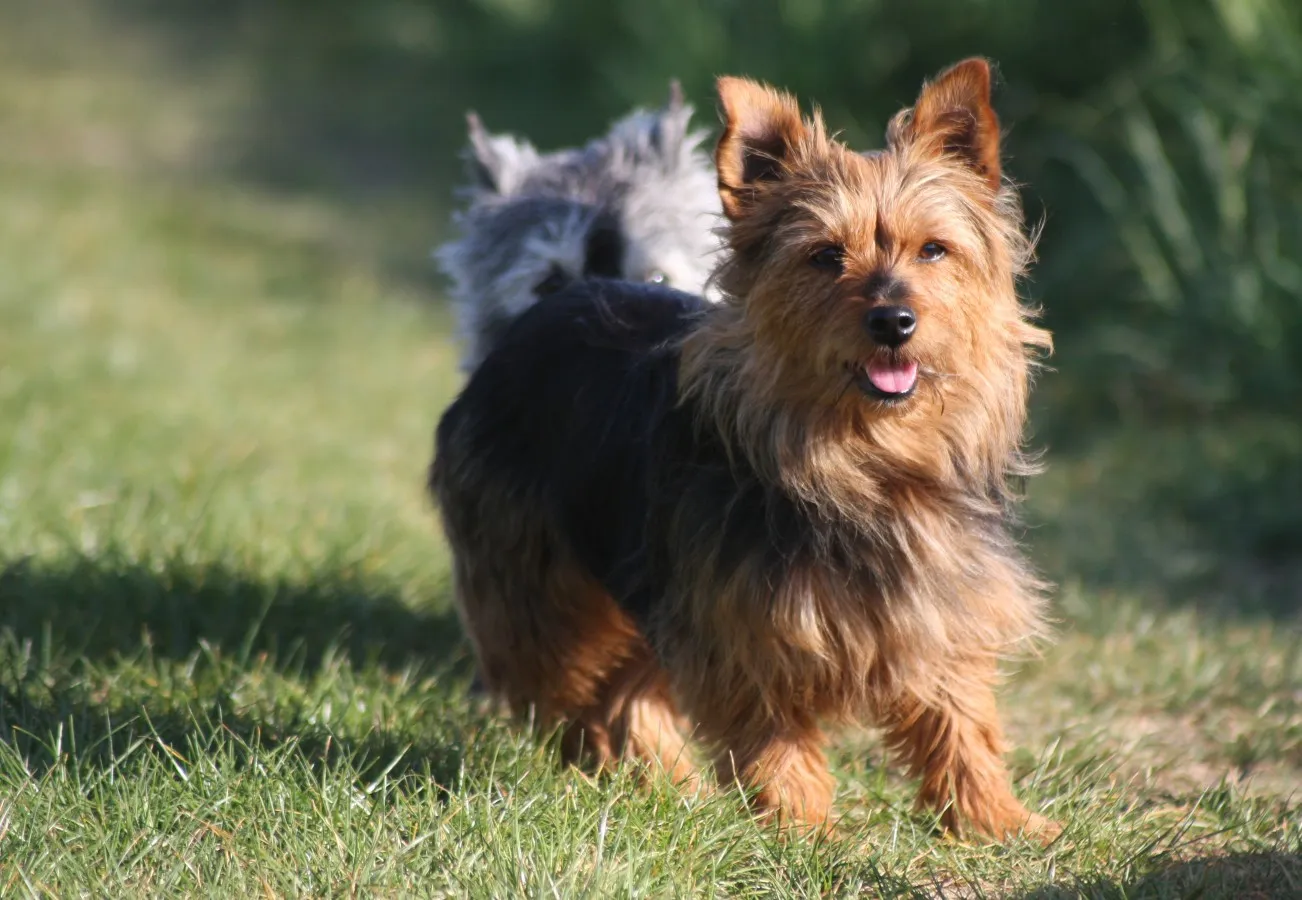
What About Urinary Stones, Pancreatitis, and Teeth?
WebMD says bladder and kidney stones are more common in this breed, and that pancreatitis, inflammation of the pancreas, needs prompt veterinary care. Dental disease is a chronic issue after age two, and daily tooth brushing plus professional cleanings help. Learn the urinary warning signs before you ever need them.
- 01
Straining to urinate
Repeated attempts with little or no urine produced.
- 02
Blood in the urine
Pink, red, or brown urine.
- 03
Unable to urinate
No urine at all, which is an emergency.
- 04
Vomiting, belly pain, or lethargy
Signs that can accompany pancreatitis.
What Does Managing an Australian Terrier's Health Cost?
| Condition or Need | Typical Cost Range | Notes |
|---|---|---|
| Diabetes diagnostic bloodwork | $150 to $300 | Confirms the diagnosis |
| Insulin and monitoring supplies | $50 to $100 per month | Ongoing once diagnosed |
| Patellar luxation surgery | $1,500 to $3,500 per knee | For moderate to severe cases |
| Legg-Calve-Perthes surgery | $1,500 to $3,000 | Affected puppies |
| Annual eye exam | $75 to $250 | Worth adding from middle age |
Questions to Ask a Breeder
If you are buying a puppy, ask for the parents' recommended breed tests: a patella evaluation, an eye exam by an ophthalmologist, and a thyroid evaluation. Ask whether diabetes, urinary stones, or early hip disease has appeared in the pedigree and at what age.
Daily Life With an Australian Terrier
The AKC calls the breed plucky, spirited, and smart. PetMD notes a strong prey drive, so keep the dog leashed outside secure areas, and a need for steady exercise and mental work, since these dogs were bred to hunt rodents and are not content to lie around all day. The personality profile explains the confident, independent side of the breed, and short, reward-based training sessions work well.
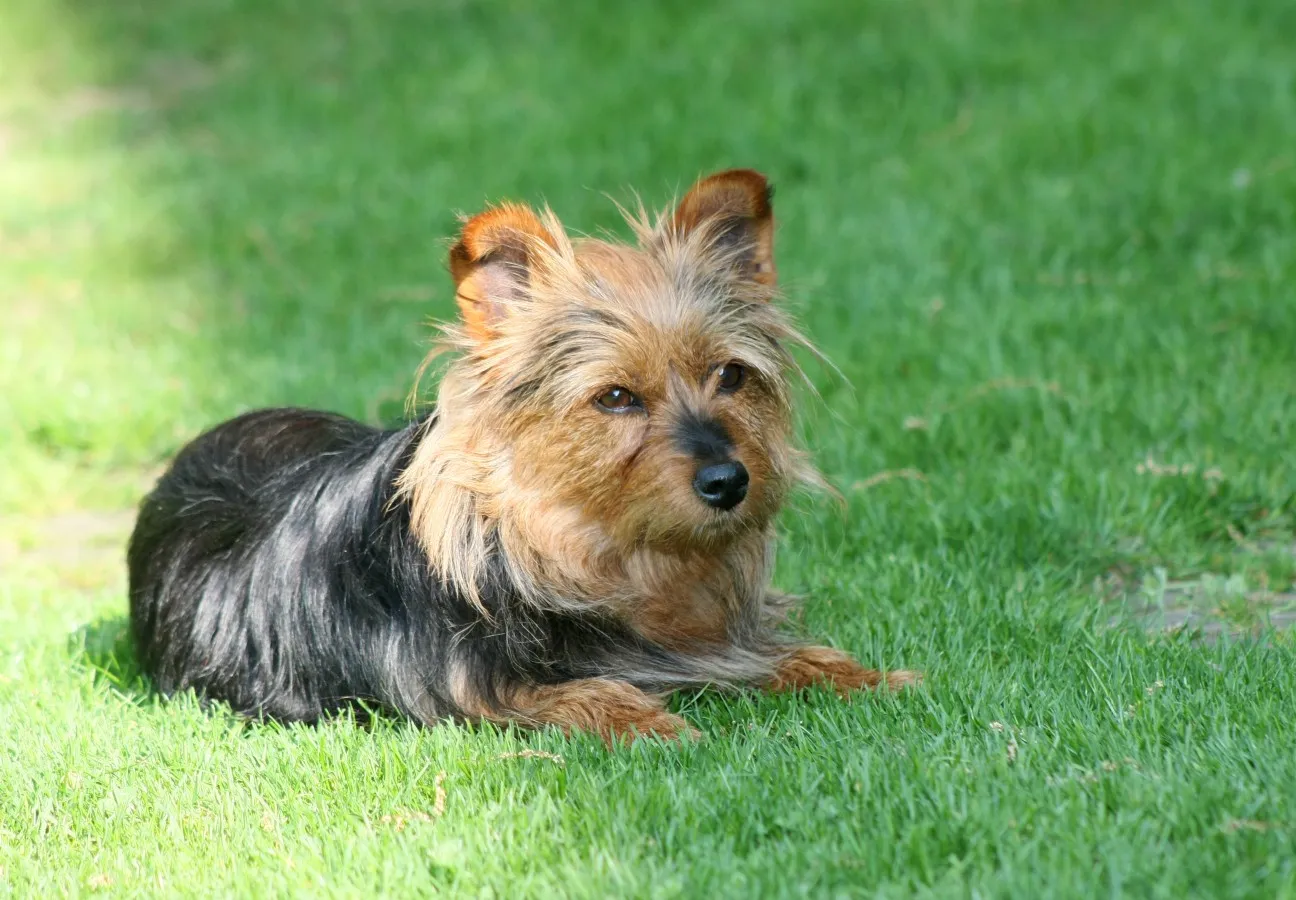
The double coat needs weekly brushing and professional grooming is usually unnecessary, according to PetMD, and the grooming profile covers trimming around the eyes and ears. WebMD advises keeping the dog lean, because extra weight raises the risk of joint, metabolic, and heart problems.
Keeping Your Australian Terrier Healthy for the Long Run
Keep your dog at a lean weight, schedule senior bloodwork, and ask about knee and eye checks at routine visits. Brush the teeth daily and have any limp, new thirst, or itch examined promptly. Pet insurance is worth pricing while your dog is young and healthy.
Final Thoughts From a Veterinarian
Australian Terriers often live 11 to 15 years. Keep your dog lean, learn the early signs of diabetes, ask your veterinarian about knee, eye, and thyroid checks, and treat straining to urinate as urgent. Your veterinarian can tailor the plan.
Health & Costs FAQ
How much do Australian Terrier cost?
The cost of an Australian Terrier typically ranges from $1,000 to $1,500 when purchased from a reputable breeder. Adoption fees are much lower, generally around $200 to $500. Owners should also budget approximately $500 to $1,200 for initial supplies, vaccinations, and essential gear to ensure a healthy start.
Purchase cost: 5 / 10
How long do Australian Terrier live?
Australian Terriers typically live 11 to 15 years. Breed club surveys report an average near 11 years and a median just above 12. Keeping a lean weight, brushing teeth, and regular veterinary care support a long life.
Life expectancy: 7 / 10
Are Australian Terrier healthy dogs?
Australian Terriers are generally hardy and often live 11 to 15 years, but they are prone to diabetes, patellar luxation, and Legg-Calve-Perthes disease. A small breed club survey found diabetes in about 10% of dogs. Keeping the dog lean and scheduling regular checkups helps.
Health: 6 / 10
What health problems do Australian Terrier have?
Diabetes, patellar luxation, and Legg-Calve-Perthes disease are the main concerns. Cataracts, dry eye, skin allergies, ear infections, an underactive thyroid, and bladder or kidney stones also occur. Ask your veterinarian about knee, eye, and thyroid checks.
Health problem risk: 4 / 10
Are Australian Terrier expensive to maintain?
Australian Terriers are inexpensive to maintain day to day. The double coat needs weekly brushing and little professional grooming. Diabetes is the main expense that can change the picture, because insulin and monitoring become an ongoing cost.
Maintenance cost: 2 / 10
How much does it cost to own a Australian Terrier per month?
Expect to spend between $100 and $150 per month to own an Australian Terrier. This budget covers high-quality food, routine veterinary care, and preventative medications. Their low-maintenance coats and small size keep costs manageable, though owners should budget for potential health screenings like diabetes monitoring.
Monthly ownership cost: 3 / 10
How much does pet insurance cost for a Australian Terrier?
Pet insurance for an Australian Terrier typically costs about $40 to $65 per month, depending on age and location. Because diabetes and kneecap problems occur in the breed, it is worth pricing a policy while your dog is young and healthy.
Pet insurance cost: 4 / 10
Will homeowners insurance cover a Australian Terrier?
Yes, most homeowners policies cover Australian Terriers, as the breed is not typically on restricted lists. Always disclose your pet to your insurer to keep your liability coverage accurate.
Homeowners insurance difficulty: 9 / 10
Are Australian Terrier on insurance restricted breed lists?
No, Australian Terriers are not typically found on insurance restricted-breed lists. Most providers view this small breed as a low-liability risk, but it is always best to disclose your pet to your insurer.
Insurance restriction risk: 2 / 10
Can you get renters insurance with a Australian Terrier?
Yes, you can typically get renters insurance with an Australian Terrier, as the breed is rarely restricted. Always disclose your pet to your insurer to keep your protection active.
Renters insurance difficulty: 8 / 10