Skip to content

Siberian Husky - MAIN HUB

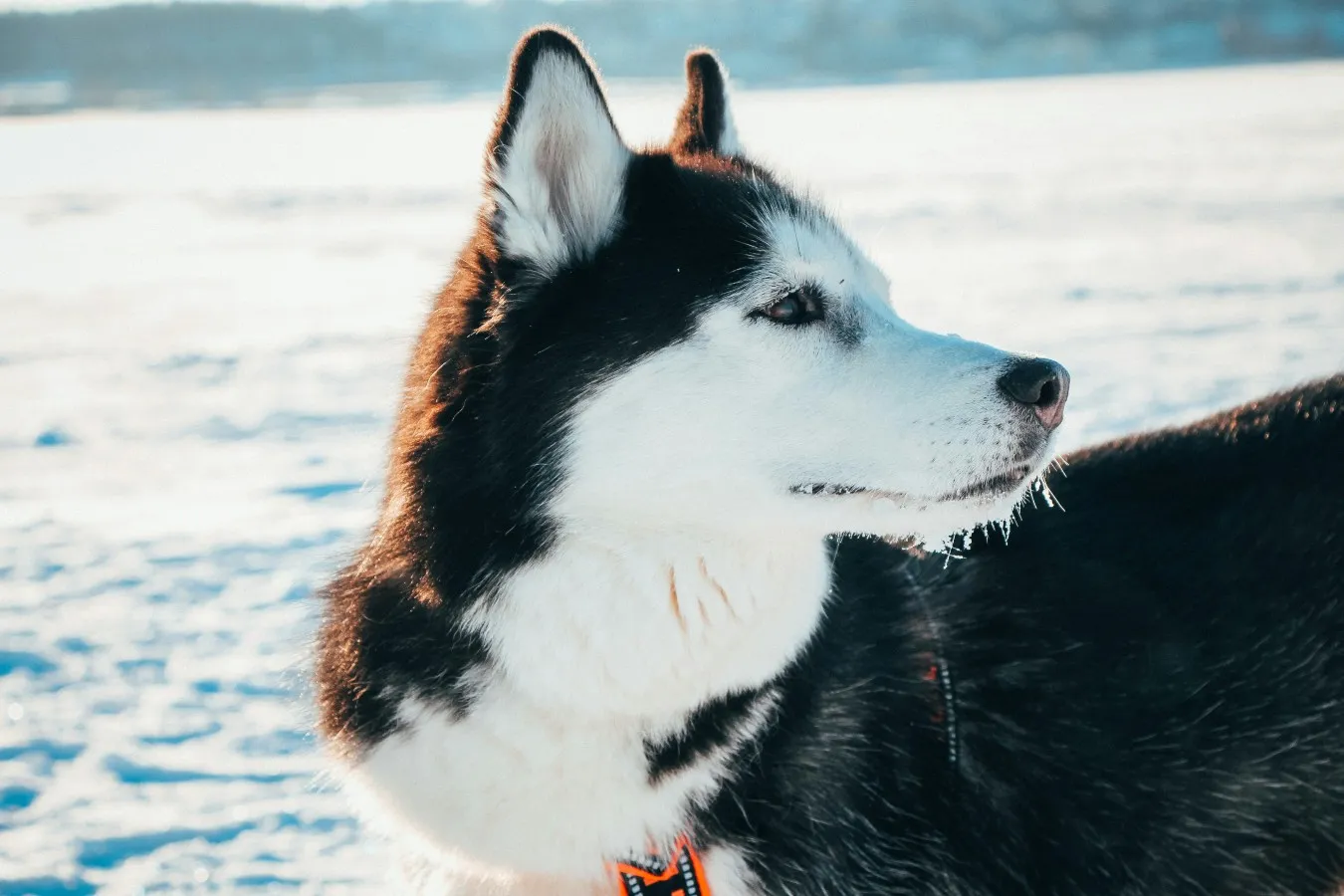
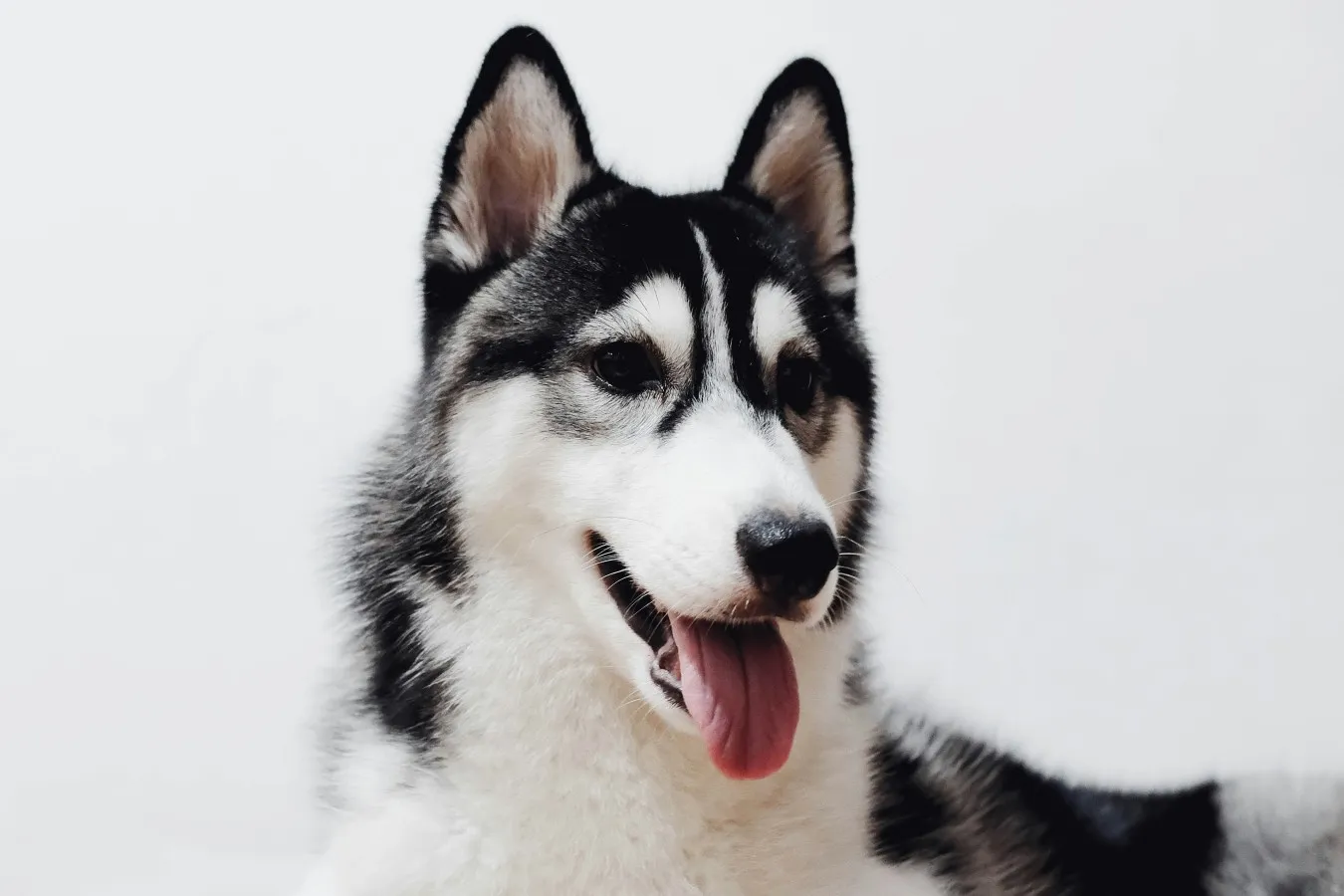
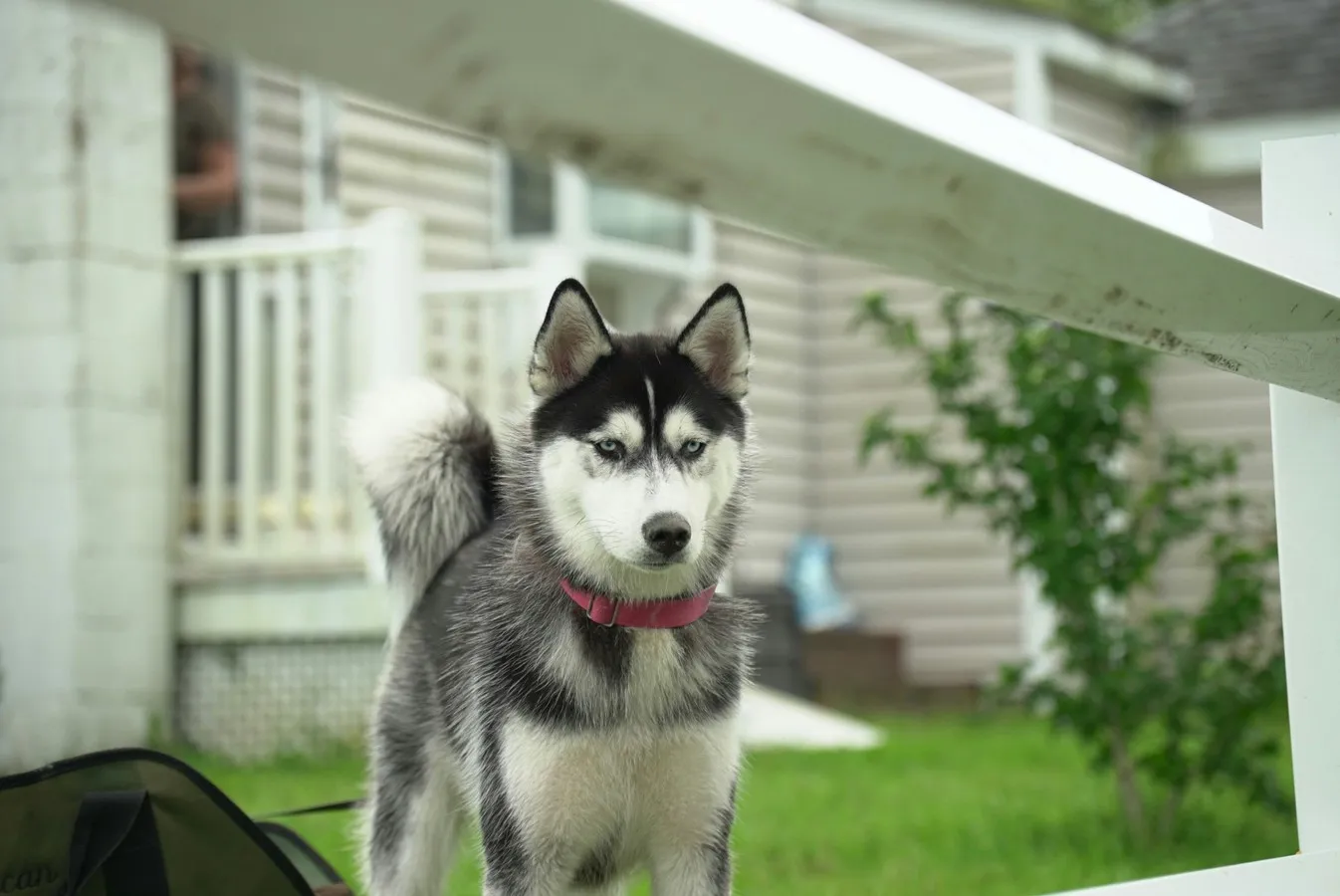
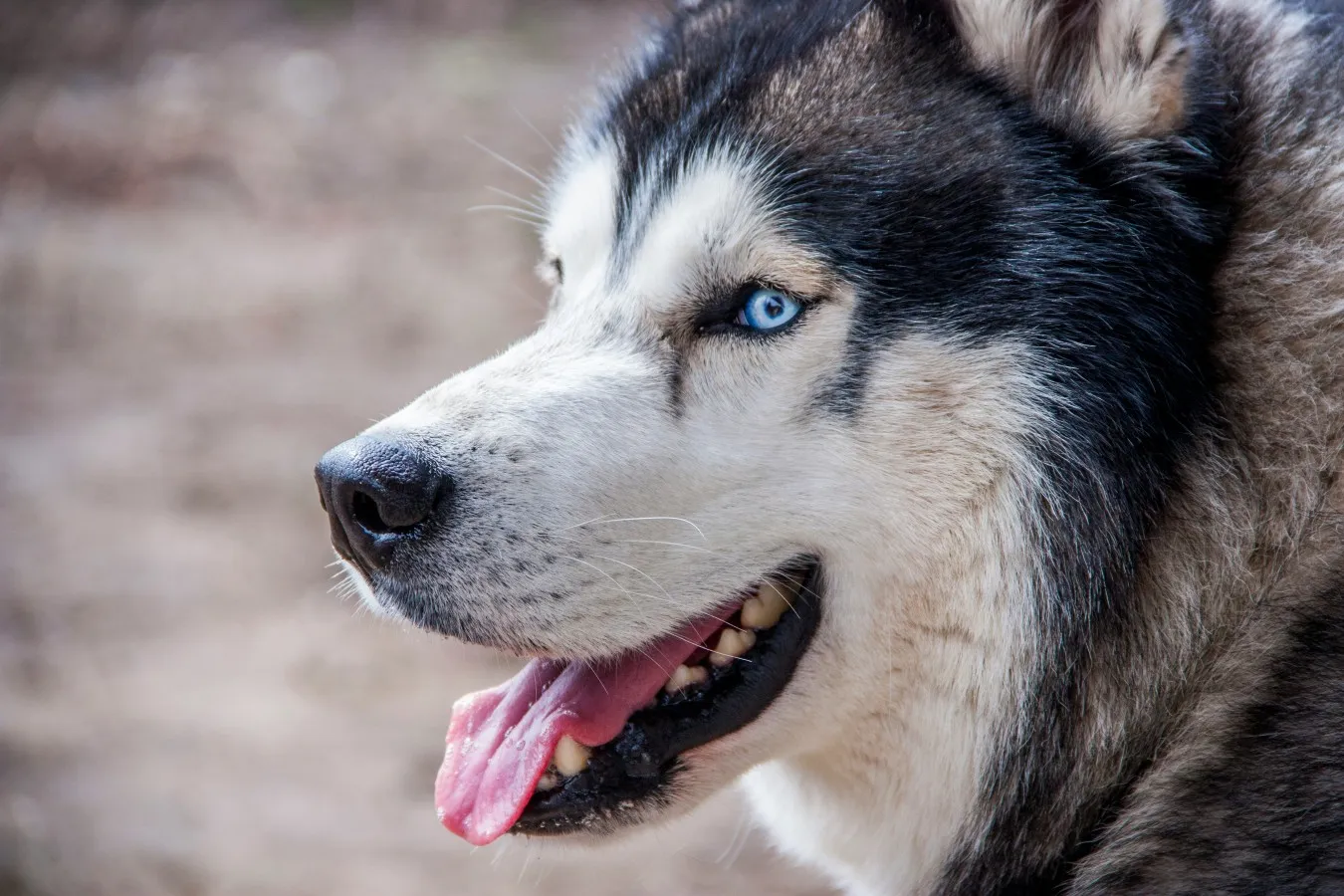
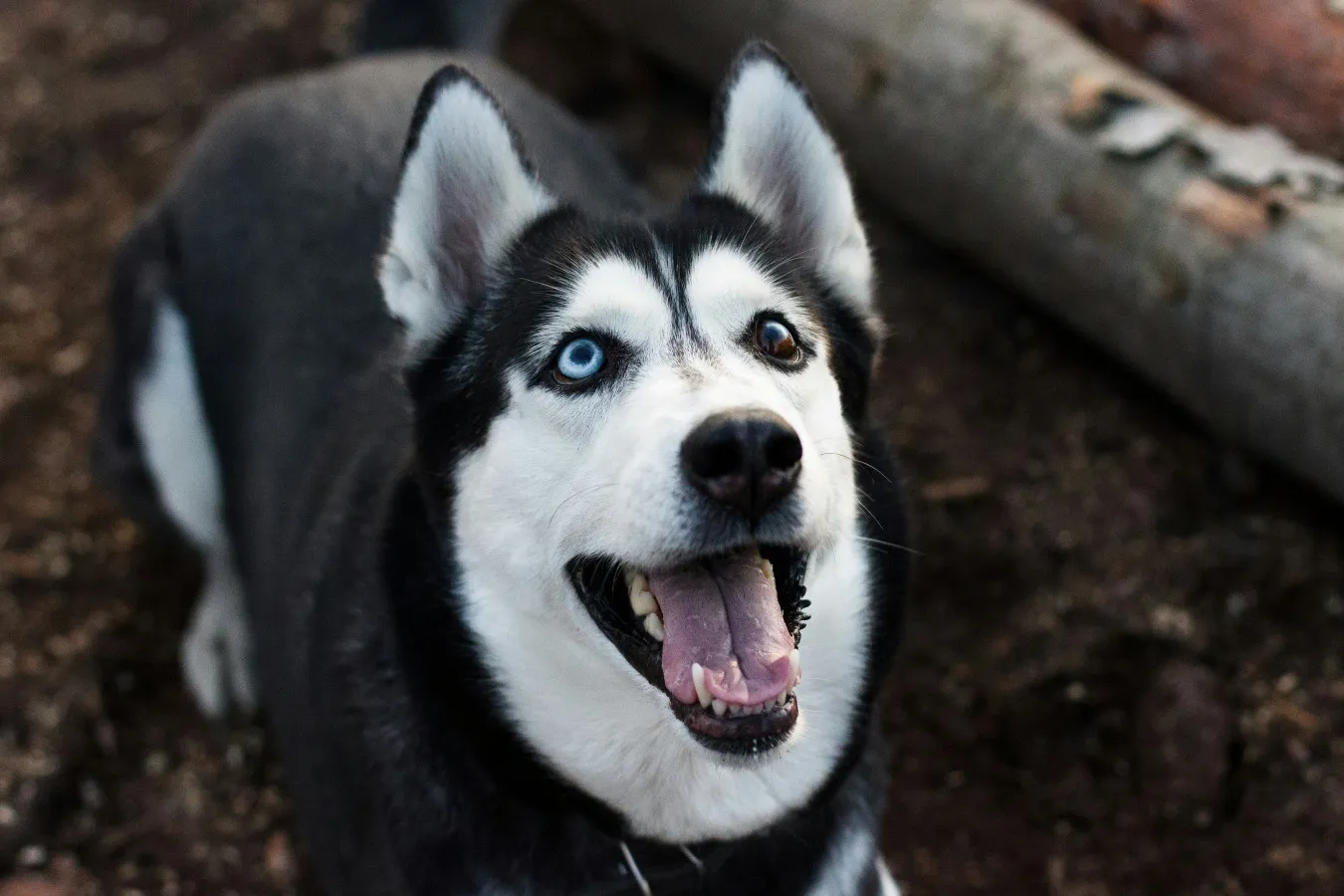
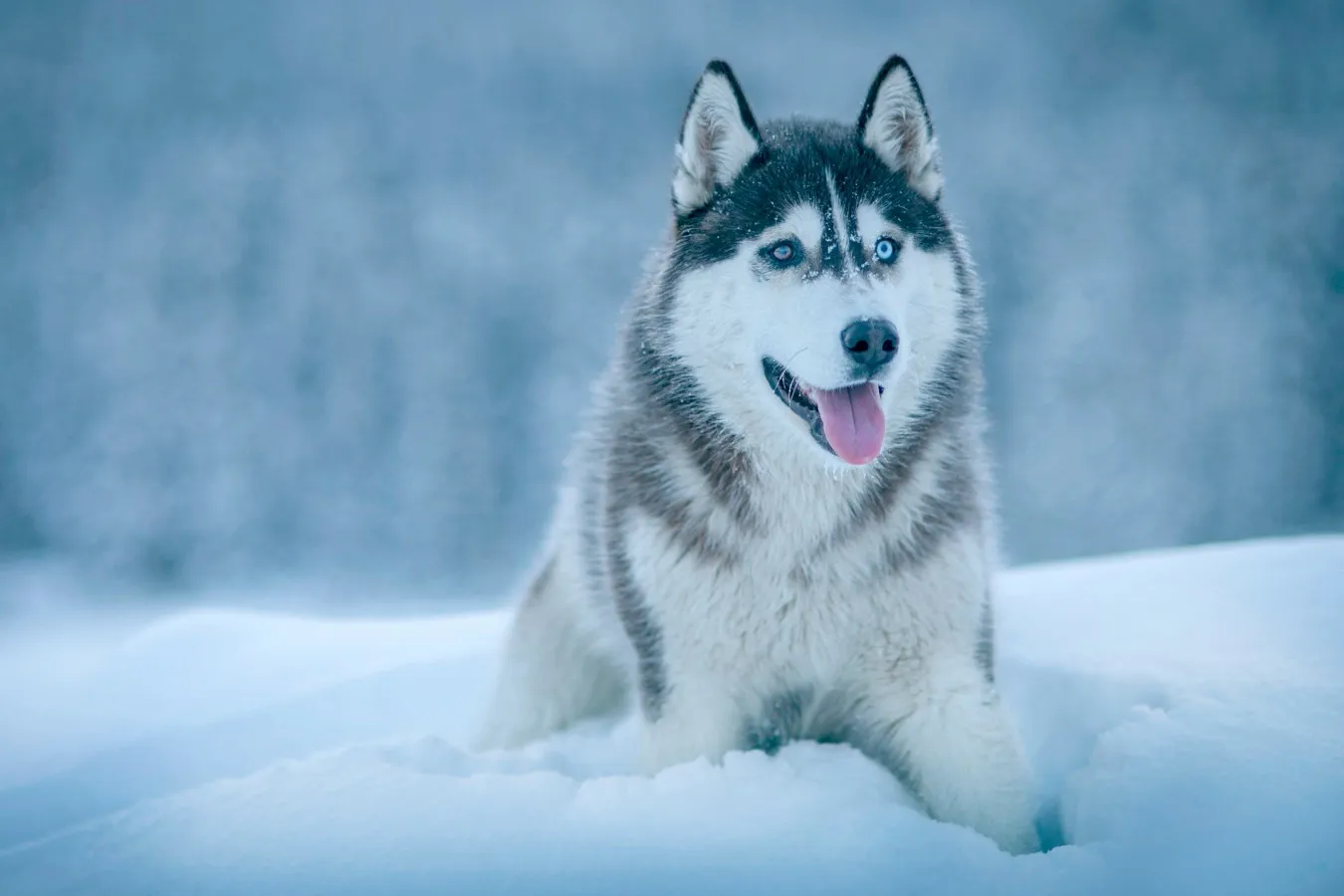
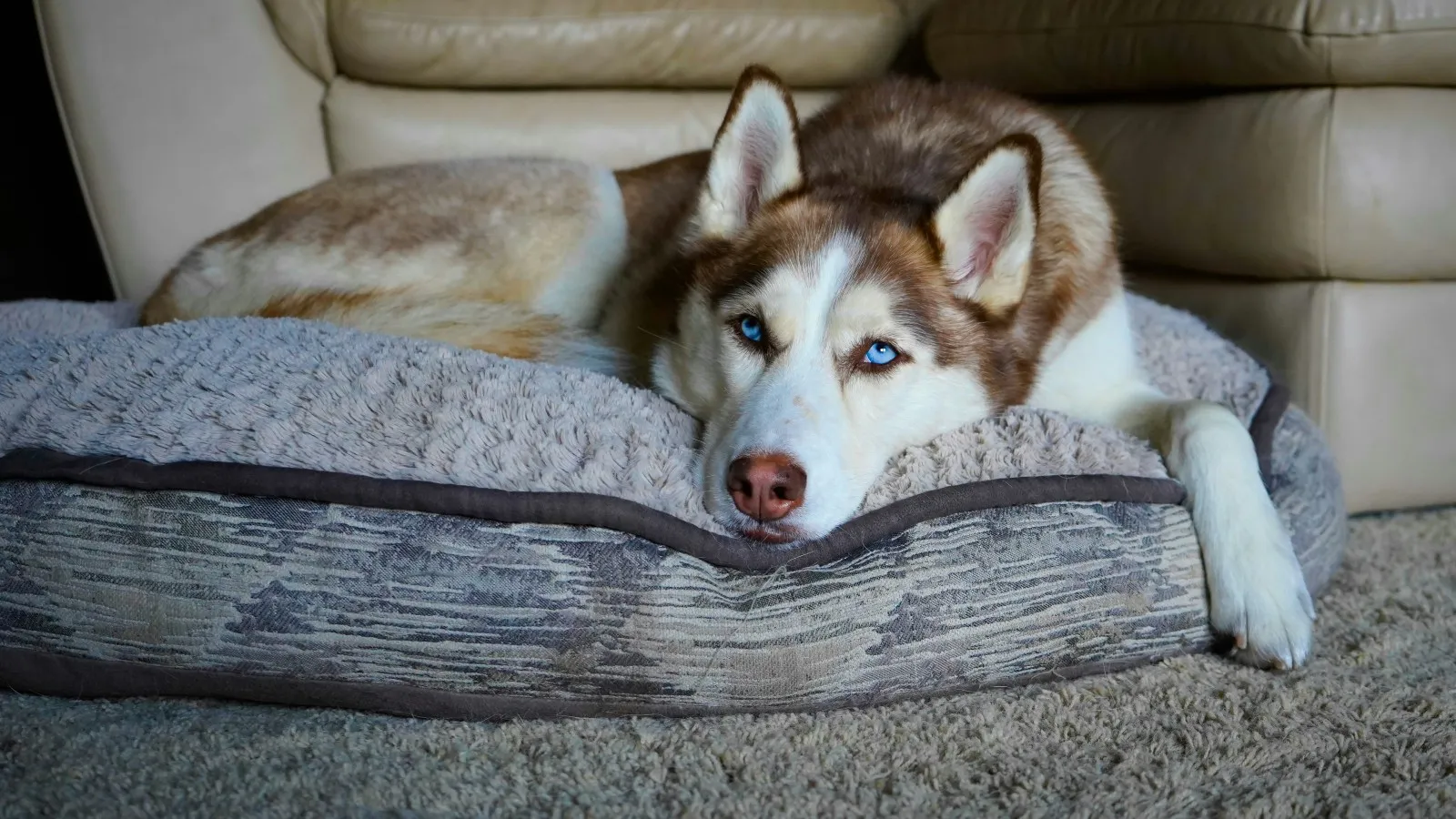
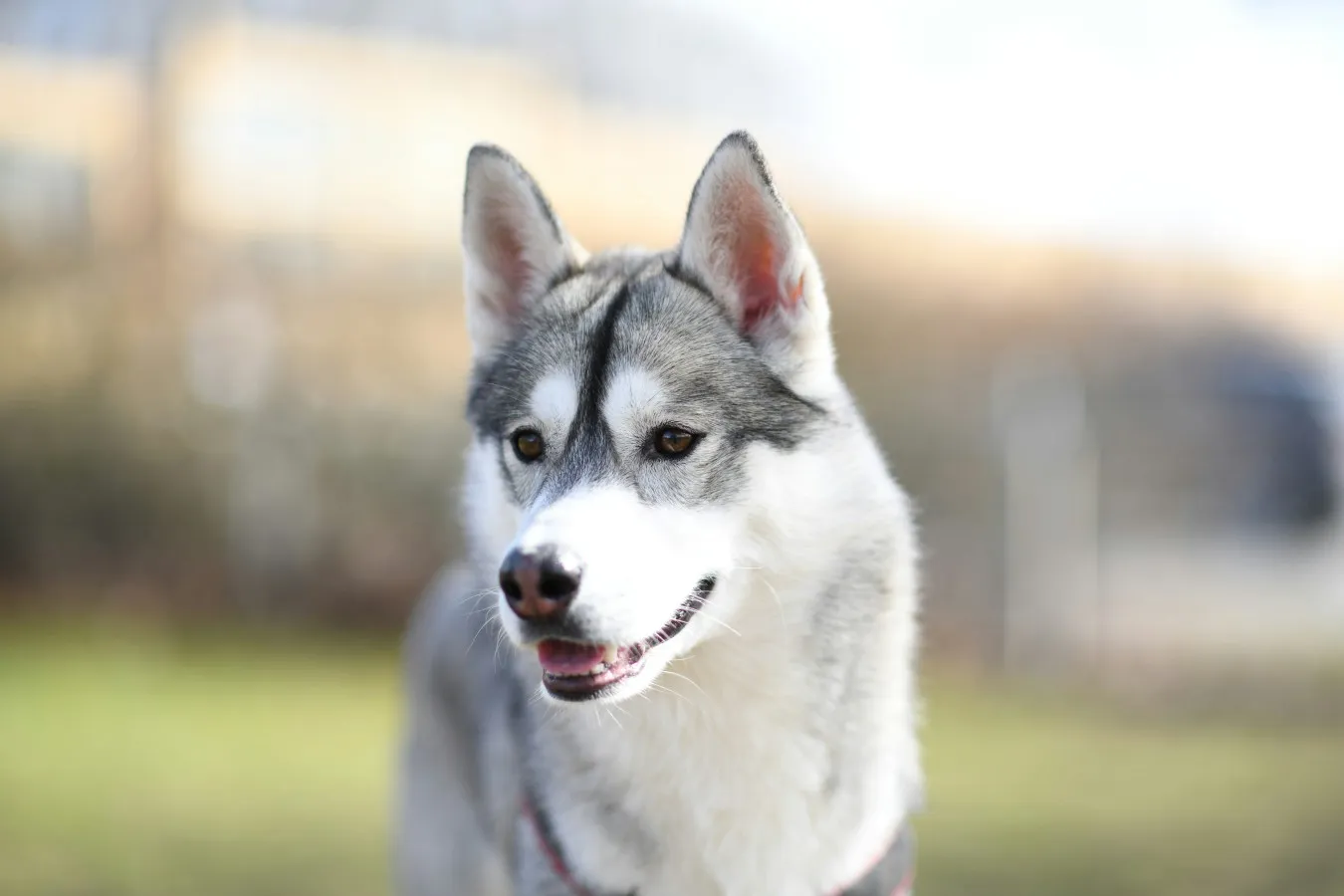
The Siberian Husky is a spirited, vocal adventurer with striking looks and boundless energy, perfect for active families seeking a loyal, goofy pack member.

BREED GROUP

Spitz Dogs

Country of origin

Russia

BREED SIZE

Medium

BREED HEIGHT

20 -

23 IN

51 -

58 cm

BREED WEIGHT

35 -

60 LB

16 -

27 KG

WHAT YOU NEED TO KNOW

The Siberian Husky is a striking, medium-sized working dog celebrated for its friendly, outgoing nature and incredible endurance. Originally bred by the Chukchi people for sled pulling, they are highly energetic and require at least one to two hours of daily vigorous exercise to prevent destructive behaviors. While intelligent and social, Huskies are independent thinkers and notorious escape artists, necessitating secure fencing and consistent, patient training. Their thick double coats require regular grooming, especially during heavy shedding periods, and they thrive best in active households with ample human companionship.
american kennel club (AKC) recognition

Yes

Breed was recognized in 1930.

International Canine Federation (FCI) recognition

Yes

Breed was recognized in 1966.
WHAT DO OWNERS WANT TO KNOW?

Are Siberian Huskies good family dogs?

Excellent

9 out of 10

Siberian Huskies make excellent family dogs for active households due to their friendly, outgoing, and social nature. While they thrive on human companionship and bond well with their "pack," they require significant daily exercise and consistent training to manage their high energy and independent thinking.

Excellent

9 out of 10

Siberian Huskies are generally excellent with children due to their friendly, gentle, and tolerant nature. As social pack animals, they bond deeply with their family and enjoy the high-energy play styles of active kids. While they are famously patient, their large size and exuberant energy mean they can accidentally knock over toddlers, so supervised play and early socialization are recommended to ensure safe and respectful interactions.

Not Recommended

1 out of 10

Siberian Huskies are generally not recommended for first-time owners due to their intense energy levels, strong prey drive, and independent, stubborn nature. Their reputation as notorious escape artists and their need for consistent, patient training can be overwhelming for those without previous breed experience. For dedicated novices, success requires a significant commitment to meeting their high physical and mental stimulation needs.

Not Recommended

1 out of 10

Siberian Huskies are generally not suited for apartment living due to their high energy levels, intense exercise needs, and tendency to howl or "talk" loudly, which can disturb neighbors. While they can adapt to smaller spaces if provided with several hours of vigorous daily activity, their vocal nature and reputation for being destructive when bored make them a challenging choice for close-quarters urban environments.

Strictly Required

1 out of 10

Siberian Huskies highly benefit from a securely fenced yard due to their extraordinary energy levels and notorious reputation as escape artists. Originally bred to run vast distances, they possess an overwhelming drive to explore and can easily jump over or dig under standard barriers. While they can adapt to urban living with 1-2 hours of vigorous daily exercise like running or hiking, a secure outdoor space provides a vital outlet for their athletic nature and helps prevent destructive behaviors caused by boredom.

Not Recommended

1 out of 10

Siberian Huskies are highly social pack animals that thrive on companionship and can suffer from severe separation anxiety if left alone for long periods. While well-trained adults can typically manage two to three hours of solitude, prolonged isolation often leads to destructive behaviors like heavy chewing, digging, or excessive howling. Owners should ensure they are thoroughly exercised beforehand and provided with engaging toys, but this breed is not recommended for households where they will be left alone regularly.

Not Recommended

1 out of 10

Siberian Huskies have an exceptionally high prey drive and are not generally recommended for households with cats. While they can sometimes coexist if raised together from a very young age, their strong Arctic hunting instincts can trigger a chase response at any time, especially with sudden movements. For safety, they should never be left unsupervised with cats, and owners must provide feline housemates with secure escape routes like cat trees and baby gates.

Very Gentle

10 out of 10

Siberian Huskies are famously friendly and gentle, possessing a very low guarding instinct and rarely showing true aggression. While they are alert and may howl to announce visitors, they are typically welcoming to strangers and lack the possessive drive of a guard dog. Their high prey drive, however, means they may chase or injure small animals if not properly socialized and supervised. Consistent training and early socialization are essential to manage their independent nature and ensure they remain well-mannered companions.

Hyperactive

10 out of 10

Siberian Huskies are exceptionally high-energy dogs with incredible endurance, originally bred to pull sleds over long distances. They require at least one to two hours of vigorous daily exercise, such as running, hiking, or agility training, to prevent boredom and destructive behaviors. Without a consistent outlet for their athletic nature, these independent and spirited adventurers may become notorious escape artists or engage in excessive howling and chewing.

~120+ min a day

10 out of 10

Siberian Huskies are exceptionally high-energy dogs that require at least one to two hours of vigorous daily exercise, such as running, hiking, or pulling. Providing substantial physical and mental stimulation is essential to satisfy their endurance and prevent destructive behaviors. Due to their thick double coats, it is important to exercise them during cooler parts of the day to avoid overheating.

Danger

1 out of 10

Siberian Huskies are sensitive to heat due to their thick double coats, which are designed to retain warmth rather than shed it. They are prone to overheating and heatstroke in temperatures above 80°F. Owners must provide constant access to shade, fresh water, and air conditioning, while limiting exercise to the early morning or late evening to ensure their safety. Never shave their coat, as it provides essential insulation and protects their skin from sunburn.

Danger

1 out of 10

Siberian Huskies are sensitive to heat due to their thick double coats, which are designed to retain warmth rather than shed it. They are prone to overheating and heatstroke in temperatures above 80°F. Owners must provide constant access to shade, fresh water, and air conditioning, while limiting exercise to the early morning or late evening to ensure their safety. Never shave their coat, as it provides essential insulation and protects their skin from sunburn.

Frequently Restricted

1 out of 10

Siberian Huskies are frequently subject to apartment breed bans due to their classification by insurance companies as high-risk. Landlords often restrict them not for aggression, but because of their reputation for being vocal and causing significant property damage when bored. Additionally, their size may exceed the weight limits set by many rental properties.

WHAT DO OWNERS WANT TO KNOW?


Photo
Reviewed by
Dr. Vojtech Gabriel
DVM · PhD · MBA
Veterinarian Researcher Dog breed specialist
Verified

"Siberian Huskies are striking and hardy but carry significant genetic predispositions, particularly regarding ocular health. As a veterinarian, I strongly emphasize annual exams with a veterinary ophthalmologist to screen for juvenile cataracts, corneal dystrophy, and X-linked progressive retinal atrophy, which can lead to early blindness. They are also uniquely prone to zinc-responsive dermatosis, requiring monitoring for crusty skin around the face and paw pads. While hip dysplasia is less common than in other working breeds, maintaining a lean weight is critical for joint longevity. I also recommend monitoring for autoimmune conditions like hypothyroidism and uveodermatologic syndrome. Prospective owners should prioritize breeders with CAER and OFA certifications and must never shave their insulating double coats."
Other Spitz Dogs