American Staffordshire Terrier Health and Costs
Breed Group
Terrier Dogs
Country of Origin
United States
Breed Size
Medium
AKC Recognition
Yes, recognized in 1936
FCI Recognition
Yes, recognized in 1954
Rarity
Common3 / 10
Purchase cost
Moderate to Expensive6 / 10
Life expectancy
Long Lifespan8 / 10
Health
Generally healthy7 / 10
Health problem risk
Moderate health concerns4 / 10
Maintenance cost
Average maintenance cost5 / 10
A Veterinarian's Guide
American Staffordshire Terrier Health Problems and Costs
The American Staffordshire Terrier is a muscular, affectionate, athletic terrier that is usually sturdy and long-lived. A handful of issues do repeat in the breed: hips and elbows, the heart and thyroid, the skin, the eyes, and an inherited nerve disorder that breeders can test for. Knowing them before you bring a puppy home, or while you already share your life with one, makes screening and vet visits much easier to plan.
In this guide
Why Do Hips and Elbows Need Screening in This Athletic Breed?
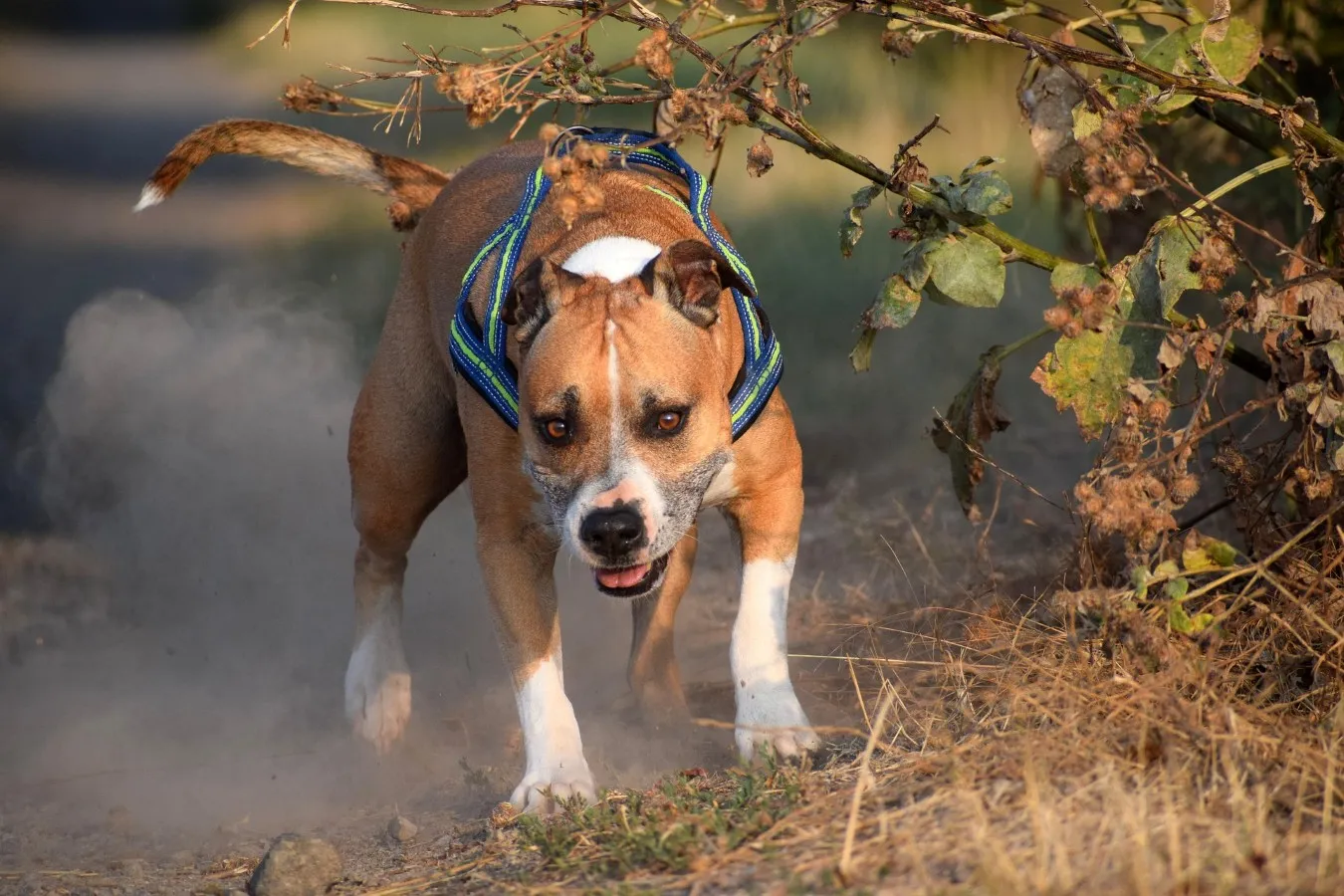
Hip dysplasia is a malformation that develops during growth, when the ball and socket of the hip do not grow at matching rates and the joint becomes loose. Dysplasia comes from the Greek dys, "abnormal," and plasis, "formation." Arthritis often follows as the body tries to stabilize the joint, and many dogs show no signs for years. Elbow dysplasia, the same kind of malformation in the elbow, often shows up by about one year of age, and the breed club recommends a hip evaluation for breeding dogs.
Weight is the part owners control. Excess weight stresses the joints, and keeping a young dog lean through growth lowers the risk of joint trouble. A muscular terrier can look fit while carrying extra weight, so a hands-on rib check at every routine visit is more useful than the scale alone.
Why Does This Breed Need Heart and Thyroid Checks?
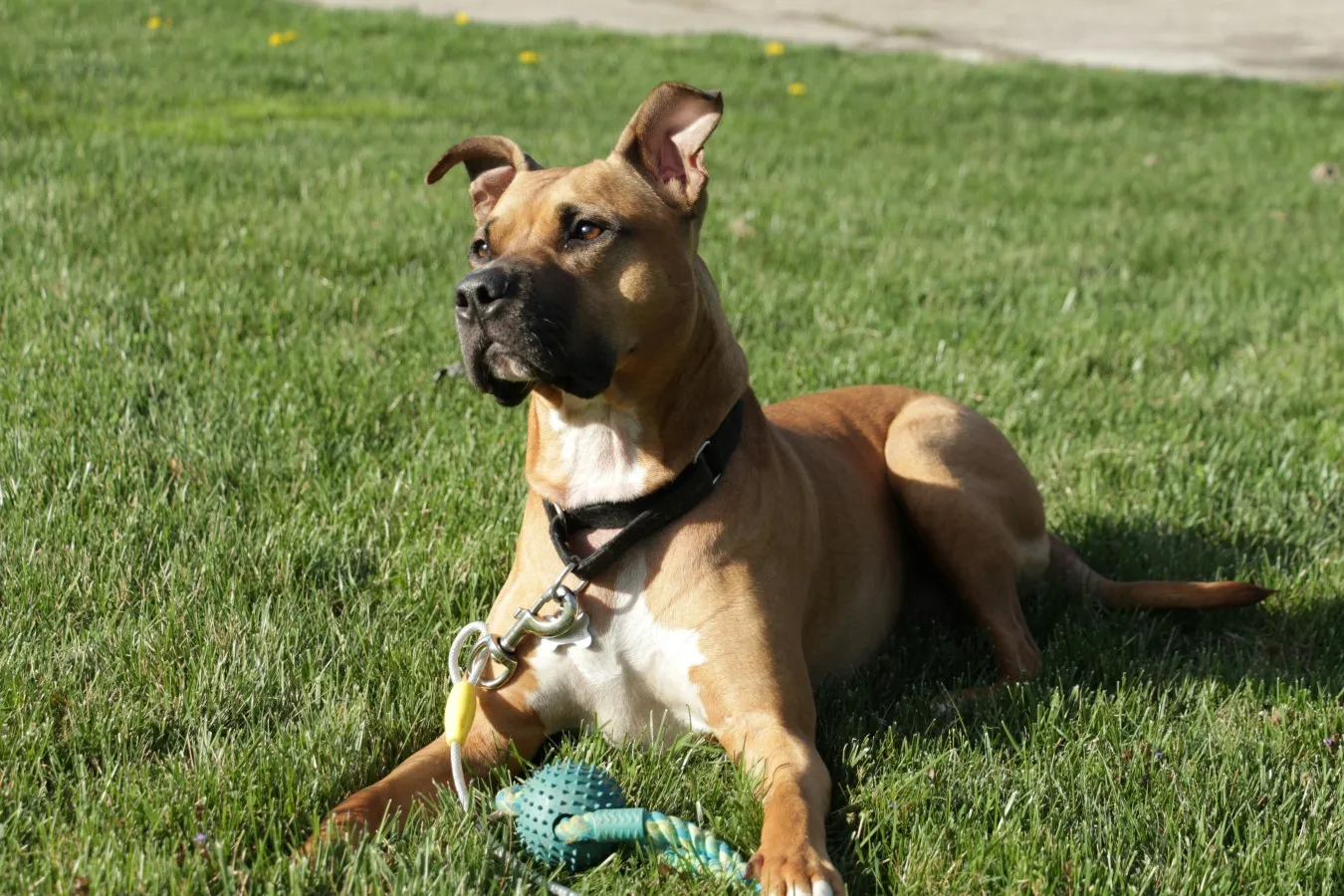
The breed club recommends a cardiac exam and a thyroid evaluation for breeding dogs. A cardiac exam is a veterinarian's careful check of the heart for murmurs and other abnormalities, which is also why routine physicals matter for pets that look perfectly well. Cardiac comes from the Greek kardia, "heart."
Hypothyroidism, or low thyroid hormone activity, is usually seen between about four and ten years of age. The signs are easy to dismiss: weight gain without a bigger appetite, low energy, a dull or thinning coat, and recurrent skin or ear infections. A blood test confirms it, and daily medication manages it for life.
What Nerve and Eye Conditions Should Owners Know About?
Unsteady, wobbly, or uncoordinated movement, especially in a young dog, needs a veterinary visit. The breed can carry inherited nerve disorders that have no cure.
Cerebellar ataxia is a hereditary neurological disorder in which the part of the brain that coordinates movement does not work properly. Cerebellum is Latin for "little brain," and ataxia comes from the Greek for "lack of order." Another inherited condition, neuronal ceroid lipofuscinosis, often shortened to NCL, has a DNA test that the breed club recommends for breeding dogs. Testing the parents is the practical way to prevent affected puppies.
Progressive retinal atrophy, or PRA, is a hereditary breakdown of the retina's light-sensing cells that causes gradual vision loss and has no treatment. Retina comes from the Latin rete, "net." Regular eye exams help owners notice changes early, and most dogs adapt well to slow vision loss in a familiar home.

Why Are Skin Problems So Common in This Breed?
Food and skin allergies are listed for the breed, and they can lead to hot spots, moist, painful patches of irritated skin that a dog creates by licking or chewing. The breed is also predisposed to demodicosis, a skin disease linked to Demodex mites, which is mostly seen in young dogs. The short coat looks low maintenance, but itching, redness, hair loss, and recurrent ear infections deserve a veterinary look rather than a guess.
- 01
Facial swelling or hives
Sudden puffiness around the face or raised welts after a new food, medication, or sting.
- 02
Trouble breathing
Labored or noisy breathing along with swelling or itching.
- 03
Repeated vomiting
Vomiting more than once soon after exposure to a possible trigger.
- 04
Collapse or weakness
The dog becomes weak, wobbly, or cannot stand.

What Does Managing an American Staffordshire Terrier's Health Actually Cost?
| Condition or Need | Typical Cost Range | Notes |
|---|---|---|
| Hip radiographs (certified) | $250 to $450 | Before breeding, ideally |
| Thyroid panel | $80 to $150 | If signs appear or from middle age |
| Thyroid medication | $20 to $40/month | Lifelong once diagnosed |
| Annual eye exam | $75 to $200 | Starting in early adulthood |
| Hip or elbow surgery | $3,000 to $7,000 per joint | Depends on the procedure |
Questions to Ask a Breeder Before Buying a Puppy
The breed club recommends hip evaluations, cardiac exams, thyroid evaluations, and the NCL DNA test for breeding dogs, so ask to see the results for both parents. It is also reasonable to ask about eye exams, skin and allergy history in the line, and any coordination problems in relatives.
Ask about temperament and socialization too, since the breed is often reserved with strangers. A thoughtful breeder will ask you just as many questions in return.
Daily Life With an American Staffordshire Terrier
This is an affectionate, loyal, and eager-to-please dog that can still be strong-willed, as the personality profile explains. Varied, engaging training sessions and early socialization suit it well, because the breed is often reserved with strangers and has a strong prey drive that makes small pets harder to live with. Expect at least an hour of vigorous activity a day, which can be split into shorter sessions.
The short, stiff coat is easy to care for, with brushing every few weeks usually enough and baths about every four to six weeks to avoid drying the skin, as the grooming guide covers.
Insurance and Local Rules Worth Checking Early
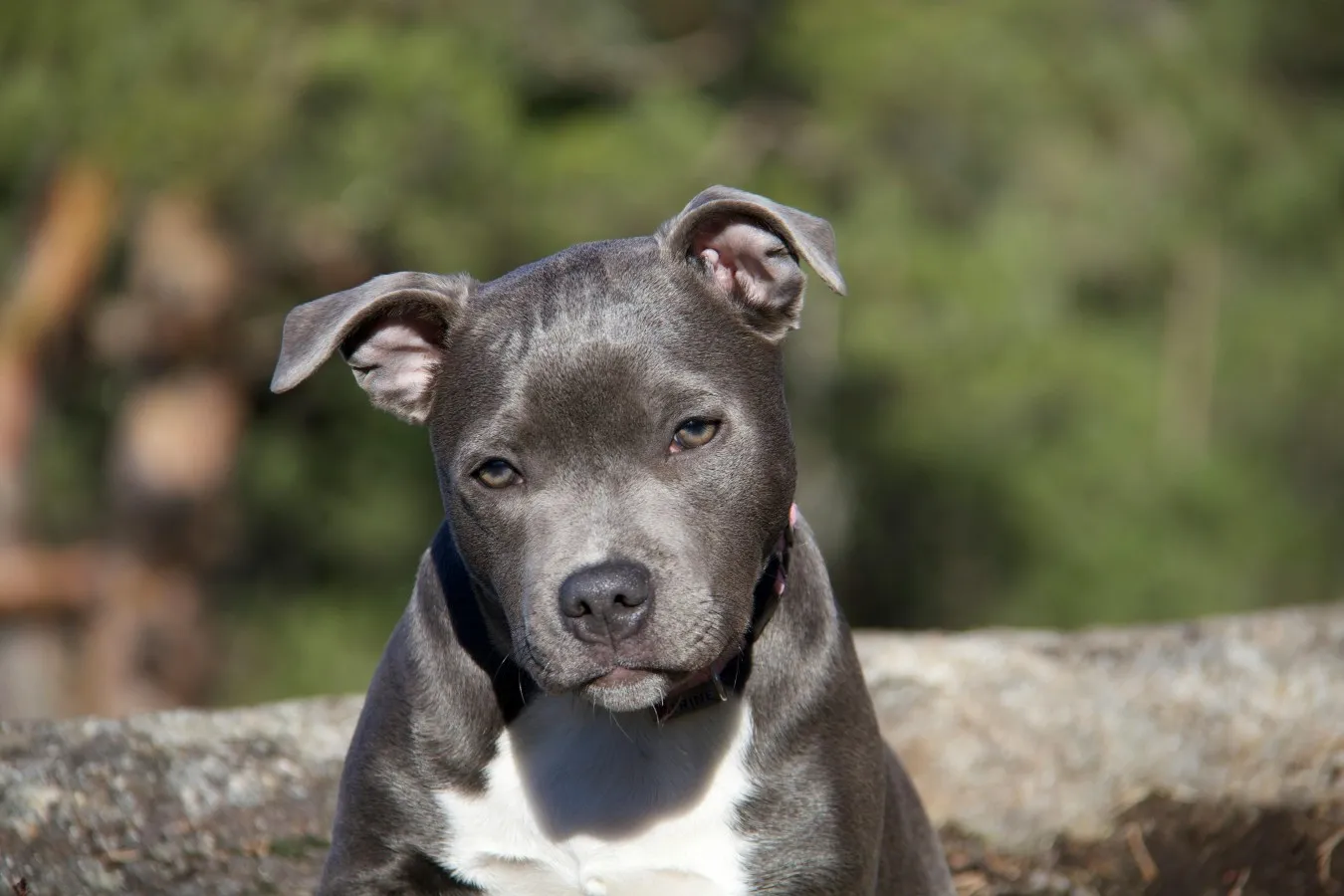
Breed-specific restrictions affect this breed in several countries and some localities, ranging from ownership conditions to outright bans. Before you bring a dog home, check local rules, tell your insurer about your dog by name, and confirm in writing what your homeowners or renters policy covers. Pet insurance for health costs is a separate decision, and it is worth pricing while your dog is young and healthy.
Keeping Your American Staffordshire Terrier Healthy for the Long Run
Keep your dog lean, schedule hip and eye checks, ask your veterinarian to check the heart and thyroid at routine visits, and act early on skin or coordination changes. Reputable breeders who test the parents are your best protection against the inherited conditions in this guide.
Final Thoughts From a Veterinarian
American Staffordshire Terriers often live 12 to 14 years. Screen hips, heart, thyroid and DNA status in breeding lines, keep them lean, and act quickly on skin or coordination changes. Check insurance and local rules early. Your veterinarian can tailor a plan to your dog.
Health & Costs FAQ
How much do American Staffordshire Terrier cost?
American Staffordshire Terriers typically cost between $1,500 and $3,000 from reputable breeders, though show-quality lineages can command higher prices. Adoption is a budget-friendly alternative, usually around $300. New owners should also anticipate spending at least $2,000 on initial supplies, vaccinations, and essential items during the first year.
Purchase cost: 6 / 10
How long do American Staffordshire Terrier live?
American Staffordshire Terriers typically live 12 to 16 years, and most reach 12 to 14. That is a long life for a medium-sized breed. A balanced diet, regular vigorous exercise, a lean weight, and consistent veterinary care help your AmStaff live a long, active life.
Life expectancy: 8 / 10
Are American Staffordshire Terrier healthy dogs?
American Staffordshire Terriers are generally sturdy, but they are not problem-free. Hip and elbow dysplasia, hypothyroidism, food and skin allergies, progressive retinal atrophy, and inherited nerve disorders are listed for the breed. Maintaining a healthy weight and scheduling regular veterinary screenings help catch problems early.
Health: 7 / 10
What health problems do American Staffordshire Terrier have?
American Staffordshire Terriers are prone to hip and elbow dysplasia, skin allergies, and hypothyroidism. They can also face progressive retinal atrophy, cerebellar ataxia, and neuronal ceroid lipofuscinosis, which has a DNA test. The breed club recommends hip, cardiac, and thyroid evaluations for breeding dogs.
Health problem risk: 4 / 10
Are American Staffordshire Terrier expensive to maintain?
American Staffordshire Terriers have moderate maintenance costs. Their short coat is easy to groom at home, but they require high-quality food, durable toys, and regular veterinary care. Including preventive medications and routine exams, owners should budget for ongoing expenses to support this athletic breed's health.
Maintenance cost: 5 / 10
How much does it cost to own a American Staffordshire Terrier per month?
Expect to spend between $225 and $450 per month to own an American Staffordshire Terrier. This budget covers high-quality food, routine veterinary care, preventative medications, and insurance premiums. Costs may fluctuate based on professional training, grooming services, and the specific dietary or medical needs of your companion.
Monthly ownership cost: 3 / 10
How much does pet insurance cost for a American Staffordshire Terrier?
Pet insurance for an American Staffordshire Terrier typically costs between $45 and $137 per month. Rates vary significantly with the dog's age, location, and coverage limits. Because hip dysplasia and skin allergies are listed for the breed, a policy is worth pricing while your dog is young and healthy.
Pet insurance cost: 6 / 10
Will homeowners insurance cover a American Staffordshire Terrier?
Coverage for an American Staffordshire Terrier depends on the insurer. Some companies restrict bully-type breeds, deny coverage, raise premiums, or exclude dog-bite liability, while others look at the individual dog. Disclose your dog by name, confirm liability coverage in writing, and compare insurers before you buy or renew.
Homeowners insurance difficulty: 3 / 10
Are American Staffordshire Terrier on insurance restricted breed lists?
American Staffordshire Terriers can appear on insurers' restricted-breed lists because of the breed's reputation, and breed-specific rules exist in several countries and some localities. Policies vary widely, so ask each insurer about your dog by name and get any exclusions confirmed in writing.
Insurance restriction risk: 8 / 10
Can you get renters insurance with a American Staffordshire Terrier?
Renters insurance with an American Staffordshire Terrier is possible but can take more shopping. Some insurers restrict the breed, and landlords may set their own rules. Disclose your dog, compare policies, and confirm the pet rules with your landlord, since standalone animal liability coverage is another option to ask about.
Renters insurance difficulty: 3 / 10