Lagotto Romagnolo Health and Costs
Breed Group
Sporting Dogs
Country of Origin
Italy
Breed Size
Medium
AKC Recognition
Yes, recognized in 2015
FCI Recognition
Yes, recognized in 2005
Rarity
Rare2 / 10
Purchase cost
Expensive7 / 10
Life expectancy
Very Long Lifespan9 / 10
Health
Very healthy8 / 10
Health problem risk
Low health concerns2 / 10
Maintenance cost
Moderate upkeep cost4 / 10
A Veterinarian's Guide
Lagotto Romagnolo Health Problems and Costs
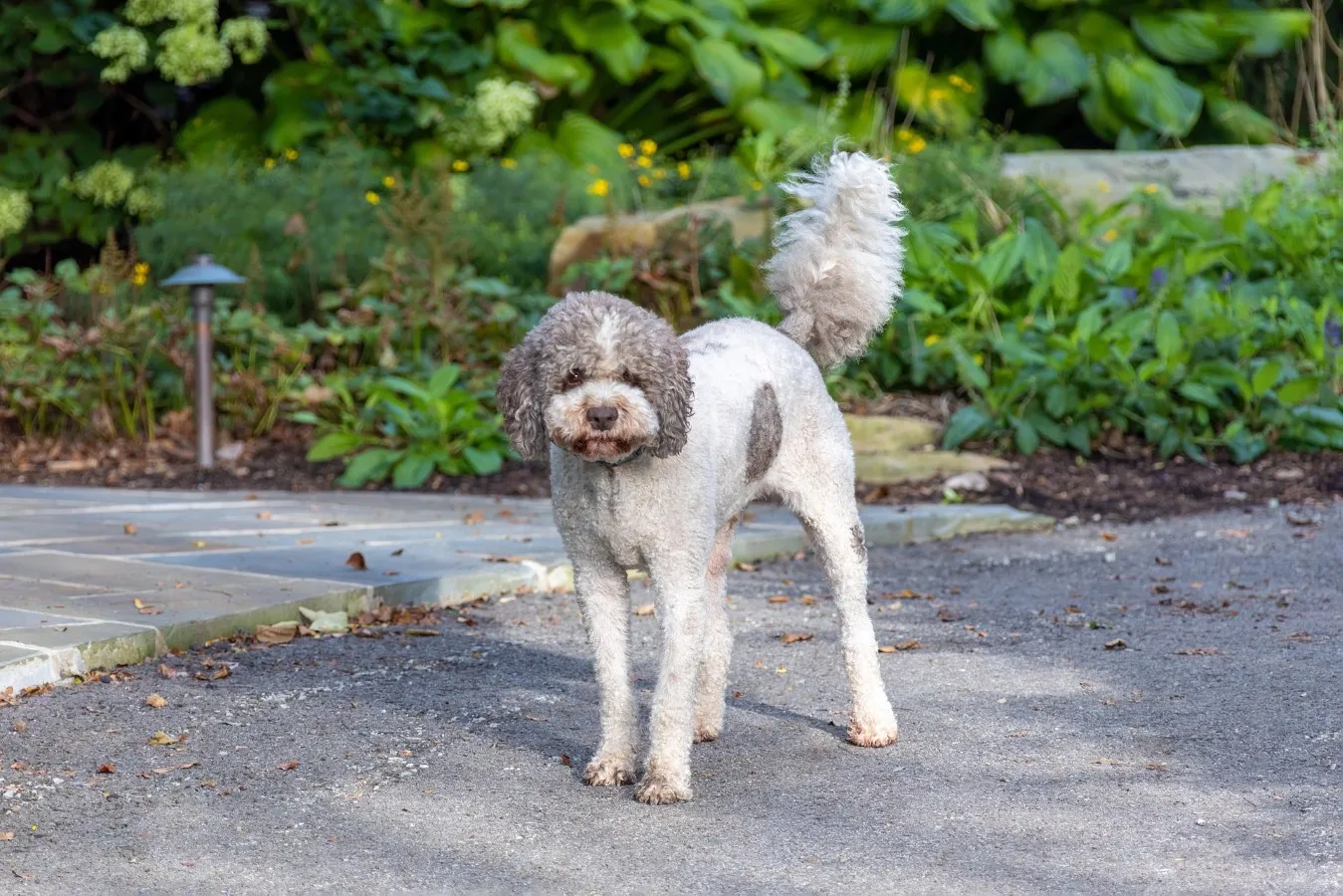
The Lagotto Romagnolo is a small to medium, curly-coated Italian water retriever that now works as a truffle hunter and family companion. It is typically healthy and long-lived, but a few inherited conditions repeat in the breed: neurological disorders, urinary stones, and joint and eye issues, plus ears that need regular care. Several of these have DNA tests, which makes breeder choice the most powerful health decision you will make.
In this guide

Why Do Lagottos Need Neurological Screening?
Seizures, unsteadiness, restlessness, or a sudden change in behavior in a young Lagotto needs a veterinary visit. Several neurological conditions in this breed can be tested for in the parents.
Lagotto storage disease is a progressive neurological condition seen in dogs under about four years of age. Cells cannot clear certain waste material, so it builds up, and the signs include failure to thrive, restlessness, depression, and aggression. Severe cases are often euthanized, which is why reputable breeders test for it. Neuro comes from the Greek for "nerve."
Benign familial juvenile epilepsy causes seizures that can start as early as five weeks and usually resolve by about 8 to 13 weeks. Cerebellar abiotrophy is a degenerative brain disease that affects movement and balance and shortens life expectancy. Cerebellum is Latin for "little brain," and abiotrophy means "loss of life force." The breed club recommends DNA tests for juvenile epilepsy and storage disease in breeding dogs, and testing carriers is the practical way to prevent affected puppies.

What Is Hyperuricosuria and Why Does It Matter?
Hyperuricosuria means too much uric acid in the urine, which raises the risk of kidney or bladder stones. Uric comes from the Greek ouron, "urine." Stones can be hard to treat and sometimes need surgery, so knowing a dog's genetic status helps, and any straining to urinate deserves quick attention.
- 01
Straining without urine
Repeated attempts to urinate with little or no urine produced.
- 02
Blood in the urine
Pink or red urine, especially with discomfort.
- 03
Crying or restlessness
Whining, pacing, or licking at the genitals while trying to urinate.
- 04
Vomiting and weakness
Vomiting or lethargy along with any urinary signs.
Why Do Hips and Knees Need Checking?
The breed club recommends both patella and hip evaluations for breeding dogs. Patellar luxation is a kneecap that slips out of its groove, and signs range from an occasional skip to running on three legs for a few steps. Patella is Latin for "small dish." Hip dysplasia, a malformation that leaves the hip joint loose, is also on the list, and many dogs show no signs for years.
A lean body condition protects both joints, and an active breed like this one usually stays fit when exercise and portions are matched.
What Should Owners Know About the Eyes?
The breed club recommends an ophthalmologist exam for breeding dogs, and a yearly eye exam is a sensible habit for pets too. Curly hair around the face can fall into the eyes, so trimming it keeps the eyes clear, and burrs and debris are worth checking for after time outdoors. Squinting, redness, or discharge needs a veterinary look rather than a wait-and-see approach.
Why Do the Ears and Coat Need Regular Care?
Ear hair can grow thick, and moisture and debris get trapped easily, so trim the hair regularly and clean the ears after swimming or bathing to help prevent infections. Redness, odor, or debris is a reason to see your veterinarian. The curly, wool-like coat sheds very little but mats without regular combing, as the grooming guide covers.
What Does Managing a Lagotto's Health Actually Cost?
| Condition or Need | Typical Cost Range | Notes |
|---|---|---|
| Routine annual care | $500 to $900 | Exam, vaccines, and preventives |
| Hip radiographs (certified) | $250 to $450 | Before breeding, ideally |
| Annual eye exam | $75 to $200 | Starting in early adulthood |
| Kneecap surgery | $1,500 to $3,000 per knee | For higher grades of luxation |
Questions to Ask a Breeder Before Buying a Puppy
The breed club recommends patella, hip, and ophthalmologist evaluations plus DNA tests for benign familial juvenile epilepsy and Lagotto storage disease, so ask to see the results for both parents. It is also reasonable to ask about hyperuricosuria status, any history of cerebellar abiotrophy in the line, and how long relatives lived.
A breeder who raises these topics before you do is usually well informed about the rest of the breed's needs too. A thoughtful breeder will ask you just as many questions in return.
Daily Life With a Lagotto Romagnolo
This is an affectionate, attentive, eager-to-please dog that can be shy, so early socialization matters, as the personality profile explains. Lagottos are very active and need lots of exercise and mental stimulation or they may become destructive, and they tend to bark and love to dig. They are smart and easy to train with positive reinforcement, and regular new challenges in training keep their minds busy.

Keeping Your Lagotto Healthy for the Long Run
Lagottos often live 15 years or more, so a lifetime plan is worth making. Keep your dog lean, schedule hip, knee, and eye checks, keep the ears dry and clean, and report any seizure, behavior change, or urinary straining promptly. Pet insurance is worth pricing while your dog is young and healthy.
Final Thoughts From a Veterinarian
Lagottos often live 15 years or more. Choose a breeder who DNA tests for storage disease and juvenile epilepsy, screen hips, knees and eyes, keep ears clean, and give them plenty of exercise and work. Your veterinarian can tailor a plan to your dog.
Health & Costs FAQ
How much do Lagotto Romagnolo cost?
The average purchase price is $1,500-$3,000.
Purchase cost: 7 / 10
How long do Lagotto Romagnolo live?
Lagotto Romagnolos are known for their longevity, often living 15 to 17 years. This robust Italian breed is among the longer-lived medium-sized dogs. To help your Lagotto reach that age, choose a breeder who DNA tests, keep a lean body condition, and keep up regular veterinary checkups and ear care.
Life expectancy: 9 / 10
Are Lagotto Romagnolo healthy dogs?
Lagotto Romagnolos are typically healthy, long-lived dogs, but they carry some inherited conditions. These include Lagotto storage disease, benign familial juvenile epilepsy, hyperuricosuria, and cerebellar abiotrophy, plus joint and eye concerns. DNA testing of breeding dogs and regular veterinary checkups are the best protection.
Health: 8 / 10
What health problems do Lagotto Romagnolo have?
Lagotto Romagnolos can inherit Lagotto storage disease, benign familial juvenile epilepsy, hyperuricosuria, which raises the risk of urinary stones, and cerebellar abiotrophy. Patellar luxation and hip dysplasia are also screened for, and thick ear hair makes ear infections possible. DNA testing of breeding dogs catches several of these.
Health problem risk: 2 / 10
Are Lagotto Romagnolo expensive to maintain?
Lagotto Romagnolos have moderate upkeep costs. The curly coat sheds very little but needs regular combing and trimming, including around the eyes and ears, and bathing as needed. Costs also come from quality food, exercise gear, and routine veterinary care.
Maintenance cost: 4 / 10
How much does it cost to own a Lagotto Romagnolo per month?
Monthly ownership costs are $150-$350.
Monthly ownership cost: 4 / 10
How much does pet insurance cost for a Lagotto Romagnolo?
Pet insurance for a Lagotto Romagnolo typically costs between $45 and $75 per month. Monthly premiums fluctuate based on your dog's age, local veterinary rates, and chosen coverage levels. Securing a policy early is recommended to manage expenses for potential health issues and ensure your pet receives consistent medical protection.
Pet insurance cost: 4 / 10
Will homeowners insurance cover a Lagotto Romagnolo?
Yes, most homeowners insurance policies cover the Lagotto Romagnolo, as they are not typically found on restricted breed lists. However, since every insurer has different guidelines, it is important to disclose your dog to your provider to ensure full liability protection is included.
Homeowners insurance difficulty: 9 / 10
Are Lagotto Romagnolo on insurance restricted breed lists?
No, Lagotto Romagnolos are not typically found on insurance restricted-breed lists. These lists generally target breeds perceived as high-risk or aggressive. As a medium-sized, versatile working breed, the Lagotto is usually viewed as a standard dog without specific insurance restrictions or increased liability concerns.
Insurance restriction risk: 2 / 10
Can you get renters insurance with a Lagotto Romagnolo?
Yes, you can typically obtain renters insurance with a Lagotto Romagnolo. As they are not on common restricted breed lists, they are generally covered under standard liability sections. Always disclose your pet to your insurer and review your lease for any specific building-related size or breed limitations.
Renters insurance difficulty: 8 / 10