Skip to content

Schipperke

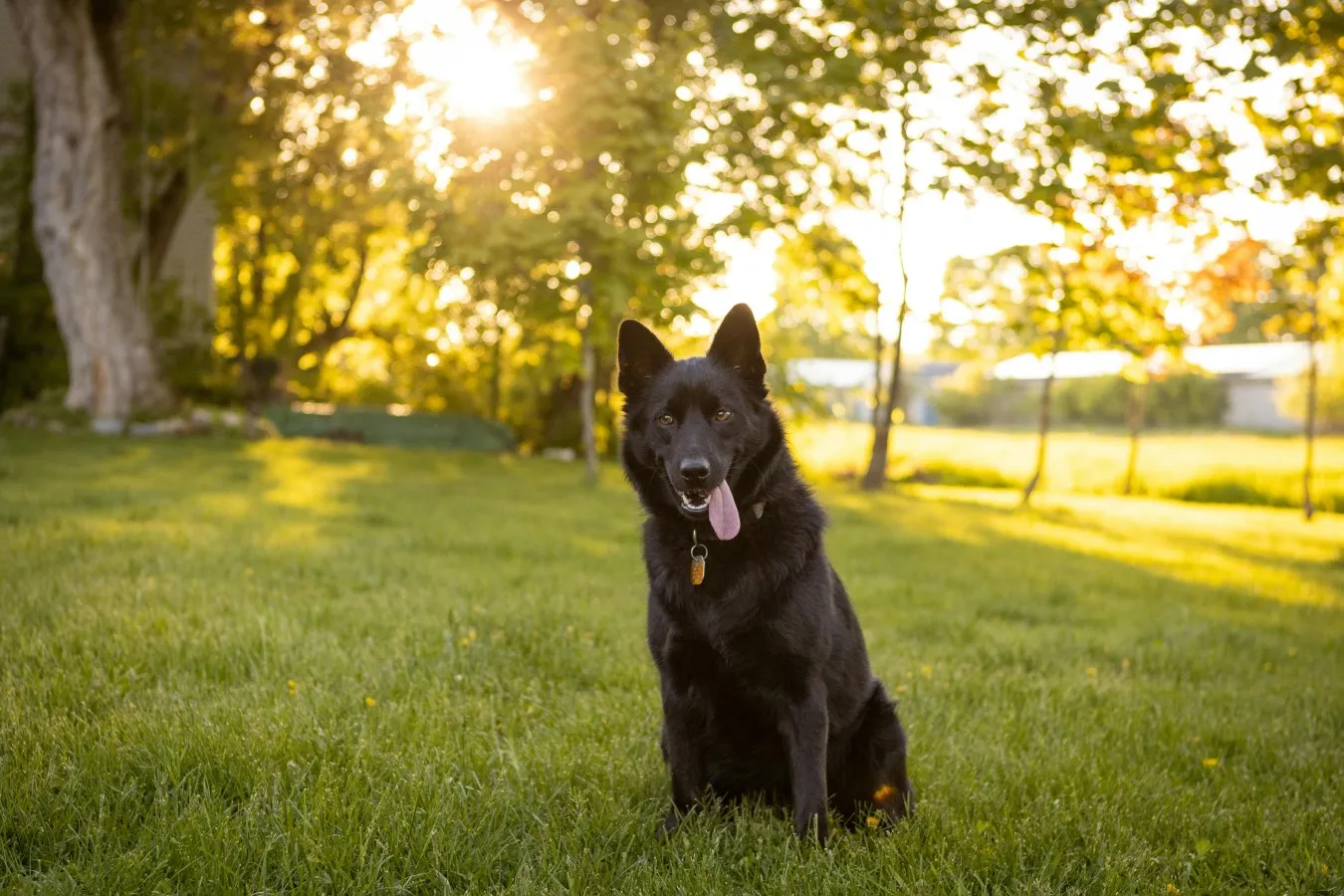
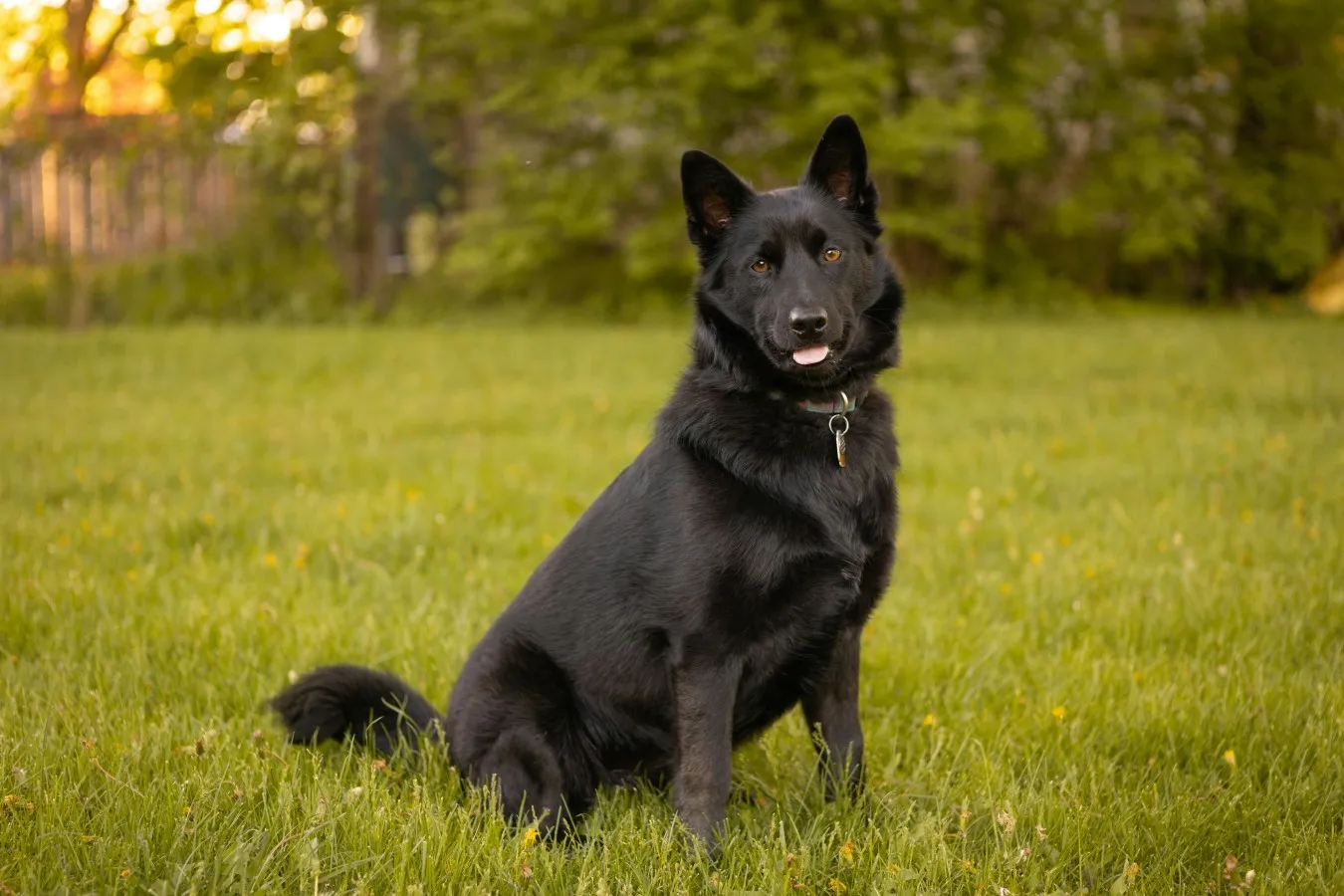
Meet the “Little Captain!” This bold, fox-like Belgian breed is smart, curious, and full of life—perfect for an active owner seeking a loyal companion.

BREED GROUP

Spitz Dogs

Country of origin

Belgium

BREED SIZE

Small

BREED HEIGHT

10 -

13 IN

25 -

33 cm

BREED WEIGHT

9 -

15 LB

4 -

7 KG

WHAT YOU NEED TO KNOW

The Schipperke, known as the Little Captain, is a small, high-energy Belgian breed with a distinctive fox-like face and a spirited personality. Highly intelligent but independent, these dogs require consistent training and early socialization to manage their stubborn streak. They are loyal companions that need regular grooming for their thick coat, and prospective owners should also review breed-specific health and costs before bringing one home.
american kennel club (AKC) recognition

Yes

Breed was recognized in 1904.

International Canine Federation (FCI) recognition

Yes

Breed was recognized in 1954.
WHAT DO OWNERS WANT TO KNOW?

Are Schipperkes good family dogs?

Good

7 out of 10

Schipperkes are loyal family companions that thrive when given a job to do and plenty of mental stimulation. While they are affectionate, they are generally better suited for families with older children due to their low tolerance for rough handling.

Good

7 out of 10

Schipperkes are generally great companions for children, known for being affectionate and playful. However, they are best suited for families with older children who can handle them gently, as they have a low tolerance for rough play. Supervision is always recommended during interactions to ensure a safe and positive experience for both the child and the dog.

Fair

7 out of 10

Schipperkes can be challenging for first-time owners due to their high energy, independence, and a stubborn streak that requires consistent, patient leadership. While highly intelligent, they often test boundaries and may be difficult to train for those without previous experience. Prospective owners must be prepared to provide significant mental stimulation and manage their vocal watchdog tendencies through early socialization.

Great

8 out of 10

Schipperkes adapt well to apartment living provided they receive sufficient physical exercise and mental stimulation. Their small size makes them suitable for compact spaces, though their vocal nature and tendency to bark frequently require consistent training and a set routine to manage. Owners must commit to daily walks and interactive play to prevent boredom-induced behaviors in an apartment setting.

Low

7 out of 10

A yard is not strictly required for a Schipperke, as they are highly adaptable and can thrive in apartments if their exercise and mental stimulation needs are met. While a securely fenced yard is a significant bonus for safe exploration and play, daily walks and interactive indoor activities are sufficient to keep this small, high-energy breed happy and healthy.

Fair

3 out of 10

Schipperkes are highly social and active companions that generally do not do well when left alone for long periods. Without human interaction or mental stimulation, they can quickly become bored and develop destructive behaviors such as excessive barking, chewing, or digging.

Average

5 out of 10

Schipperkes can coexist peacefully with cats, especially if they are raised together from a young age. However, their high prey drive and heritage as hunters mean they may be prone to chasing, so slow introductions and supervision are necessary to ensure a harmonious relationship.

Protective

3 out of 10

Schipperkes are not naturally aggressive but are highly alert and naturally wary of strangers, making them excellent watchdogs. While they are devoted to their families, their independent nature means they require early socialization and consistent training to ensure they remain well-behaved and do not become overly protective or snappy in new situations.

High

8 out of 10

Schipperkes are high-energy, active dogs that are full of life and curiosity. Known for being bold and tireless, they require regular physical exercise and plenty of mental stimulation to prevent destructive behaviors. They thrive when given a job to do and are best suited for owners who can provide them with an active lifestyle.

~45 min a day

6 out of 10

Schipperkes require approximately 45 to 60 minutes of daily exercise, including brisk walks, jogging, and interactive play sessions. Due to their high intelligence and curious nature, they also need significant mental stimulation through training and puzzle toys to prevent boredom and destructive behaviors. This spirited breed thrives when given a job to do and regular opportunities to burn off their high energy in a secure area.

Average

5 out of 10

Schipperkes have a moderate tolerance for hot weather but are susceptible to overheating due to their thick black double coats, which absorb heat quickly. Owners should provide constant access to shade and fresh water, and keep them in air-conditioned environments during peak temperatures. It is important to limit exercise to the cooler morning or evening hours and avoid hot pavement to protect their paw pads. Never shave their double coat, as it helps insulate them from the sun and regulate their body temperature.

Average

5 out of 10

Schipperkes have a moderate tolerance for hot weather but are susceptible to overheating due to their thick black double coats, which absorb heat quickly. Owners should provide constant access to shade and fresh water, and keep them in air-conditioned environments during peak temperatures. It is important to limit exercise to the cooler morning or evening hours and avoid hot pavement to protect their paw pads. Never shave their double coat, as it helps insulate them from the sun and regulate their body temperature.

Rarely Banned

8 out of 10

Schipperkes are rarely subject to breed bans due to their small size and manageable weight, making them generally accepted in most rental properties. While they are adaptable to apartment living, their tendency for alert barking may require consistent training to ensure they remain quiet neighbors. Always check with individual landlords regarding specific pet policies or weight restrictions.

WHAT DO OWNERS WANT TO KNOW?


Photo
Reviewed by
Dr. Vojtech Gabriel
DVM · PhD · MBA
Veterinarian Researcher Dog breed specialist
Verified

"Schipperkes are generally hardy and long-lived, but as a veterinarian, I focus on several hereditary concerns. A primary priority is screening for Mucopolysaccharidosis Type IIIB (MPS IIIB), a fatal genetic neurological disorder unique to this breed. I also closely monitor for orthopedic issues like patellar luxation and Legg-Calve-Perthes disease, as well as endocrine disorders like hypothyroidism. Because they are prone to various eye conditions, including progressive retinal atrophy (PRA) and cataracts, regular ophthalmic exams are essential. Given their small size, proactive dental care and weight management are critical to prevent periodontal disease and joint strain, ensuring they reach their full 12-16 year lifespan."
Other Spitz Dogs