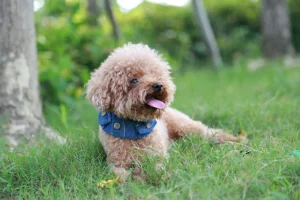
Tibetan Terrier
Breed Group
Companion Dogs
Country of Origin
China
Breed Size
Small
AKC Recognition
Yes, recognized in 1973
FCI Recognition
Yes, recognized in 1954
Family dog
Excellent5 / 10
Good with kids
Excellent9 / 10
First-time owner
Exceptional10 / 10
Apartment dog
Very Good7 / 10
Yard need
Average5 / 10
Can be left alone
Fair3 / 10
What Do Owners Want to Know?
Are Tibetan Terrier good family dogs?
Tibetan Terriers are excellent family dogs known for being loyal, sensitive, and devoted companions. They generally get along well with children and other pets, though they may be reserved around strangers. Their intelligent yet independent nature thrives in households that can provide close human companionship and daily exercise.
Family dog: 5 / 10
Are Tibetan Terrier good with kids?
Tibetan Terriers are generally excellent with children, known for being gentle, patient, and playful companions. While they are affectionate with kids of all ages, they are best suited for older children who understand how to respect their boundaries. Early socialization and supervision during play ensure they remain well-behaved and loving family pets.
Good with kids: 9 / 10
Are Tibetan Terrier good for first-time owners?
Tibetan Terriers are ideal for first-time owners due to their affectionate, loyal, and adaptable nature. While their intelligence and independent streak mean they require patient, positive reinforcement training, they are eager to please and quick learners. Prospective owners should be prepared for significant grooming commitments and the breed's need for consistent companionship to prevent separation anxiety.
First-time owner: 10 / 10
Are Tibetan Terrier good apartment dogs?
Tibetan Terriers are excellent apartment dogs due to their compact, medium size and adaptable nature. While they are relatively calm and inactive indoors, they require at least one hour of daily exercise and mental stimulation to stay happy. Owners should be aware of their tendency to bark at noises and their high susceptibility to separation anxiety, making them best suited for households where they aren't left alone for long periods.
Apartment dog: 7 / 10
Do Tibetan Terrier need a yard?
A yard is not strictly required for a Tibetan Terrier, as they are adaptable and can thrive in apartments. However, a securely fenced yard is highly recommended to provide a safe space for their bursts of energy and "zoomies." If a yard is not available, owners must commit to at least one hour of daily vigorous exercise through long walks or hikes to keep this athletic breed healthy.
Yard need: 5 / 10
Can Tibetan Terrier be left alone?
Tibetan Terriers are highly social and devoted to their families, making them prone to separation anxiety if left alone for long periods. They thrive in households where someone is frequently present and often struggle with isolation, which can lead to excessive barking or destructive behaviors. For periods of solitude, they do best when prepared with vigorous exercise, consistent crate training, and interactive toys to keep them occupied.
Can be left alone: 3 / 10
Are Tibetan Terrier good with cats?
They are highly compatible and generally coexist well with cats.
Good with cats: 4 / 10
Are Tibetan Terrier aggressive?
Tibetan Terriers are not naturally aggressive; they are known for their gentle, affectionate, and sweet-natured temperament. While they are devoted family companions, their history as monastery guardians makes them naturally reserved and cautious around strangers. Any potential for snappy behavior or territorial guarding of food and toys can be managed with early socialization and consistent, positive reinforcement training to ensure they remain well-behaved and confident pets.
Aggression tendency: 3 / 10
Are Tibetan Terrier high-energy dogs?
Tibetan Terriers have moderate to high energy levels and are known for being playful, bouncy, and athletic. They thrive on physical activity and mental stimulation, enjoying everything from long walks and snowy play to agility and dog sports. While they have energetic bursts and an adventurous spirit, they also have a sensitive side and love to settle down and snuggle with their families after a day of activity.
Energy level: 8 / 10
How much exercise does a Tibetan Terrier need?
Tibetan Terriers require approximately 60 minutes of daily exercise to stay physically and mentally healthy. This should include a combination of brisk walks, hiking, and interactive play. Because they are highly intelligent and agile, they also thrive on mental stimulation through activities like agility training, scent work, and puzzle toys to prevent boredom and destructive behaviors.
Exercise need: 6 / 10
Can Tibetan Terrier live in hot weather?
Tibetan Terriers have a moderate tolerance for hot weather, but their thick double coats make them susceptible to overheating. Owners should provide ample shade and fresh water, and limit strenuous exercise to the cooler morning or evening hours. It is important to keep their profuse coat well-groomed and avoid shaving it, as the fur provides natural insulation against the heat.
Hot weather tolerance: 4 / 10
Can Tibetan Terrier live in cold weather?
Tibetan Terriers are exceptionally well-suited for cold weather, as they were originally bred to withstand the harsh, snowy climate of the Himalayan Mountains. Their thick, protective double coat provides excellent insulation against freezing temperatures, while their unique, large, flat "snowshoe" feet offer superior traction on ice and snow. These dogs truly thrive in winter conditions and often enjoy frolicking outdoors even in extreme cold, though owners should still monitor them for signs of distress during prolonged exposure to sub-zero temperatures.
Cold weather tolerance: 10 / 10
Are Tibetan Terrier banned in apartments or rentals?
Tibetan Terriers are rarely subject to breed bans, as they are medium-sized, non-aggressive dogs known for their adaptable nature. Their size typically falls well within common apartment weight limits, and they are generally well-regarded as companions. However, since they have a tendency to bark at noises, potential owners should check specific landlord policies regarding noise or general pet requirements to ensure a smooth rental experience.
Rental restriction risk: 7 / 10
Vet Insights
Tibetan Terriers are a generally healthy and long-lived breed, but they have specific hereditary predispositions that require proactive management. As a veterinarian, I prioritize screening for orthopedic issues such as hip dysplasia and patellar luxation, which can lead to chronic lameness. This breed is also notably prone to several inherited eye conditions, including Progressive Retinal Atrophy (PRA), Primary Lens Luxation (PLL), and Canine Multifocal Retinopathy (CMR), making annual ophthalmologist evaluations essential to prevent vision loss. Neurological concerns like Neuronal Ceroid Lipofuscinosis (NCL) and certain heart conditions should also be monitored. To ensure a high quality of life, I recommend sourcing puppies from breeders who perform comprehensive genetic testing and maintaining a lean body weight to minimize joint stress and secondary health complications.