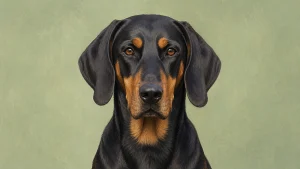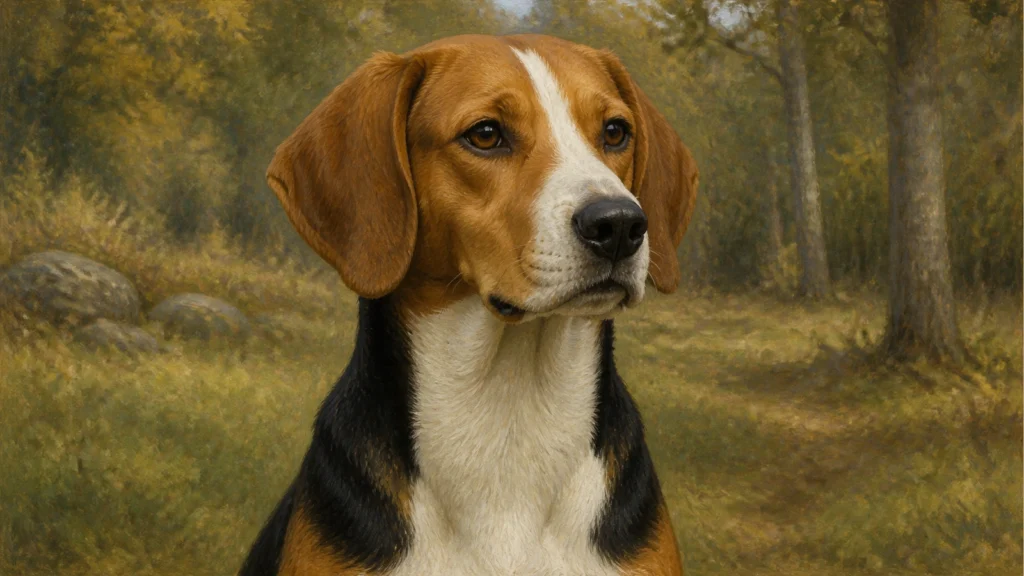
Hamiltonstovare Training Profile
Breed Group
Hound Dogs
Country of Origin
Sweden
Breed Size
Medium
AKC Recognition
No
FCI Recognition
Yes, recognized in 1955
Mental stimulation needs
Average Needs5 / 10
Trainability
7 / 10
Picky eater
Picky Eater3 / 10
Easy to train
Moderate6 / 10
Training stubbornness
Willing7 / 10
Puppy training
Above Average7 / 10
Training FAQ
Are Hamiltonstovare easy to train?
Hamiltonstovares are generally agreeable and intelligent, making them relatively easy to train. While they are eager to please, their independent hound heritage can lead to occasional stubbornness. They respond best to consistent, reward-based training and plenty of positive reinforcement to manage their strong prey drive.
Easy to train: 6 / 10
Are Hamiltonstovare stubborn to train?
Hamiltonstovares are loyal and friendly dogs, but their independent hound heritage can lead to occasional stubbornness. They are highly food-motivated, which helps overcome their independent streak, but they may still exhibit selective hearing if they pick up an interesting scent. Consistent, reward-based training and patience are essential to keep this determined breed engaged and cooperative.
Training stubbornness: 7 / 10
How do you train a Hamiltonstovare puppy?
Hamiltonstovares are generally agreeable and intelligent, making them relatively easy to train. While they are eager to please, their independent hound heritage can lead to occasional stubbornness. They respond best to consistent, reward-based training and plenty of positive reinforcement to manage their strong prey drive.
Puppy training: 7 / 10
How difficult is potty training in Hamiltonstovare?
Potty training a Hamiltonstovare typically takes 4 to 6 months. While they are intelligent and generally agreeable, their independent scent-hound heritage can lead to occasional stubbornness or distractions. Success relies on a consistent schedule and positive reinforcement to manage their natural instincts and ensure these determined hounds master housebreaking effectively.
Potty training difficulty: 6 / 10
How many walks does a Hamiltonstovare need?
Hamiltonstovares are high-energy scent hounds that require a minimum of two hours of exercise daily to stay physically and mentally fulfilled. This should include long, brisk walks, ideally with opportunities for off-lead running in secure areas, combined with scent work or games to satisfy their hunting instincts. Due to their stamina, they are excellent companions for active owners who enjoy hiking, jogging, or fell-running.
Walking need: 10 / 10
What is the best daily routine for a Hamiltonstovare?
A Hamiltonstovare's daily routine should focus on high physical activity and scent-based mental engagement. Provide at least two hours of exercise daily, including long walks, jogs, or hikes, ideally in the cooler morning and evening hours. Incorporate scent-based games, puzzle toys, or tracking work to satisfy their hunting instincts and prevent boredom. Feed adult Hamiltonstovares twice daily, monitoring portions to prevent obesity and bloat. Essential daily care includes a quick wipe down of their short coat, checking ears for infection, and short training sessions using positive reinforcement to manage their independent nature.
Routine need: 4 / 10
Vet Insights
Hamiltonstovares are intelligent, food-motivated scent hounds that are relatively easy to train but possess a stubborn, independent streak. They require at least two hours of daily exercise, including long walks and scent work, to prevent destructive behavior. Potty training typically takes four to six months. They thrive with active owners who provide consistent, reward-based training and socialization.