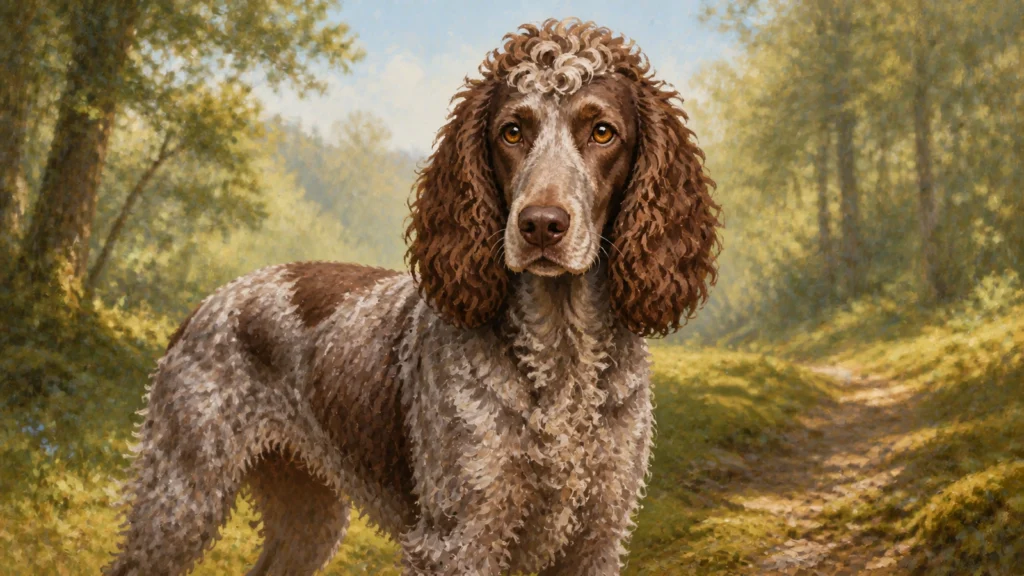
Spaniel de Pont-Audemer Grooming Profile
Breed Group
Sporting Dogs
Country of Origin
France
Breed Size
Medium
AKC Recognition
Foundation Stock Service (FSS), recognized in 1996
FCI Recognition
No
Allergy-friendly
"Less Friendly" or "Not Hypoallergenic" rather than "Worst Choice,"4 / 10
Shedding
Low Moderate7 / 10
Grooming need
15-30 mins/week7 / 10
Low-maintenance
Moderate7 / 10
Size
Medium5 / 10
Growth timeline
24-30 months6 / 10
Grooming FAQ
Are Spaniel de Pont-Audemer hypoallergenic or allergy-friendly?
Spaniel de Pont-Audemer are considered to have moderate allergy-friendly tendencies. They possess a curly/wavy coat that has moderate shedding. Their grooming needs are moderate.
Allergy-friendly: 4 / 10
Do Spaniel de Pont-Audemer shed?
Spaniels de Pont-Audemer are light to moderate shedders with dense, curly coats. While they lose less hair than many double-coated breeds, their unique texture requires regular brushing to manage loose strands and prevent matting. They are generally manageable for owners seeking a relatively low-shedding, active hunting companion.
Shedding: 7 / 10
How often should you groom a Spaniel de Pont-Audemer?
To maintain a Spaniel de Pont-Audemer’s curly coat, brush it at least once or twice a week to prevent mats and tangles. Their long ears require weekly cleaning to avoid infections, while regular nail trims and tooth brushing two to three times weekly ensure overall health and comfort.
Grooming need: 7 / 10
Are Spaniel de Pont-Audemer low-maintenance dogs?
A typical adult Spaniel de Pont-Audemer weighs between 44 and 60 pounds. Males generally range from 44 to 55 pounds, while females are slightly lighter at 33 to 48 pounds. As an active medium-sized gun dog, maintaining a healthy weight through quality nutrition is vital for their agility. The current text incorrectly lists weight and size information.
Low-maintenance: 7 / 10
How big do Spaniel de Pont-Audemer get?
A typical adult Spaniel de Pont-Audemer weighs between 44 and 60 pounds. Males generally range from 44 to 55 pounds, while females are slightly lighter at 33 to 48 pounds. As an active medium-sized gun dog, maintaining a healthy weight through quality nutrition is vital for their agility. The current text is a duplicate of the low-maintenance answer and should focus on height (20-23 inches) and weight (44-60 lbs) as the primary data points.
Size: 5 / 10
When do Spaniel de Pont-Audemer stop growing?
The current text incorrectly describes shedding levels.
Growth timeline: 6 / 10
How much should a Spaniel de Pont-Audemer eat?
Adult Spaniels de Pont-Audemer typically weigh 44 to 60 pounds and require high-quality dry food formulated for medium-to-large active breeds. To prevent life-threatening bloat, divide their daily portions into several smaller meals and avoid vigorous exercise immediately before or after feeding. Use measuring cups to maintain a healthy weight.
Feeding amount: 6 / 10
How often should a Spaniel de Pont-Audemer puppy eat?
Spaniel de Pont-Audemer puppies require frequent, small meals to support their growth and active nature. It is recommended to feed them three to four times daily until they reach six months of age. Consistent mealtimes help regulate their digestion and simplify the house-training process for new owners.
Puppy feeding frequency: 5 / 10
Vet Insights
Spaniels de Pont-Audemer are medium-sized, active gun dogs reaching physical maturity by 24 months. These curly-coated, low-shedding companions require weekly brushing and specialized diets of 2.5-3 cups to prevent bloat. Known as the "Little Clown of the Marshes," they are intelligent and gentle but demand significant daily exercise and consistent, reward-based training to thrive.