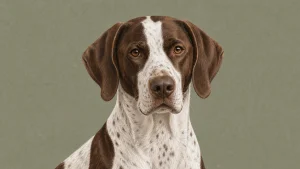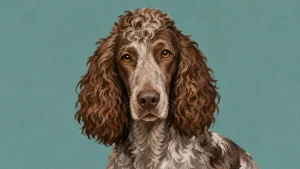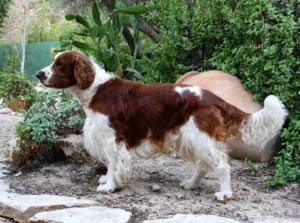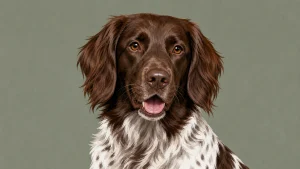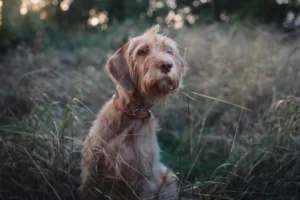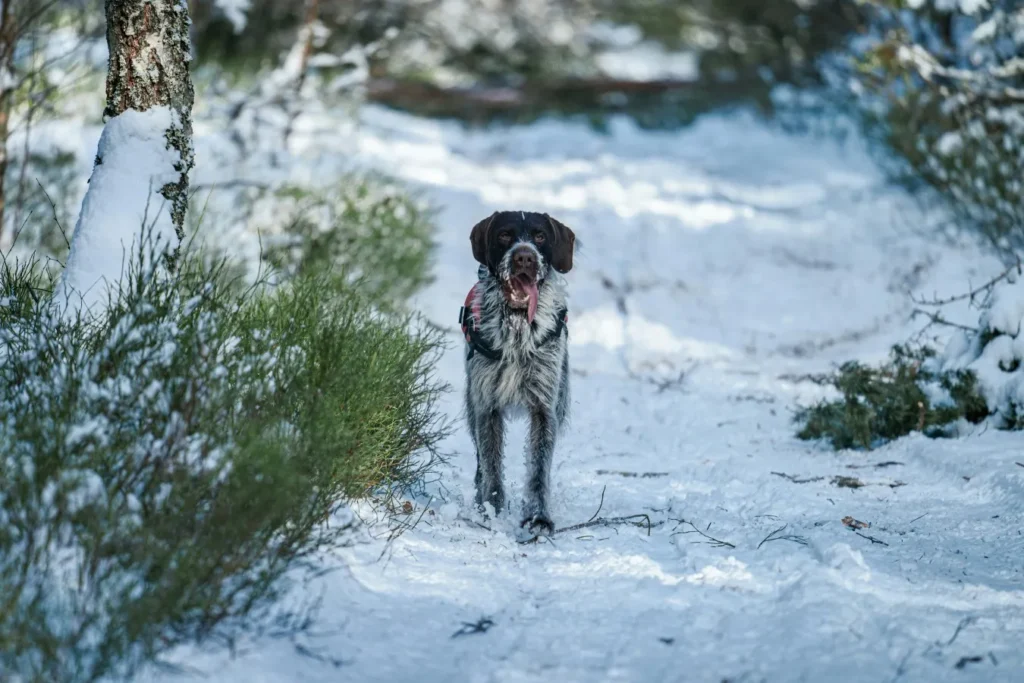
Wirehaired Pointing Griffon Grooming Profile
Breed Group
Sporting Dogs
Country of Origin
Netherlands / France
Breed Size
Medium
AKC Recognition
Yes, recognized in 1887
FCI Recognition
Yes, recognized in 1954
Allergy-friendly
Worst Choice or Poor9 / 10
Shedding
Low8 / 10
Grooming need
30 mins/week7 / 10
Low-maintenance
Hard3 / 10
Size
Medium6 / 10
Growth timeline
18-24 months5 / 10
Grooming FAQ
Are Wirehaired Pointing Griffon hypoallergenic or allergy-friendly?
Wirehaired Pointing Griffons are not considered hypoallergenic. While they possess a low-shedding, wiry double coat that traps some dander, they still produce allergens through their skin, saliva, and urine. They may be more tolerable for some, but sensitive owners should spend time with the breed before committing.
Allergy-friendly: 9 / 10
Do Wirehaired Pointing Griffon shed?
Wirehaired Pointing Griffons are low-to-moderate shedders with a dense, wiry double coat. While they lose less hair than many breeds, they still shed, especially during seasonal changes when the undercoat thins. Regular weekly brushing and occasional hand-stripping are essential to manage loose fur and maintain their coat's texture.
Shedding: 8 / 10
How often should you groom a Wirehaired Pointing Griffon?
To keep a Wirehaired Pointing Griffon healthy, brush their wiry double coat at least weekly to prevent mats and remove debris. Their beard and eyebrows require weekly combing to prevent matting and debris accumulation. Hand-stripping twice a year maintains coat texture, while routine ear cleaning is vital to prevent infections. Regular nail trims and dental care are also essential. The beard and eyebrows require weekly combing to prevent matting and debris accumulation.
Grooming need: 7 / 10
Are Wirehaired Pointing Griffon low-maintenance dogs?
Wirehaired Pointing Griffons are generally not considered low-maintenance. While their wiry coats are low-shedding and only need weekly brushing, they are high-energy athletes requiring at least an hour of vigorous daily exercise. Their need for constant human companionship and mental stimulation makes them demanding for busy owners.
Low-maintenance: 3 / 10
How big do Wirehaired Pointing Griffon get?
Wirehaired Pointing Griffons are medium-sized sporting dogs with a sturdy, athletic build. Adult males typically stand 22 to 24 inches tall and weigh 50 to 70 pounds, while females reach 20 to 22 inches and 35 to 50 pounds, making them robust yet manageable companions.
Size: 6 / 10
When do Wirehaired Pointing Griffon stop growing?
Wirehaired Pointing Griffons typically reach their full height between 9 and 12 months of age. While their skeletal growth plateaus, they continue to fill out and gain muscle mass until they are 16 to 24 months old. Their wiry adult coat fully develops by 18 months. While skeletal growth plateaus by 12 months, they continue to fill out until 24 months and the wiry adult coat fully develops by 18 months.
Growth timeline: 5 / 10
How much should a Wirehaired Pointing Griffon eat?
Adult Wirehaired Pointing Griffons typically require 2.5 to 3 cups of high-quality dry food daily, divided into two meals. As deep-chested dogs, they should be fed smaller, more frequent meals to decrease the risk of bloat. Monitor their weight closely to maintain their athletic build and adjust portions based on their activity level. Deep-chested dogs should be fed smaller, more frequent meals to decrease the risk of bloat.
Feeding amount: 6 / 10
How often should a Wirehaired Pointing Griffon puppy eat?
Wirehaired Pointing Griffon puppies require frequent meals to support their rapid growth and high energy. Feed them three to four times daily until they reach six months of age to maintain healthy blood-sugar levels, then transition to two meals per day. Puppies should be fed three to four times daily until six months of age to maintain healthy blood-sugar levels.
Puppy feeding frequency: 5 / 10
Vet Insights
Wirehaired Pointing Griffons are medium-sized, high-energy sporting dogs that reach full maturity by age two. They feature low-shedding, wiry coats requiring weekly brushing and biannual hand-stripping, needing significant daily exercise and a controlled diet of 2.5 to 3 cups to maintain health.